SOLDES
Jusqu'à -70% sur une sélection d'articles*

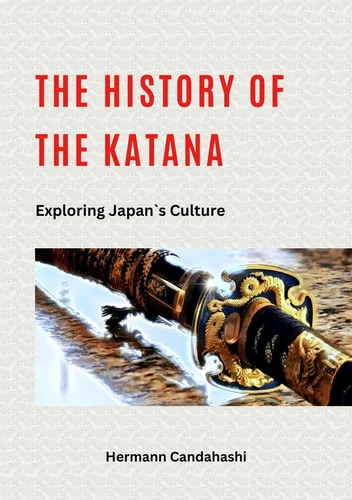
The History of the Katana - Exploring Japan's Culture
Par :Formats :
Disponible dans votre compte client Decitre ou Furet du Nord dès validation de votre commande. Le format ePub est :
- Compatible avec une lecture sur My Vivlio (smartphone, tablette, ordinateur)
- Compatible avec une lecture sur liseuses Vivlio
- Pour les liseuses autres que Vivlio, vous devez utiliser le logiciel Adobe Digital Edition. Non compatible avec la lecture sur les liseuses Kindle, Remarkable et Sony
 , qui est-ce ?
Notre partenaire de plateforme de lecture numérique où vous retrouverez l'ensemble de vos ebooks gratuitement
Pour en savoir plus sur nos ebooks, consultez notre aide en ligne ici
C'est si simple ! Lisez votre ebook avec l'app Vivlio sur votre tablette, mobile ou ordinateur :

- FormatePub
- ISBN8224371006
- EAN9798224371006
- Date de parution14/05/2024
- Protection num.pas de protection
- Infos supplémentairesepub
- ÉditeurDraft2Digital
Résumé
The katana, a symbol of Japanese culture and martial arts, is not merely a simple sword but a reflection of Japan's history, philosophy, and craftsmanship. In this book, we will delve into the fascinating world of the katana, explore its origins, trace its evolution over the centuries, and understand its significance for Japanese culture up to the present day. The history of the katana stretches far back into Japan's past, to a time when the sword was not just a tool of combat but also held spiritual significance.
The earliest ancestors of the katana can be traced back to the Heian period (794-1185), when Japanese warriors began to use swords resembling the katana's present form.for many japanese, the search for roots was a quest for identity and belonging. in a time of change and globalization, they sought a solid foundation on which to build their identity. by connecting with their cultural roots, they found a sense of connection and community.the search for roots also helped the japanese establish continuity with their history.
by engaging with the traditions and customs of their ancestors, they recognized the importance of the past for the present and the future. this helped preserve a sense of continuity and stability in a rapidly changing world.
The earliest ancestors of the katana can be traced back to the Heian period (794-1185), when Japanese warriors began to use swords resembling the katana's present form.for many japanese, the search for roots was a quest for identity and belonging. in a time of change and globalization, they sought a solid foundation on which to build their identity. by connecting with their cultural roots, they found a sense of connection and community.the search for roots also helped the japanese establish continuity with their history.
by engaging with the traditions and customs of their ancestors, they recognized the importance of the past for the present and the future. this helped preserve a sense of continuity and stability in a rapidly changing world.