SOLDES
Jusqu'à -70% sur une sélection d'articles*

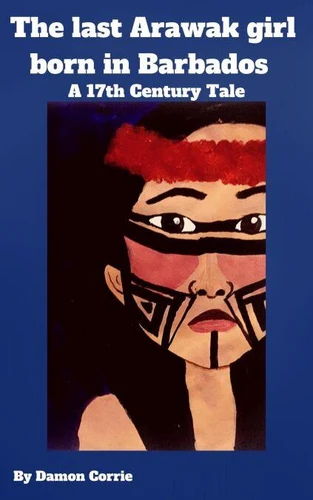
The Last Arawak girl born in Barbados - A 17th Century Tale
Par :Formats :
Disponible dans votre compte client Decitre ou Furet du Nord dès validation de votre commande. Le format ePub est :
- Compatible avec une lecture sur My Vivlio (smartphone, tablette, ordinateur)
- Compatible avec une lecture sur liseuses Vivlio
- Pour les liseuses autres que Vivlio, vous devez utiliser le logiciel Adobe Digital Edition. Non compatible avec la lecture sur les liseuses Kindle, Remarkable et Sony
 , qui est-ce ?
Notre partenaire de plateforme de lecture numérique où vous retrouverez l'ensemble de vos ebooks gratuitement
Pour en savoir plus sur nos ebooks, consultez notre aide en ligne ici
C'est si simple ! Lisez votre ebook avec l'app Vivlio sur votre tablette, mobile ou ordinateur :

- FormatePub
- ISBN978-1-393-35989-0
- EAN9781393359890
- Date de parution07/04/2021
- Protection num.pas de protection
- Infos supplémentairesepub
- ÉditeurRelay Publishing
Résumé
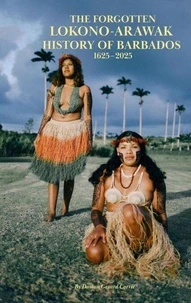
This short book for older children (with much information adults will also find interesting) - can be described as the most fact-filled work of fiction - about the hotly disputed Lokono-Arawak presence/non-presence in Barbados at the time of the English colonization of 1627. On the one hand, are the old school die hard academics for whom the writings of the English colonists are taken as if they are veritable 'Gospel truths' - and woe upon anyone who does NOT have degrees to his/her name who dares to challenge their long held beliefs. However, the first English colonists of the continent of Australia also recorded that 'no other people inhabited the land when they arrived'.a statement we ALL know to be a blatant lie. What Damon Corrie, himself arguably the most controversial - and best known voice of the Lokono-Arawak people to ever come out of the modern Caribbean, is simply stating by producing this work.is that we should all remain open-minded to the very real possibility, that a small remnant surviving group of indigenous Lokono-Arawaks (with no hint or claim of any direct connection to his own Guyana Lokono-Arawak ancestry) COULD have been extant on the east coast of Barbados, at the time the English colonists landed on the West Coast of Barbados, as for the first few decades of colonization - no English ship ever docked on the rugged and reef 'infested' East Coast of Barbados, it is an area that still has some of the original forest that once covered the entire island, and to this day still has many year-round freshwater sources - and wild food to eat (land crabs, freshwater crabs, doves, fruit pigeons, crayfish, and numerous fruit trees) brought here by the Amerindians, and there were even more food sources in the 17th century, certainly enough to easily support a remnant surviving population of even 100 Amerindians in the rugged Scotland District of East Coast Barbados.