SOLDES
Jusqu'à -70% sur une sélection d'articles*

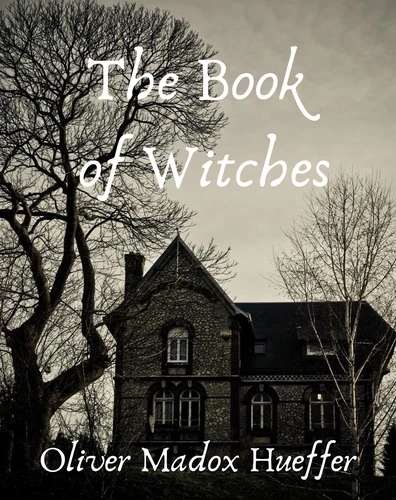
The book of witches
Par :Formats :
Disponible dans votre compte client Decitre ou Furet du Nord dès validation de votre commande. Le format ePub est :
- Compatible avec une lecture sur My Vivlio (smartphone, tablette, ordinateur)
- Compatible avec une lecture sur liseuses Vivlio
- Pour les liseuses autres que Vivlio, vous devez utiliser le logiciel Adobe Digital Edition. Non compatible avec la lecture sur les liseuses Kindle, Remarkable et Sony
 , qui est-ce ?
Notre partenaire de plateforme de lecture numérique où vous retrouverez l'ensemble de vos ebooks gratuitement
Pour en savoir plus sur nos ebooks, consultez notre aide en ligne ici
C'est si simple ! Lisez votre ebook avec l'app Vivlio sur votre tablette, mobile ou ordinateur :

- Nombre de pages300
- FormatePub
- ISBN978-3-7562-3026-6
- EAN9783756230266
- Date de parution21/06/2022
- Protection num.Digital Watermarking
- Taille799 Ko
- Infos supplémentairesepub
- ÉditeurBooks on Demand
Résumé
Such zealous sixteenth and seventeenth century dogmatists as King James I., the Inquisitor Sprenger, Jean Bodin, or Pierre de Lancre might have found it difficult to put forward satisfactory proof for the cause in which they were briefed had it not been for the fortunate existence of one quite unimpeachable witness-the direct command in the book of Exodus, "Thou shalt not suffer a witch to live." Probably no other sentence ever penned has been so destructive to human life or so provocative of human misery; certainly it has provided Saladin with the excuse for his bitter indictment of Christianity as being -par excellence-, as based upon the Old Testament, the religion of witchcraft.
To which he adds that Christianity, now grown ashamed of its former belief, seeks to explain it away by the suggestion that the Hebrew word "chasaph" should be translated, not as "witch, " but as "poisoner." It is, of course, as true as it was natural that Christian writers on witchcraft seized eagerly upon definite Biblical authority for the sin they were condemning. Origen, who protests against literal interpretation of the Bible, is inclined to ascribe Biblical witchcraft altogether to the Devil, basing his theory upon the tribulations of Job.
But St. Augustine needs no more definite proof for this variety of sin than the Bible denunciation, while Luther and Calvin, in a later age, are equally definite. At the same time, it is to be remembered that the cult of witchcraft would certainly have existed had there been no mention of it in the Bible at all. It is as universal, as ubiquitous, and as enduring as the religious instinct itself; Christianity did not invent the witch, it did but improve upon her.
To which he adds that Christianity, now grown ashamed of its former belief, seeks to explain it away by the suggestion that the Hebrew word "chasaph" should be translated, not as "witch, " but as "poisoner." It is, of course, as true as it was natural that Christian writers on witchcraft seized eagerly upon definite Biblical authority for the sin they were condemning. Origen, who protests against literal interpretation of the Bible, is inclined to ascribe Biblical witchcraft altogether to the Devil, basing his theory upon the tribulations of Job.
But St. Augustine needs no more definite proof for this variety of sin than the Bible denunciation, while Luther and Calvin, in a later age, are equally definite. At the same time, it is to be remembered that the cult of witchcraft would certainly have existed had there been no mention of it in the Bible at all. It is as universal, as ubiquitous, and as enduring as the religious instinct itself; Christianity did not invent the witch, it did but improve upon her.