SOLDES
Jusqu'à -70% sur une sélection d'articles*

Nouveauté
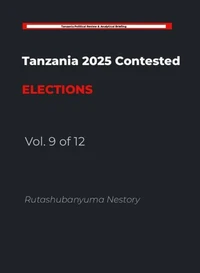
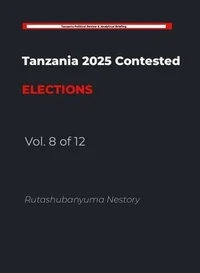
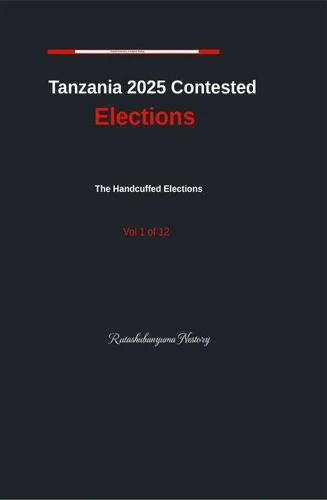
Tanzania 2025 Contested Elections - Volume 1. Tanzania 2025 Contested Elections, #1
Par :Formats :
Disponible dans votre compte client Decitre ou Furet du Nord dès validation de votre commande. Le format ePub est :
- Compatible avec une lecture sur My Vivlio (smartphone, tablette, ordinateur)
- Compatible avec une lecture sur liseuses Vivlio
- Pour les liseuses autres que Vivlio, vous devez utiliser le logiciel Adobe Digital Edition. Non compatible avec la lecture sur les liseuses Kindle, Remarkable et Sony
 , qui est-ce ?
Notre partenaire de plateforme de lecture numérique où vous retrouverez l'ensemble de vos ebooks gratuitement
Pour en savoir plus sur nos ebooks, consultez notre aide en ligne ici
C'est si simple ! Lisez votre ebook avec l'app Vivlio sur votre tablette, mobile ou ordinateur :

- FormatePub
- ISBN8235767843
- EAN9798235767843
- Date de parution23/05/2026
- Protection num.pas de protection
- Infos supplémentairesepub
- ÉditeurIoakim Ioakim
Résumé
This book offers a comprehensive political and institutional analysis of Tanzania's 2025 electoral cycle, examining the intersection of party nomination processes, electoral administration, legal contestation, and campaign rhetoric. Drawing on a series of case studies-including CCM's parliamentary nominations, opposition fragmentation, candidate disqualifications and reinstatements by the Independent National Electoral Commission (INEC), constituency-level electoral objections, and public disputes involving legal and security institutions-the work traces how formal democratic procedures interact with informal power dynamics in shaping electoral outcomes. At the center of the analysis is the tension between procedural transparency and substantive accountability.
While electoral institutions such as INEC increasingly publish structured outcomes-candidate lists, appeal decisions, and reinstatements-the absence of detailed reasoning behind decisions creates a persistent "reason gap, " limiting public understanding and enabling competing narratives of bias or legitimacy. Comparative insights from Nigeria's 2023 electoral opacity and Kenya's 2022 verification-based transparency framework further situate Tanzania within a regional continuum of electoral governance models.
While electoral institutions such as INEC increasingly publish structured outcomes-candidate lists, appeal decisions, and reinstatements-the absence of detailed reasoning behind decisions creates a persistent "reason gap, " limiting public understanding and enabling competing narratives of bias or legitimacy. Comparative insights from Nigeria's 2023 electoral opacity and Kenya's 2022 verification-based transparency framework further situate Tanzania within a regional continuum of electoral governance models.