SOLDES
Jusqu'à -70% sur une sélection d'articles*

Nouveauté
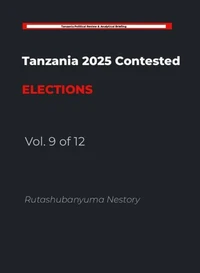
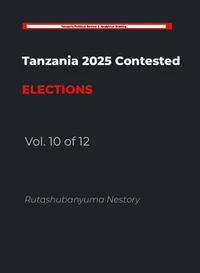
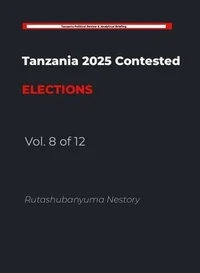
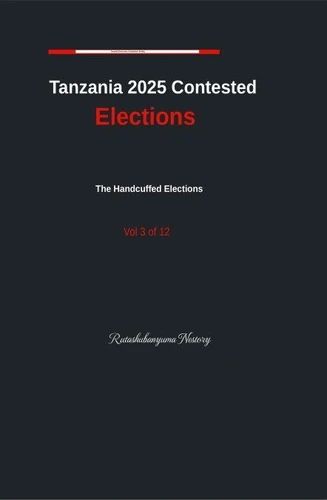
Tanzania 2025 Contested Elections The Handcuffed Elections Vol. 3. Tanzania 2025 Contested Elections, #3
Par :Formats :
Disponible dans votre compte client Decitre ou Furet du Nord dès validation de votre commande. Le format ePub est :
- Compatible avec une lecture sur My Vivlio (smartphone, tablette, ordinateur)
- Compatible avec une lecture sur liseuses Vivlio
- Pour les liseuses autres que Vivlio, vous devez utiliser le logiciel Adobe Digital Edition. Non compatible avec la lecture sur les liseuses Kindle, Remarkable et Sony
 , qui est-ce ?
Notre partenaire de plateforme de lecture numérique où vous retrouverez l'ensemble de vos ebooks gratuitement
Pour en savoir plus sur nos ebooks, consultez notre aide en ligne ici
C'est si simple ! Lisez votre ebook avec l'app Vivlio sur votre tablette, mobile ou ordinateur :

- FormatePub
- ISBN8235730922
- EAN9798235730922
- Date de parution28/05/2026
- Protection num.pas de protection
- Infos supplémentairesepub
- ÉditeurIoakim Ioakim
Résumé
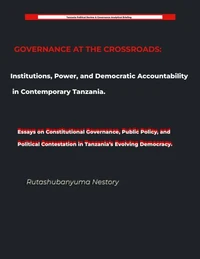
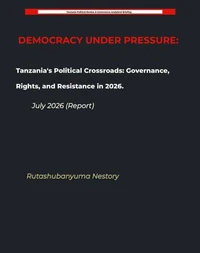
This book presents a comprehensive analysis of Tanzania's 2025 election cycle, examining the intersecting crises of democratic backsliding, electoral governance failure, resource corruption, digital repression, institutional bias, and political violence. Drawing upon legal documents, court rulings, administrative directives, regulatory decisions, investigative reporting, eyewitness accounts, and comparative political analysis, the volume documents thirty-five interconnected episodes shaping Tanzania's contemporary political trajectory.
The study investigates the selective disqualification of opposition candidates such as Luhaga Mpina; the arbitrary detention of CHADEMA members; the use of anonymous witnesses in the treason proceedings involving Tundu Lissu; the suspension of JamiiForums; the abduction of Elisha Juma; the suspicious death of opposition-linked musician George Mwingira; the Acacia Mining bribery scandal; and allegations surrounding the Ngaka coal mine acquisition involving former CCM Treasurer Rostam Aziz.
The book argues that Tanzania is experiencing a distinctive form of democratic erosion characterized less by overt authoritarian rupture than by the procedural weaponization of legality. Internal party disputes evolve into state-administered disqualifications. Administrative bodies exercise quasi-judicial powers without sufficient judicial safeguards. Voters are legally treated as "strangers" lacking standing to challenge candidate eligibility.
Digital platforms are suspended under vague standards such as content deemed "harmful to national cohesion, " enabling broad discretionary enforcement. Comparative analysis with Turkey demonstrates how geopolitical utility can shield governments from sustained international accountability despite mounting democratic concerns. The volume also evaluates structural opportunities and constraints within Tanzania's political economy, including natural gas development, demographic transformation, fiscal limitations, and institutional fragmentation.
The book concludes with a series of reform proposals: independent appointment mechanisms for electoral commissioners, judicial review of regulatory disqualifications, voter standing in nomination disputes, mandatory disclosure of mining transaction values, exhaustion of internal party remedies before Registrar intervention, stronger protections for journalists and artists, and enhanced international monitoring of political violence and democratic governance.
The study investigates the selective disqualification of opposition candidates such as Luhaga Mpina; the arbitrary detention of CHADEMA members; the use of anonymous witnesses in the treason proceedings involving Tundu Lissu; the suspension of JamiiForums; the abduction of Elisha Juma; the suspicious death of opposition-linked musician George Mwingira; the Acacia Mining bribery scandal; and allegations surrounding the Ngaka coal mine acquisition involving former CCM Treasurer Rostam Aziz.
The book argues that Tanzania is experiencing a distinctive form of democratic erosion characterized less by overt authoritarian rupture than by the procedural weaponization of legality. Internal party disputes evolve into state-administered disqualifications. Administrative bodies exercise quasi-judicial powers without sufficient judicial safeguards. Voters are legally treated as "strangers" lacking standing to challenge candidate eligibility.
Digital platforms are suspended under vague standards such as content deemed "harmful to national cohesion, " enabling broad discretionary enforcement. Comparative analysis with Turkey demonstrates how geopolitical utility can shield governments from sustained international accountability despite mounting democratic concerns. The volume also evaluates structural opportunities and constraints within Tanzania's political economy, including natural gas development, demographic transformation, fiscal limitations, and institutional fragmentation.
The book concludes with a series of reform proposals: independent appointment mechanisms for electoral commissioners, judicial review of regulatory disqualifications, voter standing in nomination disputes, mandatory disclosure of mining transaction values, exhaustion of internal party remedies before Registrar intervention, stronger protections for journalists and artists, and enhanced international monitoring of political violence and democratic governance.