SOLDES
Jusqu'à -70% sur une sélection d'articles*

Nouveauté
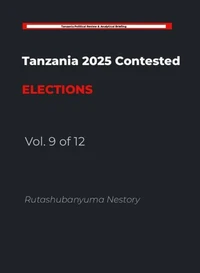
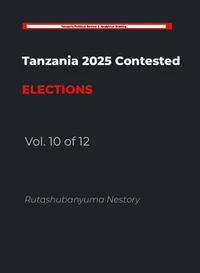
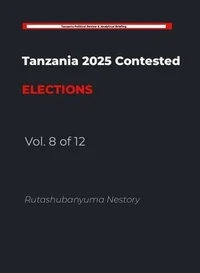
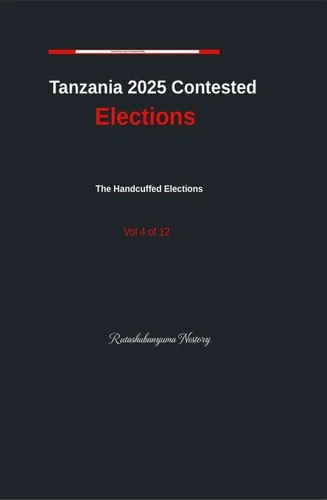
Tanzania Contested Elections Vol. 4. Tanzania 2025 Contested Elections, #4
Par :Formats :
Disponible dans votre compte client Decitre ou Furet du Nord dès validation de votre commande. Le format ePub est :
- Compatible avec une lecture sur My Vivlio (smartphone, tablette, ordinateur)
- Compatible avec une lecture sur liseuses Vivlio
- Pour les liseuses autres que Vivlio, vous devez utiliser le logiciel Adobe Digital Edition. Non compatible avec la lecture sur les liseuses Kindle, Remarkable et Sony
 , qui est-ce ?
Notre partenaire de plateforme de lecture numérique où vous retrouverez l'ensemble de vos ebooks gratuitement
Pour en savoir plus sur nos ebooks, consultez notre aide en ligne ici
C'est si simple ! Lisez votre ebook avec l'app Vivlio sur votre tablette, mobile ou ordinateur :

- FormatePub
- ISBN8235968493
- EAN9798235968493
- Date de parution28/05/2026
- Protection num.pas de protection
- Infos supplémentairesepub
- ÉditeurIoakim Ioakim
Résumé
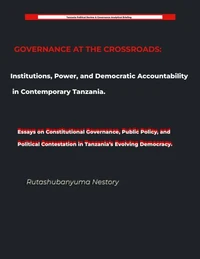
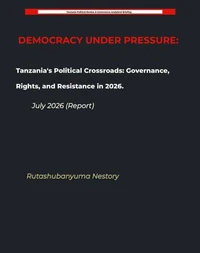
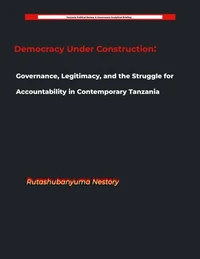
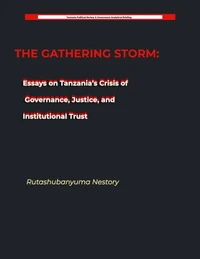
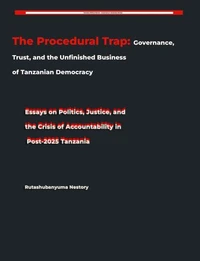
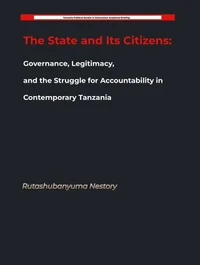
Tanzania at the Crossroads: Essays on Democracy, Justice, and Electoral PoliticsThis compilation presents twenty-nine analytical essays examining the legal, institutional, and political dynamics shaping Tanzania's 2025 electoral cycle. The chapters are organised around three interrelated themes:1. Judicial independence and fair trial rights The volume analyses the treason prosecution of opposition leader Tundu Lissu, focusing on procedural disputes over witness listing, anonymous testimony, media restrictions, evidentiary integrity, and allegations of record manipulation.
These raise broader questions about the balance between state security claims and constitutional fair trial guarantees.2. Electoral governance and opposition exclusion A second strand examines the regulation of political competition through nomination procedures, party registration rules, and electoral commission decisions in both mainland Tanzania and Zanzibar. It highlights disputes over candidate eligibility, sponsorship verification, institutional discretion, and the uneven application of electoral rules.3.
Civil society, religion, and political memory The final strand explores non-state responses to political constraint, including religious critiques of governance, arrests of journalists under cybercrime legislation, the exile of clergy, and opposition-led commemorative politics as a form of resistance under exclusion. Across these themes, the chapters identify recurring structural patterns: the use of procedural mechanisms to constrain political competition, the gap between judicial remedies and administrative practice, the erosion of media freedom through vague statutory enforcement, and the shrinking space for independent civic authority.
The compilation concludes that while Tanzania's 2025 elections largely complied with formal legal procedures, they occurred within a structurally constrained environment that limited genuine political competition, raising fundamental questions about democratic legitimacy in dominant-party systems.
These raise broader questions about the balance between state security claims and constitutional fair trial guarantees.2. Electoral governance and opposition exclusion A second strand examines the regulation of political competition through nomination procedures, party registration rules, and electoral commission decisions in both mainland Tanzania and Zanzibar. It highlights disputes over candidate eligibility, sponsorship verification, institutional discretion, and the uneven application of electoral rules.3.
Civil society, religion, and political memory The final strand explores non-state responses to political constraint, including religious critiques of governance, arrests of journalists under cybercrime legislation, the exile of clergy, and opposition-led commemorative politics as a form of resistance under exclusion. Across these themes, the chapters identify recurring structural patterns: the use of procedural mechanisms to constrain political competition, the gap between judicial remedies and administrative practice, the erosion of media freedom through vague statutory enforcement, and the shrinking space for independent civic authority.
The compilation concludes that while Tanzania's 2025 elections largely complied with formal legal procedures, they occurred within a structurally constrained environment that limited genuine political competition, raising fundamental questions about democratic legitimacy in dominant-party systems.