SOLDES
Jusqu'à -70% sur une sélection d'articles*

Nouveauté
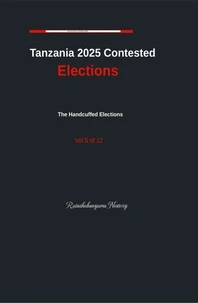
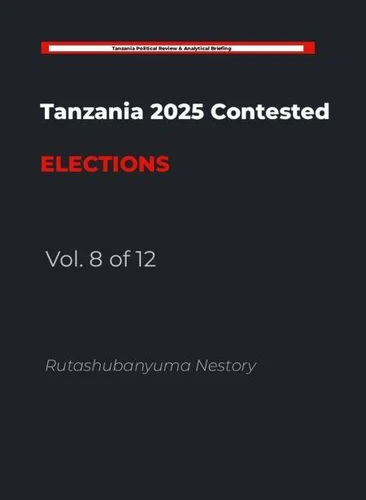
Tanzania 2025 Contested Elections: The Handcuffed Election: Volume 8. Tanzania 2025 Contested Elections, #8
Par :Formats :
Disponible dans votre compte client Decitre ou Furet du Nord dès validation de votre commande. Le format ePub est :
- Compatible avec une lecture sur My Vivlio (smartphone, tablette, ordinateur)
- Compatible avec une lecture sur liseuses Vivlio
- Pour les liseuses autres que Vivlio, vous devez utiliser le logiciel Adobe Digital Edition. Non compatible avec la lecture sur les liseuses Kindle, Remarkable et Sony
 , qui est-ce ?
Notre partenaire de plateforme de lecture numérique où vous retrouverez l'ensemble de vos ebooks gratuitement
Pour en savoir plus sur nos ebooks, consultez notre aide en ligne ici
C'est si simple ! Lisez votre ebook avec l'app Vivlio sur votre tablette, mobile ou ordinateur :

- FormatePub
- ISBN8235857698
- EAN9798235857698
- Date de parution08/06/2026
- Protection num.pas de protection
- Infos supplémentairesepub
- ÉditeurIoakim Ioakim
Résumé
Tanzania 2025 Contested Elections: The Handcuffed Election - Volume 8Was Tanzania's 2025 General Election a democratic exercise, a managed political process, or something in between?Drawing on court proceedings, electoral disputes, constitutional reform debates, civil society reports, media accounts, and public political discourse, this volume examines one of the most debated election cycles in Tanzania's recent history.
Across thirty analytical chapters, the book explores constitutional reform, electoral administration, political defections, judicial interventions, opposition-party restrictions, civic activism, infrastructure politics, religious institutions, accountability debates, and the competing narratives that shaped public understanding of the election. Rather than offering a single verdict, the book investigates the tensions between development and democracy, stability and participation, law and politics, institutional continuity and public trust.
It argues that the significance of the 2025 election lies not only in its results but also in the broader questions it raises about governance, representation, and democratic legitimacy. A timely contribution to the study of Tanzanian politics, African governance, and contemporary electoral systems, this volume provides scholars, policymakers, students, journalists, and citizens with a detailed examination of a pivotal moment in Tanzania's political history.
When democratic institutions remain in place but their meaning becomes contested, understanding the process becomes as important as understanding the outcome.
Across thirty analytical chapters, the book explores constitutional reform, electoral administration, political defections, judicial interventions, opposition-party restrictions, civic activism, infrastructure politics, religious institutions, accountability debates, and the competing narratives that shaped public understanding of the election. Rather than offering a single verdict, the book investigates the tensions between development and democracy, stability and participation, law and politics, institutional continuity and public trust.
It argues that the significance of the 2025 election lies not only in its results but also in the broader questions it raises about governance, representation, and democratic legitimacy. A timely contribution to the study of Tanzanian politics, African governance, and contemporary electoral systems, this volume provides scholars, policymakers, students, journalists, and citizens with a detailed examination of a pivotal moment in Tanzania's political history.
When democratic institutions remain in place but their meaning becomes contested, understanding the process becomes as important as understanding the outcome.