SOLDES
Jusqu'à -70% sur une sélection d'articles*

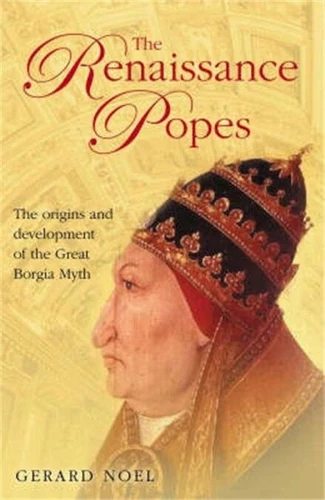
The Renaissance Popes: Culture, Power, and the Making of the Borgia Myth
Par :Formats :
Disponible dans votre compte client Decitre ou Furet du Nord dès validation de votre commande. Le format ePub protégé est :
- Compatible avec une lecture sur My Vivlio (smartphone, tablette, ordinateur)
- Compatible avec une lecture sur liseuses Vivlio
- Pour les liseuses autres que Vivlio, vous devez utiliser le logiciel Adobe Digital Edition. Non compatible avec la lecture sur les liseuses Kindle, Remarkable et Sony
- Non compatible avec un achat hors France métropolitaine
 , qui est-ce ?
Notre partenaire de plateforme de lecture numérique où vous retrouverez l'ensemble de vos ebooks gratuitement
Pour en savoir plus sur nos ebooks, consultez notre aide en ligne ici
C'est si simple ! Lisez votre ebook avec l'app Vivlio sur votre tablette, mobile ou ordinateur :

- Nombre de pages429
- FormatePub
- ISBN978-1-4721-2507-1
- EAN9781472125071
- Date de parution27/04/2016
- Protection num.Adobe DRM
- Infos supplémentairesepub
- ÉditeurConstable
Résumé
Between the years of 1447 (Nicholas V) and 1572 (Pius V) Rome was transformed from a ruined Medieval city. The Vatican became the official home of the church and the worlds largest bureaucracy, a spectacular new Basilica of St Peters took 100 years to build and Michelangelo changed the course of art history with his Sistine Chapel. So vast and expensive was this cultural explosion that a new fundraising initiative was launched: the sale of indulgences.
The Renaissance Popes were statesmen, warriors, patrons of the arts as well as churchmen. These were earthly times and the reputations of popes like Alexander VI, the infamous Borgia patriarch, and Julius 'Il Terrible' II for murder, poison, sodomy and simony vary only in degree. Meanwhile, the sin of heresy, which threatens the very core of the Catholic soul, was tirelessly targeted by two other lasting innovations of the period: the Inquisition and witch-hunts.
Alexander VI, father of the ruthless Cesare and jezebel Lucrezia, is seen to this day as the embodiment of this iniquity. But Gerard Noel shows this is unjust, and based on false confessions and historical myth. What's more, Alexander created the blueprint for reform -- the first of its kind -- that would eventually lead to the Counter-Reformation. In his survey of the colourful reigns of the seventeen Renaissance Popes and his examination of the great Borgia myth Noel brings to light the true legacy -- political, artistic, religious -- of an extraordinary time.
The Renaissance Popes were statesmen, warriors, patrons of the arts as well as churchmen. These were earthly times and the reputations of popes like Alexander VI, the infamous Borgia patriarch, and Julius 'Il Terrible' II for murder, poison, sodomy and simony vary only in degree. Meanwhile, the sin of heresy, which threatens the very core of the Catholic soul, was tirelessly targeted by two other lasting innovations of the period: the Inquisition and witch-hunts.
Alexander VI, father of the ruthless Cesare and jezebel Lucrezia, is seen to this day as the embodiment of this iniquity. But Gerard Noel shows this is unjust, and based on false confessions and historical myth. What's more, Alexander created the blueprint for reform -- the first of its kind -- that would eventually lead to the Counter-Reformation. In his survey of the colourful reigns of the seventeen Renaissance Popes and his examination of the great Borgia myth Noel brings to light the true legacy -- political, artistic, religious -- of an extraordinary time.