SOLDES
Jusqu'à -70% sur une sélection d'articles*

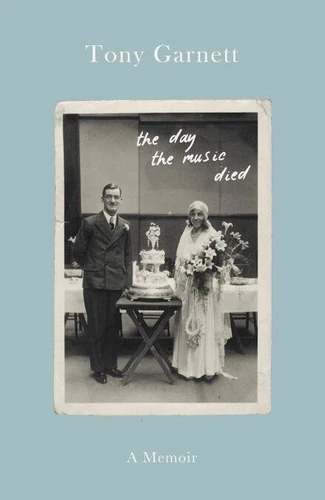
The Day the Music Died. A Life Lived Behind the Lens
Par :Formats :
Disponible dans votre compte client Decitre ou Furet du Nord dès validation de votre commande. Le format ePub protégé est :
- Compatible avec une lecture sur My Vivlio (smartphone, tablette, ordinateur)
- Compatible avec une lecture sur liseuses Vivlio
- Pour les liseuses autres que Vivlio, vous devez utiliser le logiciel Adobe Digital Edition. Non compatible avec la lecture sur les liseuses Kindle, Remarkable et Sony
- Non compatible avec un achat hors France métropolitaine
 , qui est-ce ?
Notre partenaire de plateforme de lecture numérique où vous retrouverez l'ensemble de vos ebooks gratuitement
Pour en savoir plus sur nos ebooks, consultez notre aide en ligne ici
C'est si simple ! Lisez votre ebook avec l'app Vivlio sur votre tablette, mobile ou ordinateur :

- Nombre de pages320
- FormatePub
- ISBN978-1-4721-2272-8
- EAN9781472122728
- Date de parution29/06/2016
- Protection num.Adobe DRM
- Infos supplémentairesepub
- ÉditeurConstable
Résumé
'An extraordinary book by an extraordinary man' Ken LoachTony Garnett's story begins in working-class, war-torn Birmingham where he movingly describes the trauma of his mother's death following a back-street abortion. Nineteen days later, stricken with grief, Tony's father committed suicide and Tony was sent to live with other family members. He eventually moved to London and was part of the counterculture scene in the 1960s.
Tony takes us behind the scenes of a selection of his more famous productions, offering secrets and anecdotes, some moving, some amusing. He gives accounts of angry clashes with the BBC and movie executives as he battles to make films that are thought too controversial. Year after year he fought the BBC and movie bosses to bring to the public films about police corruption and psychiatrists' cruelty; films advocating abortion law reform and the abolition of the death penalty; films about the homeless and the waste of young people in poor schools.
Tony takes us behind the scenes of a selection of his more famous productions, offering secrets and anecdotes, some moving, some amusing. He gives accounts of angry clashes with the BBC and movie executives as he battles to make films that are thought too controversial. Year after year he fought the BBC and movie bosses to bring to the public films about police corruption and psychiatrists' cruelty; films advocating abortion law reform and the abolition of the death penalty; films about the homeless and the waste of young people in poor schools.