
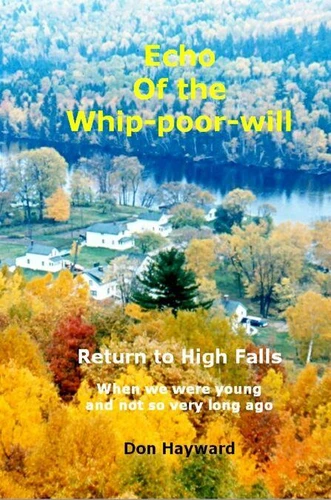
Don Hayward was born in Sudbury Ontario in 1946. He grew up at a hydro-electric generating site on the Spanish River, surrounded by the natural world of the Canadian Shield hard rock country. This is the location for Echo of the Whip-poor-Will. Don resides in Goderich Ontario
Echo of the Whip-poor-Will
Par :Formats :
Disponible dans votre compte client Decitre ou Furet du Nord dès validation de votre commande. Le format ePub est :
- Compatible avec une lecture sur My Vivlio (smartphone, tablette, ordinateur)
- Compatible avec une lecture sur liseuses Vivlio
- Pour les liseuses autres que Vivlio, vous devez utiliser le logiciel Adobe Digital Edition. Non compatible avec la lecture sur les liseuses Kindle, Remarkable et Sony
 , qui est-ce ?
Notre partenaire de plateforme de lecture numérique où vous retrouverez l'ensemble de vos ebooks gratuitement
Pour en savoir plus sur nos ebooks, consultez notre aide en ligne ici
C'est si simple ! Lisez votre ebook avec l'app Vivlio sur votre tablette, mobile ou ordinateur :

- FormatePub
- ISBN978-0-463-65061-5
- EAN9780463650615
- Date de parution02/03/2019
- Protection num.pas de protection
- Infos supplémentairesepub
- ÉditeurBluewater
Résumé
Don Hayard's memories of his early life in High Falls Ontario on the Spanish river framed as a fictional return to the disappeared town sometime in the early 2000s. The span of memory is from about 1948 to 1961. In the engaging stage play, Ipperwash, Falen Johnson and Jessica Carmichael lead us to consider place, loss of home and dislocation from our roots. They presented the story as an explanation of the native peoples' connection to the land.
I left the Blythe Theater with a mixture of excitement and sadness in my heart. Our industrial culture over the past 200 years has led to dislocation for most of us, as economics has forced people to move or has obliterated our places of youth, and in my case, both happened with High Falls. It had disappeared by 1980.
I left the Blythe Theater with a mixture of excitement and sadness in my heart. Our industrial culture over the past 200 years has led to dislocation for most of us, as economics has forced people to move or has obliterated our places of youth, and in my case, both happened with High Falls. It had disappeared by 1980.
A propos de Don Hayward
5,49 €
5,49 €
RoH - Alien Legacy
E-book
5,49 €
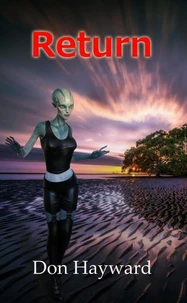
Return
E-book
5,49 €
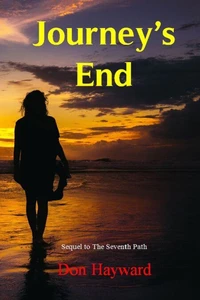
Journey's End
E-book
5,49 €
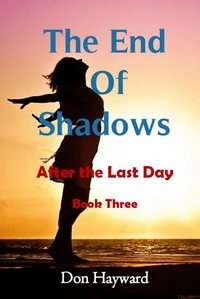
The End of Shadows
E-book
5,49 €
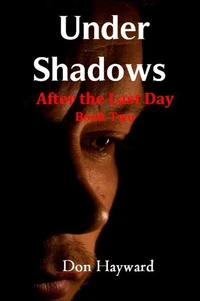
Under Shadows
E-book
5,49 €

5,49 €
Sherwood Green
E-book
5,49 €
5,49 €
The Seventh Path
E-book
5,49 €