SOLDES
Jusqu'à -70% sur une sélection d'articles*

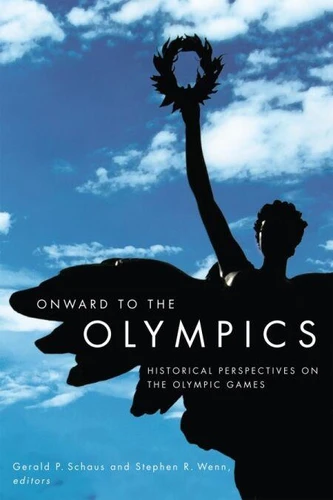
Onward to the Olympics. Historical Perspectives on the Olympic Games
Par : ,Formats :
Disponible dans votre compte client Decitre ou Furet du Nord dès validation de votre commande. Le format ePub est :
- Compatible avec une lecture sur My Vivlio (smartphone, tablette, ordinateur)
- Compatible avec une lecture sur liseuses Vivlio
- Pour les liseuses autres que Vivlio, vous devez utiliser le logiciel Adobe Digital Edition. Non compatible avec la lecture sur les liseuses Kindle, Remarkable et Sony
 , qui est-ce ?
Notre partenaire de plateforme de lecture numérique où vous retrouverez l'ensemble de vos ebooks gratuitement
Pour en savoir plus sur nos ebooks, consultez notre aide en ligne ici
C'est si simple ! Lisez votre ebook avec l'app Vivlio sur votre tablette, mobile ou ordinateur :

- Nombre de pages408
- FormatePub
- ISBN978-1-55458-779-7
- EAN9781554587797
- Date de parution02/08/2009
- Protection num.Digital Watermarking
- Taille5 Mo
- Infos supplémentairesepub
- ÉditeurWilfrid Laurier University Press
Résumé
The Olympic Games have had two lives-the first lasted for a millennium with celebrations every four years at Olympia to honour the god Zeus. The second has blossomed over the past century, from a simple start in Athens in 1896 to a dazzling return to Greece in 2004. Onward to the Olympics provides both an overview and an array of insights into aspects of the Games' history. Leading North American archaeologists and historians of sport explore the origins of the Games, compare the ancient and the modern, discuss the organization and financing of such massive athletic festivals, and examine the participation , or the troubling lack of it, by women.
Onward to the Olympics bridges the historical divide between the ancient and the modern and concludes with a thought-provoking final essay that attempts to predict the future of the Olympics over the twenty-first century.
Onward to the Olympics bridges the historical divide between the ancient and the modern and concludes with a thought-provoking final essay that attempts to predict the future of the Olympics over the twenty-first century.