
[Ioakim] spent years researching and imagining a world on the brink. When not writing, they can be found exploring forgotten archives, debating current events, or dreaming up the next big story. He live "in a quiet town near the sea with his family
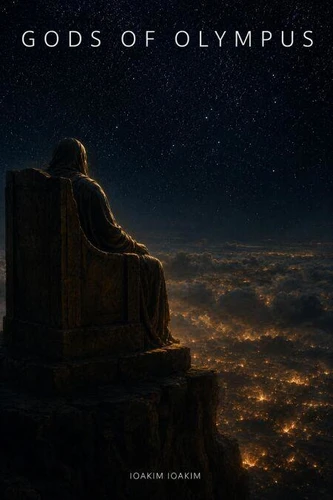
Gods Of Olympus
Par :Formats :
Disponible dans votre compte client Decitre ou Furet du Nord dès validation de votre commande. Le format ePub est :
- Compatible avec une lecture sur My Vivlio (smartphone, tablette, ordinateur)
- Compatible avec une lecture sur liseuses Vivlio
- Pour les liseuses autres que Vivlio, vous devez utiliser le logiciel Adobe Digital Edition. Non compatible avec la lecture sur les liseuses Kindle, Remarkable et Sony
 , qui est-ce ?
Notre partenaire de plateforme de lecture numérique où vous retrouverez l'ensemble de vos ebooks gratuitement
Pour en savoir plus sur nos ebooks, consultez notre aide en ligne ici
C'est si simple ! Lisez votre ebook avec l'app Vivlio sur votre tablette, mobile ou ordinateur :

- FormatePub
- ISBN8233351723
- EAN9798233351723
- Date de parution17/05/2026
- Protection num.pas de protection
- Infos supplémentairesepub
- ÉditeurLinda Balsamo
Résumé
The Titans are in the dark. Kronos sits with still water and a fear that has nothing left to act on. Prometheus is on the rock, certain now rather than almost certain, watching the fires he gave burn in the valleys below. On Olympus twelve thrones are filled. Zeus governs and checks his certainty every morning before the light, knowing the thing at the bottom of him is the same as the thing at the bottom of his father.
Hera watches everything and is angry at the gap between the governance and the king who cannot stop descending into the mortal world. Poseidon is the sea - not the god of the sea, the sea itself, with the specific loneliness of the thing that cannot step back from what it is. Demeter's hands are always moving. Hestia holds the center of every room she is in and is noticed only in her absence. Athena sees the shape of things and holds plain the things she has done.
Apollo carries the truth and the cost of the truth simultaneously. Artemis was in the forest before the light arrived and will be there after it leaves. Ares is war from the inside, which is not the same as war from the outside, and carries the weight of every inside he has been in. Aphrodite came from the sea off the coast of Cyprus and is the force that moves through the world without asking. Hermes is already somewhere else.
Dionysus almost did not arrive and carries the almost in everything he does. Below them Perseus walks the between-place of a task he said yes to before he knew what he was saying yes to. Hercules is coming - the scale of him already felt from the summit, the labors already the shape his life requires. And Prometheus, when the chain finally comes apart, walks free into the world he helped to make. THE GODS OF OLYMPUS is the second book in The Olympus Cycle.
It is literary fiction built from the bones of Greek mythology. Not gods on pedestals. Not heroes without weight. The interior lives of twelve beings who are fully what they are - and the specific cost of being fully what you are when what you are is enormous.
Hera watches everything and is angry at the gap between the governance and the king who cannot stop descending into the mortal world. Poseidon is the sea - not the god of the sea, the sea itself, with the specific loneliness of the thing that cannot step back from what it is. Demeter's hands are always moving. Hestia holds the center of every room she is in and is noticed only in her absence. Athena sees the shape of things and holds plain the things she has done.
Apollo carries the truth and the cost of the truth simultaneously. Artemis was in the forest before the light arrived and will be there after it leaves. Ares is war from the inside, which is not the same as war from the outside, and carries the weight of every inside he has been in. Aphrodite came from the sea off the coast of Cyprus and is the force that moves through the world without asking. Hermes is already somewhere else.
Dionysus almost did not arrive and carries the almost in everything he does. Below them Perseus walks the between-place of a task he said yes to before he knew what he was saying yes to. Hercules is coming - the scale of him already felt from the summit, the labors already the shape his life requires. And Prometheus, when the chain finally comes apart, walks free into the world he helped to make. THE GODS OF OLYMPUS is the second book in The Olympus Cycle.
It is literary fiction built from the bones of Greek mythology. Not gods on pedestals. Not heroes without weight. The interior lives of twelve beings who are fully what they are - and the specific cost of being fully what you are when what you are is enormous.
A propos de IOAKIM IOAKIM
2,99 €
Asha and the Other Half
E-book
2,99 €
2,99 €
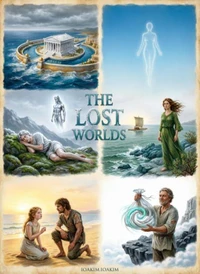
The Lost Worlds
E-book
8,99 €
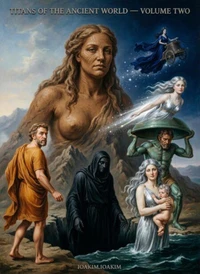
11,49 €
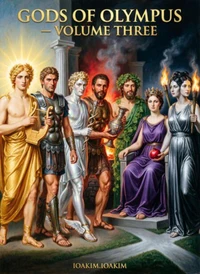
Gods of Olympus Volume 3
E-book
11,49 €
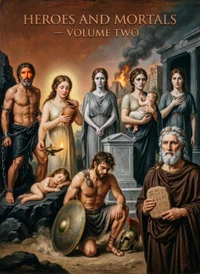
11,49 €
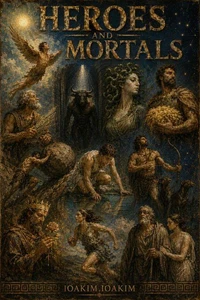
Heroes and Mortals
E-book
11,49 €
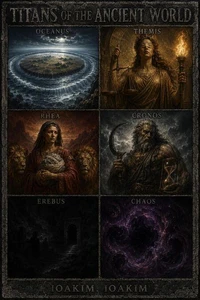
11,49 €
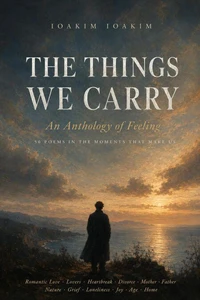
The Things we Carry
E-book
11,49 €
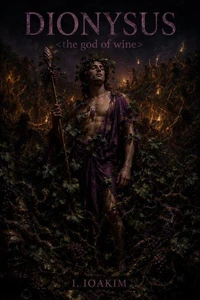
Dionysus
E-book
4,49 €
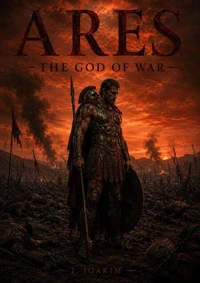
Ares
E-book
3,99 €
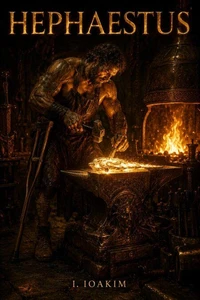
Hephaestus
E-book
3,99 €
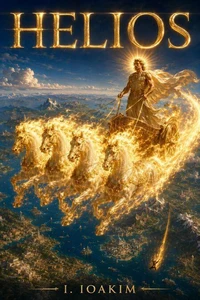
Helios
E-book
3,99 €
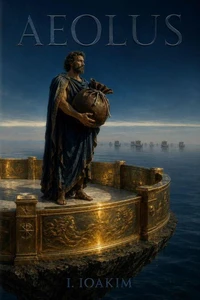
Aeolus
E-book
3,49 €
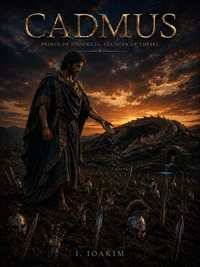
Cadmus
E-book
3,99 €
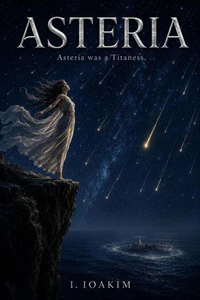
Asteria
E-book
3,99 €
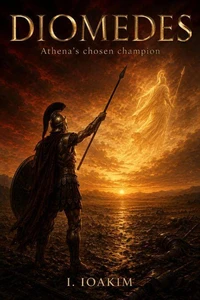
Diomedes
E-book
3,49 €
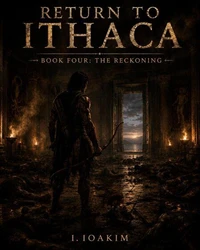
3,49 €
3,49 €