
[Ioakim] spent years researching and imagining a world on the brink. When not writing, they can be found exploring forgotten archives, debating current events, or dreaming up the next big story. He live "in a quiet town near the sea with his family
Theseus
Par :Formats :
Disponible dans votre compte client Decitre ou Furet du Nord dès validation de votre commande. Le format ePub est :
- Compatible avec une lecture sur My Vivlio (smartphone, tablette, ordinateur)
- Compatible avec une lecture sur liseuses Vivlio
- Pour les liseuses autres que Vivlio, vous devez utiliser le logiciel Adobe Digital Edition. Non compatible avec la lecture sur les liseuses Kindle, Remarkable et Sony
 , qui est-ce ?
Notre partenaire de plateforme de lecture numérique où vous retrouverez l'ensemble de vos ebooks gratuitement
Pour en savoir plus sur nos ebooks, consultez notre aide en ligne ici
C'est si simple ! Lisez votre ebook avec l'app Vivlio sur votre tablette, mobile ou ordinateur :

- FormatePub
- ISBN8235399273
- EAN9798235399273
- Date de parution23/05/2026
- Protection num.pas de protection
- Infos supplémentairesepub
- ÉditeurIoakim Ioakim
Résumé
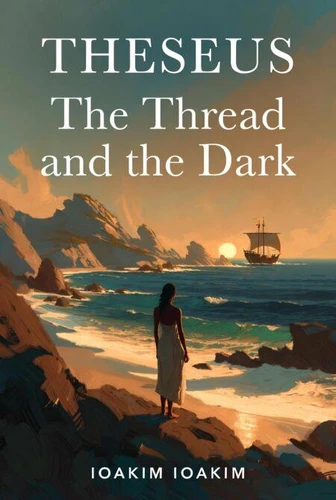
Everyone knows this part. What the myth has never fully told is what he carried back with him - and what he left behind. Theseus of Athens assembled the greatest company of heroes his age had seen, sailed to Crete as tribute, and went down into the Labyrinth that no one had survived. He killed the Minotaur. He came out. He sailed home with the survivors and the fame and the story that would define him for three thousand years.
He came out because of the thread. And the thread came from Ariadne - the daughter of Minos, the woman who saw him cross the dock and understood before he did what was going to happen, who spent two years building the map and the preparation and who came to his room in the dark of the second night and pressed the thread into his hands and said: follow it back. She gave him the thread and the name of the thing in the dark and the knowledge of the Labyrinth's structure that only she possessed.
She gave him everything. And he left her sleeping on the beach at Naxos and sailed toward Athens with the black sails still black. THESEUS: The Thread and the Dark is the story of what the giving cost and what the leaving produced - for both of them. For Ariadne, who held what she held and built her life from the ground of what she was. For Theseus, who governed a city for forty-one years carrying the weight of what he had done and what he had not done and who spent those years trying to make the man and the king close enough that the difference didn't matter.
For the thread, which was between them. Which was always between them. Which came back. The fifth book in the Olympus Cycle - literary fiction set in the world of ancient Greece, where the interior lives of its characters are the territory, the dialogue makes them live, and the myths are the bones of something that has always been about us.
He came out because of the thread. And the thread came from Ariadne - the daughter of Minos, the woman who saw him cross the dock and understood before he did what was going to happen, who spent two years building the map and the preparation and who came to his room in the dark of the second night and pressed the thread into his hands and said: follow it back. She gave him the thread and the name of the thing in the dark and the knowledge of the Labyrinth's structure that only she possessed.
She gave him everything. And he left her sleeping on the beach at Naxos and sailed toward Athens with the black sails still black. THESEUS: The Thread and the Dark is the story of what the giving cost and what the leaving produced - for both of them. For Ariadne, who held what she held and built her life from the ground of what she was. For Theseus, who governed a city for forty-one years carrying the weight of what he had done and what he had not done and who spent those years trying to make the man and the king close enough that the difference didn't matter.
For the thread, which was between them. Which was always between them. Which came back. The fifth book in the Olympus Cycle - literary fiction set in the world of ancient Greece, where the interior lives of its characters are the territory, the dialogue makes them live, and the myths are the bones of something that has always been about us.
A propos de IOAKIM IOAKIM
The Lost Worlds
E-book
8,99 €
11,49 €
Gods of Olympus Volume 3
E-book
11,49 €
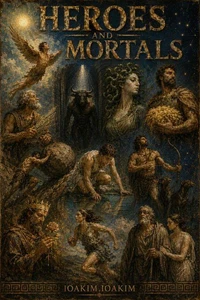
Heroes and Mortals
E-book
11,49 €
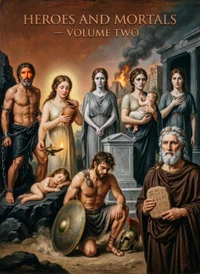
11,49 €
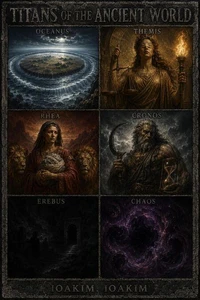
11,49 €
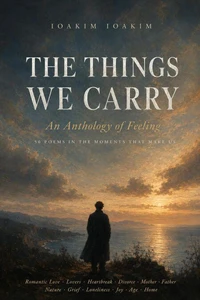
The Things we Carry
E-book
11,49 €
Dionysus
E-book
4,49 €
Ares
E-book
3,99 €
Hephaestus
E-book
3,99 €
Helios
E-book
3,99 €
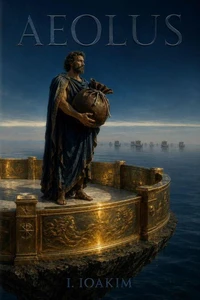
Aeolus
E-book
3,49 €
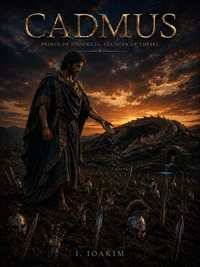
Cadmus
E-book
3,99 €
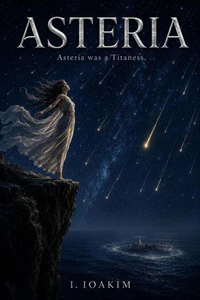
Asteria
E-book
3,99 €
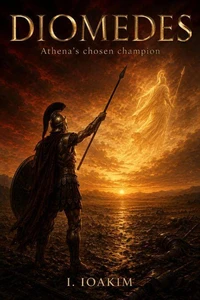
Diomedes
E-book
3,49 €
3,49 €
3,49 €
3,49 €
3,49 €
The Garden of Hecate
E-book
4,49 €