
[Ioakim] spent years researching and imagining a world on the brink. When not writing, they can be found exploring forgotten archives, debating current events, or dreaming up the next big story. He live "in a quiet town near the sea with his family
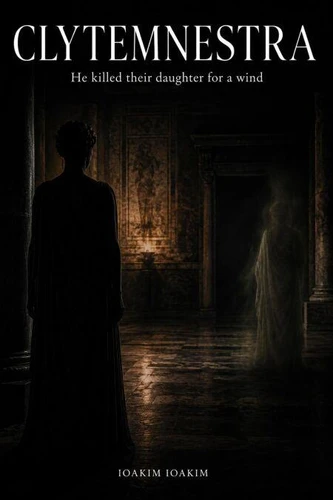
Clytemnestra
Par :Formats :
Disponible dans votre compte client Decitre ou Furet du Nord dès validation de votre commande. Le format ePub est :
- Compatible avec une lecture sur My Vivlio (smartphone, tablette, ordinateur)
- Compatible avec une lecture sur liseuses Vivlio
- Pour les liseuses autres que Vivlio, vous devez utiliser le logiciel Adobe Digital Edition. Non compatible avec la lecture sur les liseuses Kindle, Remarkable et Sony
 , qui est-ce ?
Notre partenaire de plateforme de lecture numérique où vous retrouverez l'ensemble de vos ebooks gratuitement
Pour en savoir plus sur nos ebooks, consultez notre aide en ligne ici
C'est si simple ! Lisez votre ebook avec l'app Vivlio sur votre tablette, mobile ou ordinateur :

- FormatePub
- ISBN8235872134
- EAN9798235872134
- Date de parution02/06/2026
- Protection num.pas de protection
- Infos supplémentairesepub
- ÉditeurIoakim Ioakim
Résumé
He told them it was a wedding. Achilles, he said. A great match, an honor. He sent for his daughter and she came with the belief of a girl who trusted her father, and she arrived at Aulis and understood - from the altar, from the priest, from the faces of the men waiting for something to be over - that there was no wedding. There was a wind that wouldn't come. There was a war that needed to start.
There was a father who had calculated that the largest thing required the smallest thing, and the smallest thing was his daughter. Iphigenia was seventeen. Clytemnestra was not at Aulis. He had arranged it that way - he knew that her presence would make what he was planning impossible, that whatever he had calculated about necessity and duty and war, the calculation did not survive contact with a mother and her child.
So he left her home. And sent a messenger. She received the news of her daughter's death in the early morning. She thanked the messenger. She sent him away. And then she sat in the throne room alone and felt the structure of what she was come apart. And then she rebuilt. Around the question of what was owed. The answer took ten years to deliver. Clytemnestra is told in two voices: Iphigenia's, from the place the dead speak from - not with bitterness, with the clarity of someone who has had a long time to understand what happened and why; and Clytemnestra's, from the palace at Mycenae, through the ten years of managing a kingdom and a wound and the performance of a queen awaiting her husband's return.
It is the novel of the space between them - the distance created by Aulis, crossed by love, and the conversation that was never possible until now. Not the murder. Not the politics. The mother and the daughter. What they carried. What they owe.
There was a father who had calculated that the largest thing required the smallest thing, and the smallest thing was his daughter. Iphigenia was seventeen. Clytemnestra was not at Aulis. He had arranged it that way - he knew that her presence would make what he was planning impossible, that whatever he had calculated about necessity and duty and war, the calculation did not survive contact with a mother and her child.
So he left her home. And sent a messenger. She received the news of her daughter's death in the early morning. She thanked the messenger. She sent him away. And then she sat in the throne room alone and felt the structure of what she was come apart. And then she rebuilt. Around the question of what was owed. The answer took ten years to deliver. Clytemnestra is told in two voices: Iphigenia's, from the place the dead speak from - not with bitterness, with the clarity of someone who has had a long time to understand what happened and why; and Clytemnestra's, from the palace at Mycenae, through the ten years of managing a kingdom and a wound and the performance of a queen awaiting her husband's return.
It is the novel of the space between them - the distance created by Aulis, crossed by love, and the conversation that was never possible until now. Not the murder. Not the politics. The mother and the daughter. What they carried. What they owe.
A propos de IOAKIM IOAKIM
What We Don't Say Poems
E-book
6,99 €
Ordinary Light Poems
E-book
6,99 €

Gods and Mortals Poems
E-book
6,99 €

Norse Myths Volume 2
E-book
4,49 €
Norse Myths Volume 1
E-book
4,49 €

2,99 €

Sera and Idris
E-book
2,99 €

Marcus and the Shadow
E-book
2,99 €
2,99 €
Asha and the Other Half
E-book
2,99 €
2,99 €
The Lost Worlds
E-book
8,99 €
11,49 €
Gods of Olympus Volume 3
E-book
11,49 €
11,49 €
Heroes and Mortals
E-book
11,49 €
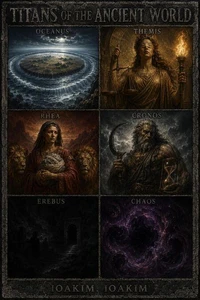
11,49 €
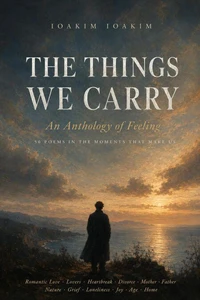
The Things we Carry
E-book
11,49 €
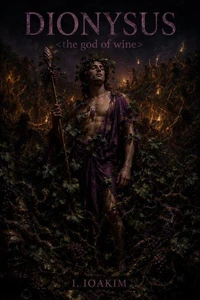
Dionysus
E-book
4,49 €
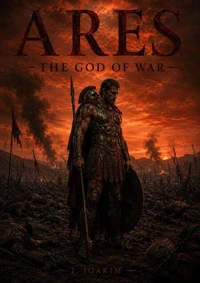
Ares
E-book
3,99 €