The world above tells the story of the taking. The girl in the field. The flowers. The ground opening. The mother's grief so complete that the world stopped growing. The bargain, the return, the six seeds that divided the year between the world above and the world below. The world above tells this story because the world above needs the explanation - needs to understand why the cold comes, why the flowers die, why the world goes gray every year in the specific quality of something that has lost the thing it most needed.
The world above has always told the wrong story. Not false - the taking happened, the grief was real, the six seeds are real and permanent. But the story the world above tells is the story of the surface. Beneath the surface is the other story, the one that Persephone tells herself: what she found in the dark, what the dark gave her that the field at Nysa never could, what it means to be the person who has been in both worlds and who carries the knowledge of both.
In the underworld she found the record - the names of every person who had ever lived, kept by the ruler of the dead since the beginning, the most important room in any world. She found the king who had been alone in the dark with the names since before she was born and who had no one to keep the record with. She found the girl of seven who sat against the wall asking about her mother. She found the Elysian Fields making their specific light from the completeness of the finished lives.
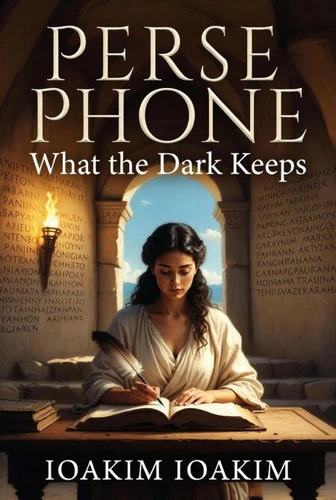
She found the function she was for. PERSEPHONE: What the Dark Keeps is the story of what the between produces - the life that is lived in both worlds simultaneously, the knowledge that neither world alone can give, the specific authority of the person who has been where everything goes and who has come back to tell the shape of the truth to the living who need to hear it. The six seeds were not the punishment.
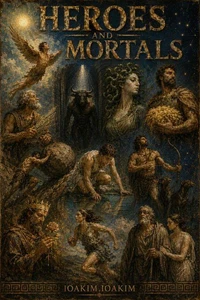
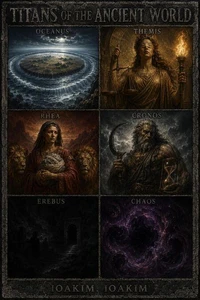
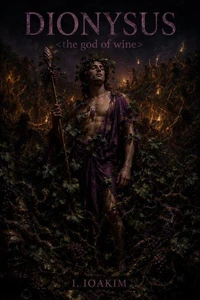
They were the claiming. The sixth book in the Olympus Cycle - literary fiction set in the world of ancient Greece, where the interior lives of its characters are the territory, the dialogue makes them live, and the myths are the bones of something that has always been about us.
The world above tells the story of the taking. The girl in the field. The flowers. The ground opening. The mother's grief so complete that the world stopped growing. The bargain, the return, the six seeds that divided the year between the world above and the world below. The world above tells this story because the world above needs the explanation - needs to understand why the cold comes, why the flowers die, why the world goes gray every year in the specific quality of something that has lost the thing it most needed.
The world above has always told the wrong story. Not false - the taking happened, the grief was real, the six seeds are real and permanent. But the story the world above tells is the story of the surface. Beneath the surface is the other story, the one that Persephone tells herself: what she found in the dark, what the dark gave her that the field at Nysa never could, what it means to be the person who has been in both worlds and who carries the knowledge of both.
In the underworld she found the record - the names of every person who had ever lived, kept by the ruler of the dead since the beginning, the most important room in any world. She found the king who had been alone in the dark with the names since before she was born and who had no one to keep the record with. She found the girl of seven who sat against the wall asking about her mother. She found the Elysian Fields making their specific light from the completeness of the finished lives.
She found the function she was for. PERSEPHONE: What the Dark Keeps is the story of what the between produces - the life that is lived in both worlds simultaneously, the knowledge that neither world alone can give, the specific authority of the person who has been where everything goes and who has come back to tell the shape of the truth to the living who need to hear it. The six seeds were not the punishment.
They were the claiming. The sixth book in the Olympus Cycle - literary fiction set in the world of ancient Greece, where the interior lives of its characters are the territory, the dialogue makes them live, and the myths are the bones of something that has always been about us.

 , qui est-ce ?