Dernière sortie
What We Don't Say Poems
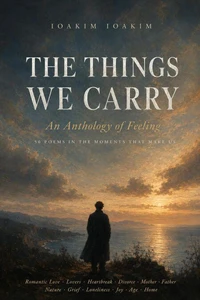
Fifty more poems about the interior life. What We Don't Say is the companion volume to Ordinary Light - fifty more long lyric poems about love in its complications, marriage in its third incarnation, ageing without apology, grief on its own schedule, and the ordinary moments that turn out to contain everything. The Morning After the Argument - We did not resolve it. We went to sleep with it unresolved because we have learned that some arguments cannot be resolved at midnight.
In the morning the argument is still there. But it is morning-sized now. The handing of things is the apology. The apology is in the coffee, the toast, the ordinary resumed. Late Love - I did not expect it at this age. I had made arrangements for the rest of it. The arrangements were adequate. Then she surprised me. Late love is different from early love. Early love is the discovery of the feeling.
Late love is the recognition of the person. I needed to be this old to be ready for her. What the Therapist Said - She said: you are very good at understanding your feelings. You are less good at feeling them. Understanding a feeling is naming it, locating its origin, constructing the narrative. Feeling a feeling is the feeling. In the body. Without the narration. Without the distance the understanding creates.
On Turning Seventy - She threw a party. Not a reluctant party. A genuine party. She wore red. She danced. At seventy: that the body's decline was not a betrayal but the price of the seventy years and the seventy years were worth the price. Just further in. Not other. More. Estrangement - My sister and I have not spoken in three years. The not-knowing how to begin is part of the subject. The estrangement from the person produces the estrangement from the language.
I miss my sister. That is the true thing. Three years. The wall. I miss her. What It Means to Stay - It means waking up and choosing again. Not once. Not on the wedding day. When the feeling is quiet. When the feeling has become so familiar it is no longer recognizable as feeling but has become simply the condition. In the quiet of the condition: the choosing. The Apology - Not the performance of it.
The actual thing. Saying it to the person who was hurt. Not to others. Saying it once. Not explaining. Not attaching an expectation. The apology is complete in itself. The response is theirs. Fifty poems. The companion volume. The continuing conversation about what it costs to be human and what it gives back.
In the morning the argument is still there. But it is morning-sized now. The handing of things is the apology. The apology is in the coffee, the toast, the ordinary resumed. Late Love - I did not expect it at this age. I had made arrangements for the rest of it. The arrangements were adequate. Then she surprised me. Late love is different from early love. Early love is the discovery of the feeling.
Late love is the recognition of the person. I needed to be this old to be ready for her. What the Therapist Said - She said: you are very good at understanding your feelings. You are less good at feeling them. Understanding a feeling is naming it, locating its origin, constructing the narrative. Feeling a feeling is the feeling. In the body. Without the narration. Without the distance the understanding creates.
On Turning Seventy - She threw a party. Not a reluctant party. A genuine party. She wore red. She danced. At seventy: that the body's decline was not a betrayal but the price of the seventy years and the seventy years were worth the price. Just further in. Not other. More. Estrangement - My sister and I have not spoken in three years. The not-knowing how to begin is part of the subject. The estrangement from the person produces the estrangement from the language.
I miss my sister. That is the true thing. Three years. The wall. I miss her. What It Means to Stay - It means waking up and choosing again. Not once. Not on the wedding day. When the feeling is quiet. When the feeling has become so familiar it is no longer recognizable as feeling but has become simply the condition. In the quiet of the condition: the choosing. The Apology - Not the performance of it.
The actual thing. Saying it to the person who was hurt. Not to others. Saying it once. Not explaining. Not attaching an expectation. The apology is complete in itself. The response is theirs. Fifty poems. The companion volume. The continuing conversation about what it costs to be human and what it gives back.