They were in the same city for ten years. They never speak in any account. Cassandra was fifteen when Apollo offered her the gift of sight and she accepted it and refused what he wanted in return. The curse was precise: the sight remained, the credibility was removed. She would see truly, speak truly, and no one would believe her. She stood at the gate of Troy from the first morning of the war and said what was coming - the horse, the fire, the specific deaths of the specific people she loved - and the city celebrated around her.
Helen did not launch a thousand ships. The men launched a thousand ships. She was in them. She made one choice - to go with Paris, to want to be looked at as a person rather than managed as a possession - and ten thousand subsequent choices made by ten thousand men were attributed to that one. The war was fought in her name. It was not about her. She carried the name anyway. Two women. Two curses.
One too visible, one not visible enough. Both used. Both real. Cassandra is their conversation, told across the fire of their burning city, in the voices the story has never given them. Not the war - the interior of the war. Not the epic - the experience of being inside the epic as the women it was nominally about, while the actual decisions were made by everyone else. Cassandra was right about everything.
Helen was responsible for less than they said and more than nothing. The truth was never told. It is told here.
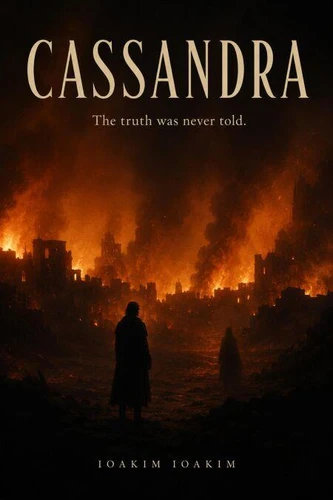
They were in the same city for ten years. They never speak in any account. Cassandra was fifteen when Apollo offered her the gift of sight and she accepted it and refused what he wanted in return. The curse was precise: the sight remained, the credibility was removed. She would see truly, speak truly, and no one would believe her. She stood at the gate of Troy from the first morning of the war and said what was coming - the horse, the fire, the specific deaths of the specific people she loved - and the city celebrated around her.
Helen did not launch a thousand ships. The men launched a thousand ships. She was in them. She made one choice - to go with Paris, to want to be looked at as a person rather than managed as a possession - and ten thousand subsequent choices made by ten thousand men were attributed to that one. The war was fought in her name. It was not about her. She carried the name anyway. Two women. Two curses.
One too visible, one not visible enough. Both used. Both real. Cassandra is their conversation, told across the fire of their burning city, in the voices the story has never given them. Not the war - the interior of the war. Not the epic - the experience of being inside the epic as the women it was nominally about, while the actual decisions were made by everyone else. Cassandra was right about everything.
Helen was responsible for less than they said and more than nothing. The truth was never told. It is told here.

 , qui est-ce ?