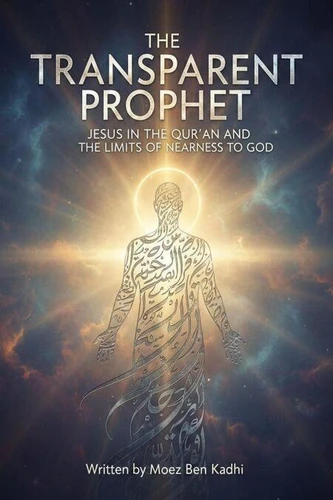
Jesus of Nazareth stands at the fault line of religious meaning. Few figures in human history have generated such devotion, conflict, misunderstanding, and projection. He is loved, exalted, denied, defended, worshipped, and rejected, often all at once. Yet among all religious traditions that speak about him, the Qur'an occupies a singular position: it grants Jesus an unmatched honor while simultaneously refusing the central claim that defines Christian faith, his divinity.
This tension is not accidental. It is deliberate, careful, and philosophically precise. The Qur'an does not diminish Jesus. On the contrary, it elevates him beyond nearly every prophetic figure in terms of symbolism, intimacy, and existential depth. He was born without a father. He speaks from the cradle. He heals the blind and raises the dead. He is strengthened by the Holy Spirit. He is called al-Masi? (the Messiah), Kalimatullah (the Word of God), and a sign for all peoples.
Yet at the very moment where Christian theology crosses into incarnation, the Qur'an stops, firmly, unequivocally. Why?This book begins from the conviction that the Qur'anic portrayal of Jesus is not a negation of meaning, but a clarification of limits. It is not a rejection of nearness to God, but a protection of it. Jesus, as presented in the Qur'an, marks the furthest possible point of proximity between God and the human being, without collapsing the distinction that makes both meaningful.
In other words, Jesus is not presented as God made human, but as the human being made fully transparent to God.
Jesus of Nazareth stands at the fault line of religious meaning. Few figures in human history have generated such devotion, conflict, misunderstanding, and projection. He is loved, exalted, denied, defended, worshipped, and rejected, often all at once. Yet among all religious traditions that speak about him, the Qur'an occupies a singular position: it grants Jesus an unmatched honor while simultaneously refusing the central claim that defines Christian faith, his divinity.
This tension is not accidental. It is deliberate, careful, and philosophically precise. The Qur'an does not diminish Jesus. On the contrary, it elevates him beyond nearly every prophetic figure in terms of symbolism, intimacy, and existential depth. He was born without a father. He speaks from the cradle. He heals the blind and raises the dead. He is strengthened by the Holy Spirit. He is called al-Masi? (the Messiah), Kalimatullah (the Word of God), and a sign for all peoples.
Yet at the very moment where Christian theology crosses into incarnation, the Qur'an stops, firmly, unequivocally. Why?This book begins from the conviction that the Qur'anic portrayal of Jesus is not a negation of meaning, but a clarification of limits. It is not a rejection of nearness to God, but a protection of it. Jesus, as presented in the Qur'an, marks the furthest possible point of proximity between God and the human being, without collapsing the distinction that makes both meaningful.
In other words, Jesus is not presented as God made human, but as the human being made fully transparent to God.

 , qui est-ce ?