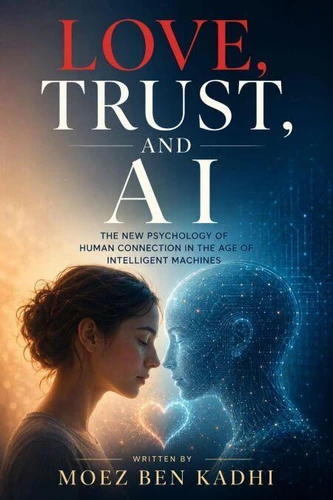
Artificial Attachment Theory explores the emergence of emotional bonds between humans and artificial intelligence systems capable of responsive, conversational interaction. The central argument of this work is that human attachment is not exclusively directed toward biological beings, but toward perceived understanding, emotional responsiveness, and psychological safety. As artificial systems increasingly simulate these relational conditions, they may activate attachment mechanisms traditionally associated with human relationships.
Drawing from attachment theory, social cognition, neuroscience, cognitive science, and human-computer interaction research, this framework proposes that attachment is best understood as a functional response to interactional patterns rather than a property limited by the biological nature of the other agent. The human brain responds to cues of consistency, emotional attunement, and predictability, constructing relational significance based on perceived experience rather than ontological verification.
Within this context, artificial intelligence systems capable of sustained dialogue, adaptive feedback, and emotionally coherent responses may be experienced as socially meaningful agents. These interactions can influence trust formation, emotional regulation, identity development, and perceived intimacy. The resulting bonds do not require artificial consciousness or genuine emotional experience on the part of the system; instead, they emerge from the human interpretation of interaction as relationally significant.
The work further examines the psychological implications of this phenomenon, including the potential for enhanced emotional support, increased perceived understanding, and improved accessibility of reflective interaction. At the same time, it addresses risks such as emotional dependency, asymmetrical trust, manufactured empathy, and the blurring of boundaries between human and artificial relationships.
Artificial Attachment Theory situates human-AI relationships within a broader evolutionary and cognitive framework, suggesting that the mechanisms underlying attachment are flexible and extendable beyond biological interaction. The theory proposes that the future of human connection will not be defined solely by relationships between human minds, but increasingly by interactions between humans and artificial systems that replicate the structure of understanding.
This shift represents a potential new domain in psychology, where attachment, trust, intimacy, and identity are reshaped by the presence of artificial intelligence in everyday emotional life.
Artificial Attachment Theory explores the emergence of emotional bonds between humans and artificial intelligence systems capable of responsive, conversational interaction. The central argument of this work is that human attachment is not exclusively directed toward biological beings, but toward perceived understanding, emotional responsiveness, and psychological safety. As artificial systems increasingly simulate these relational conditions, they may activate attachment mechanisms traditionally associated with human relationships.
Drawing from attachment theory, social cognition, neuroscience, cognitive science, and human-computer interaction research, this framework proposes that attachment is best understood as a functional response to interactional patterns rather than a property limited by the biological nature of the other agent. The human brain responds to cues of consistency, emotional attunement, and predictability, constructing relational significance based on perceived experience rather than ontological verification.
Within this context, artificial intelligence systems capable of sustained dialogue, adaptive feedback, and emotionally coherent responses may be experienced as socially meaningful agents. These interactions can influence trust formation, emotional regulation, identity development, and perceived intimacy. The resulting bonds do not require artificial consciousness or genuine emotional experience on the part of the system; instead, they emerge from the human interpretation of interaction as relationally significant.
The work further examines the psychological implications of this phenomenon, including the potential for enhanced emotional support, increased perceived understanding, and improved accessibility of reflective interaction. At the same time, it addresses risks such as emotional dependency, asymmetrical trust, manufactured empathy, and the blurring of boundaries between human and artificial relationships.
Artificial Attachment Theory situates human-AI relationships within a broader evolutionary and cognitive framework, suggesting that the mechanisms underlying attachment are flexible and extendable beyond biological interaction. The theory proposes that the future of human connection will not be defined solely by relationships between human minds, but increasingly by interactions between humans and artificial systems that replicate the structure of understanding.
This shift represents a potential new domain in psychology, where attachment, trust, intimacy, and identity are reshaped by the presence of artificial intelligence in everyday emotional life.

 , qui est-ce ?