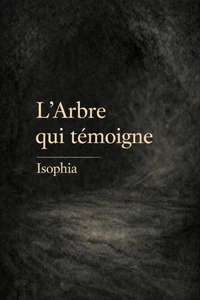
Language is not a means of connection in this work, but the site where connection fractures and leaves its mark. The Testifying Tree is an experimental work of literary fiction that reconceptualizes testimony not as narrative recollection, but as a bodily and linguistic procedure. Rather than recounting events, the text stages an interrogation in which language itself functions as evidence, and the speaking body becomes a marked recording surface.
Structured through sustained questioning and interrupted responses, the narrative resists conventional plot development. Meaning emerges through breaks, repetitions, and phonetic disruptions that expose the material limits of speech under pressure. These formal fractures are not ornamental, but structural, reflecting the ethical and physical weight placed on language. Central to the work is the conception of the body as an archive.
Wounds and deformities appear not as metaphors, but as persistent records when narrative coherence fails. Concise yet formally dense, The Testifying Tree engages questions of voice, embodiment, and the limits of representation in contemporary literature.
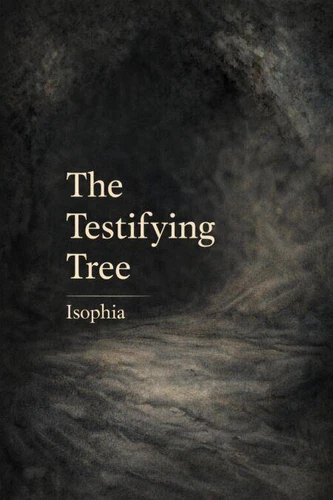
Language is not a means of connection in this work, but the site where connection fractures and leaves its mark. The Testifying Tree is an experimental work of literary fiction that reconceptualizes testimony not as narrative recollection, but as a bodily and linguistic procedure. Rather than recounting events, the text stages an interrogation in which language itself functions as evidence, and the speaking body becomes a marked recording surface.
Structured through sustained questioning and interrupted responses, the narrative resists conventional plot development. Meaning emerges through breaks, repetitions, and phonetic disruptions that expose the material limits of speech under pressure. These formal fractures are not ornamental, but structural, reflecting the ethical and physical weight placed on language. Central to the work is the conception of the body as an archive.
Wounds and deformities appear not as metaphors, but as persistent records when narrative coherence fails. Concise yet formally dense, The Testifying Tree engages questions of voice, embodiment, and the limits of representation in contemporary literature.


 , qui est-ce ?