Xochiquetzal: The Eternal Flower Goddess
Par :Formats :
Disponible dans votre compte client Decitre ou Furet du Nord dès validation de votre commande. Le format ePub est :
- Compatible avec une lecture sur My Vivlio (smartphone, tablette, ordinateur)
- Compatible avec une lecture sur liseuses Vivlio
- Pour les liseuses autres que Vivlio, vous devez utiliser le logiciel Adobe Digital Edition. Non compatible avec la lecture sur les liseuses Kindle, Remarkable et Sony
 , qui est-ce ?
Notre partenaire de plateforme de lecture numérique où vous retrouverez l'ensemble de vos ebooks gratuitement
Pour en savoir plus sur nos ebooks, consultez notre aide en ligne ici
C'est si simple ! Lisez votre ebook avec l'app Vivlio sur votre tablette, mobile ou ordinateur :

- FormatePub
- ISBN8235510876
- EAN9798235510876
- Date de parution11/05/2026
- Protection num.pas de protection
- Infos supplémentairesepub
- ÉditeurIoakim Ioakim
Résumé
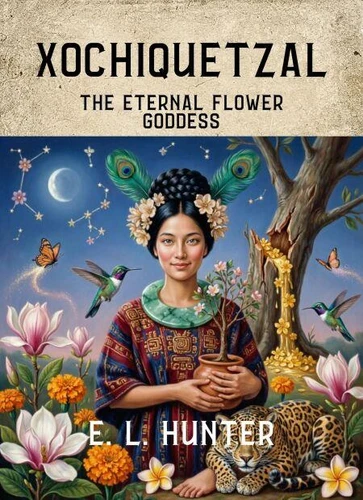
At the center of the Aztec paradise stood a flowering tree the gods were forbidden to break. The goddess who broke it was Xochiquetzal - patron of weavers, lovers, midwives, and the spirits of women who died in childbirth. Her name in Nahuatl means "precious flower" or "flower-feather, " and her cult ran through the household and the craft workshop more than the imperial temple. The featherworkers of Tlatelolco invoked her at the start of a daughter's training.
Midwives called on her at the umbilical-cord ceremony for newborn girls. Every eight years the Mexica state staged a fast festival at which her impersonator sat at the visual center of a costumed reenactment of the gods at the flowering paradise of Tamoanchan. Five centuries after the Spanish conquest dismantled the apparatus that supported her, she keeps reappearing - in midwifery and weaving in Nahua-speaking communities, in marigold offerings on Day of the Dead, in Chicana feminist scholarship, in contemporary Mexican and Chicano art. This book gathers her from the codices, the colonial chronicles, the archaeology, and the living present, and tracks who she was, what was made of her, and what she has become.
Midwives called on her at the umbilical-cord ceremony for newborn girls. Every eight years the Mexica state staged a fast festival at which her impersonator sat at the visual center of a costumed reenactment of the gods at the flowering paradise of Tamoanchan. Five centuries after the Spanish conquest dismantled the apparatus that supported her, she keeps reappearing - in midwifery and weaving in Nahua-speaking communities, in marigold offerings on Day of the Dead, in Chicana feminist scholarship, in contemporary Mexican and Chicano art. This book gathers her from the codices, the colonial chronicles, the archaeology, and the living present, and tracks who she was, what was made of her, and what she has become.
A propos de E L Hunter


8,99 €


7,49 €

6,99 €

8,99 €
8,99 €
6,99 €