
Nouveauté
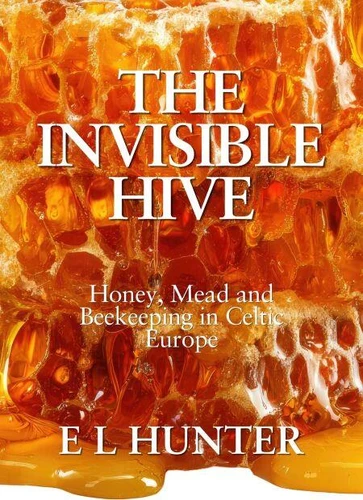
The Invisible Hive: Honey, Mead and Beekeeping in Celtic Europe
Par :Formats :
Disponible dans votre compte client Decitre ou Furet du Nord dès validation de votre commande. Le format ePub protégé est :
- Compatible avec une lecture sur My Vivlio (smartphone, tablette, ordinateur)
- Compatible avec une lecture sur liseuses Vivlio
- Pour les liseuses autres que Vivlio, vous devez utiliser le logiciel Adobe Digital Edition. Non compatible avec la lecture sur les liseuses Kindle, Remarkable et Sony
- Non compatible avec un achat hors France métropolitaine
 , qui est-ce ?
Notre partenaire de plateforme de lecture numérique où vous retrouverez l'ensemble de vos ebooks gratuitement
Pour en savoir plus sur nos ebooks, consultez notre aide en ligne ici
C'est si simple ! Lisez votre ebook avec l'app Vivlio sur votre tablette, mobile ou ordinateur :

- FormatePub
- ISBN8235398238
- EAN9798235398238
- Date de parution02/08/2026
- Protection num.Adobe DRM
- Infos supplémentairesepub
- ÉditeurIoakim Ioakim
Résumé
Honey and beeswax survive. The hives that produced them do not. In the great cauldrons and drinking vessels of Iron Age Europe, archaeology has found traces of honey-rich drinks. Beeswax has been identified behind the silver plates of the Gundestrup cauldron. Centuries later, early Irish law could decide who owned a swarm, what a hive was worth, and how much honey the sick were owed. Yet no Iron Age hive from Celtic Europe has been excavated.
No apiary has been securely identified. The evidence preserves the products of beekeeping far more clearly than the people and practices behind them. The Invisible Hive follows honey, mead and beeswax through archaeological residues, pollen, craft, ecology, early Irish and Welsh law, monastic wax, folklore and the history of the skep. It asks what can genuinely be recovered about an ancient practice built from wood, straw, wicker and living insects.
The result is a history of valuable commodities, elite feasting, legal disputes, skilled craft and changing landscapes. It also shows why the most familiar stories about Celtic bees often began much later than readers expect. For readers of beekeeping history, archaeology, ancient food and drink, early medieval Ireland, and the material history of honey and wax.
No apiary has been securely identified. The evidence preserves the products of beekeeping far more clearly than the people and practices behind them. The Invisible Hive follows honey, mead and beeswax through archaeological residues, pollen, craft, ecology, early Irish and Welsh law, monastic wax, folklore and the history of the skep. It asks what can genuinely be recovered about an ancient practice built from wood, straw, wicker and living insects.
The result is a history of valuable commodities, elite feasting, legal disputes, skilled craft and changing landscapes. It also shows why the most familiar stories about Celtic bees often began much later than readers expect. For readers of beekeeping history, archaeology, ancient food and drink, early medieval Ireland, and the material history of honey and wax.
A propos de E L Hunter


8,99 €


7,49 €
6,99 €

8,99 €
5,99 €