SOLDES
Jusqu'à -70% sur une sélection d'articles*

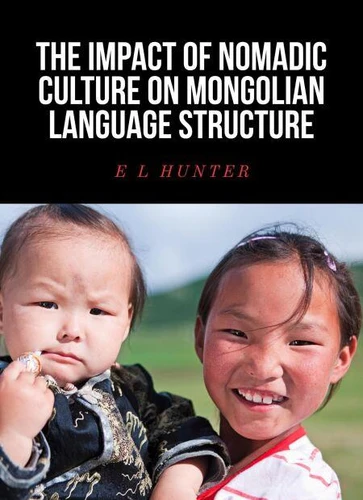
The Impact of Nomadic Culture on Mongolian Language Structure
Par :Formats :
Disponible dans votre compte client Decitre ou Furet du Nord dès validation de votre commande. Le format ePub est :
- Compatible avec une lecture sur My Vivlio (smartphone, tablette, ordinateur)
- Compatible avec une lecture sur liseuses Vivlio
- Pour les liseuses autres que Vivlio, vous devez utiliser le logiciel Adobe Digital Edition. Non compatible avec la lecture sur les liseuses Kindle, Remarkable et Sony
 , qui est-ce ?
Notre partenaire de plateforme de lecture numérique où vous retrouverez l'ensemble de vos ebooks gratuitement
Pour en savoir plus sur nos ebooks, consultez notre aide en ligne ici
C'est si simple ! Lisez votre ebook avec l'app Vivlio sur votre tablette, mobile ou ordinateur :

- FormatePub
- ISBN8231702718
- EAN9798231702718
- Date de parution13/08/2025
- Protection num.pas de protection
- Infos supplémentairesepub
- ÉditeurWalzone Press
Résumé
How does a life of constant movement across a vast landscape shape the very structure of a language? This magisterial work offers the definitive account of the profound connection between Mongolia's nomadic pastoralist culture and the unique features of the Mongolian language. Drawing on extensive ethnographic fieldwork, historical analysis, and cognitive linguistics, the book demonstrates how centuries of mobile life on the Eurasian steppe have shaped every level of the language.
It meticulously explores the rich, specialized lexicon for animals, weather, and landscape; the intricate grammar of spatial orientation and evidentiality that reflects a world seen from horseback; and the powerful conceptual metaphors that ground abstract thought in the physical experience of herding and migration. From the logic behind having over 500 words for horses to the way the structure of a ger (yurt) organizes social reasoning, this study reveals a worldview encoded in grammar. This book provides a powerful modern case study for theories of linguistic relativity, ecolinguistics, and embodied cognition.
It challenges us to rethink the dynamic relationship between language and environment, offering groundbreaking insights into how our world shapes how we think. Essential reading for linguists, anthropologists, and scholars of Inner Asian studies, this work will be invaluable to anyone interested in the intricate ways ecology and culture forge human communication.
It meticulously explores the rich, specialized lexicon for animals, weather, and landscape; the intricate grammar of spatial orientation and evidentiality that reflects a world seen from horseback; and the powerful conceptual metaphors that ground abstract thought in the physical experience of herding and migration. From the logic behind having over 500 words for horses to the way the structure of a ger (yurt) organizes social reasoning, this study reveals a worldview encoded in grammar. This book provides a powerful modern case study for theories of linguistic relativity, ecolinguistics, and embodied cognition.
It challenges us to rethink the dynamic relationship between language and environment, offering groundbreaking insights into how our world shapes how we think. Essential reading for linguists, anthropologists, and scholars of Inner Asian studies, this work will be invaluable to anyone interested in the intricate ways ecology and culture forge human communication.
A propos de E L Hunter
6,99 €
8,99 €
5,99 €
8,99 €
6,99 €



8,99 €
4,49 €
8,99 €

8,99 €
8,99 €
8,99 €

4,49 €