
Nouveauté
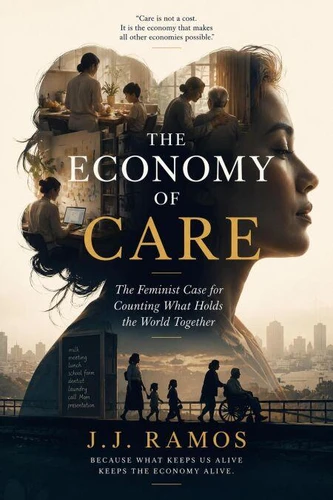
The Economy of Care
Par :Formats :
Disponible dans votre compte client Decitre ou Furet du Nord dès validation de votre commande. Le format ePub est :
- Compatible avec une lecture sur My Vivlio (smartphone, tablette, ordinateur)
- Compatible avec une lecture sur liseuses Vivlio
- Pour les liseuses autres que Vivlio, vous devez utiliser le logiciel Adobe Digital Edition. Non compatible avec la lecture sur les liseuses Kindle, Remarkable et Sony
 , qui est-ce ?
Notre partenaire de plateforme de lecture numérique où vous retrouverez l'ensemble de vos ebooks gratuitement
Pour en savoir plus sur nos ebooks, consultez notre aide en ligne ici
C'est si simple ! Lisez votre ebook avec l'app Vivlio sur votre tablette, mobile ou ordinateur :

- FormatePub
- ISBN8233157295
- EAN9798233157295
- Date de parution08/06/2026
- Protection num.pas de protection
- Infos supplémentairesepub
- ÉditeurLinda Balsamo
Résumé
A woman wakes up. She makes breakfast for two children. She empties the dishwasher. She drives a parent to a medical appointment. She sits in the waiting room and answers work email from her phone. She returns to her own desk. She works the afternoon. In the evening she helps with homework, makes dinner, runs a load of laundry, fills out a school form, calls a sibling to coordinate next week's eldercare schedule, and finally sits down at ten-thirty at night.
Of all of those hours, only the desk hours show up on the country's books. The Economy of Care is the feminist economic case for the hours that do not. J. J. Ramos walks the reader through the long argument - from Simon Kuznets's deliberate exclusion of household production from GDP in the 1930s, through the Wages for Housework demand of 1972, through Arlie Hochschild's second shift, through Nancy Folbre's case for the invisible heart, through the Stiglitz-Sen-Fitoussi Commission's recommendation to supplement GDP, through the Bureau of Economic Analysis's household-production satellite account, through the COVID-19 care collapse and the Build Back Better debate that did not pass - and asks why an argument with such overwhelming evidence keeps losing in the rooms where economic decisions are made.
The book is not a manifesto. It is an accounting. By the closing chapter the reader can explain to a friend at brunch why the GDP undercounts care work, why that undercount has quietly subsidized every other sector of the economy for two centuries, what counting the hours would actually look like, and what paying for them - paid leave, universal childcare, eldercare wages, the state-by-state domestic-worker bill of rights - would change.
The argument is constructive, plainspoken, and confident about the economic case without slipping into jargon. For readers of The Invisible Heart (Nancy Folbre), The Second Shift (Arlie Hochschild), The Sum of Us (Heather McGhee), The Deficit Myth (Stephanie Kelton), Doughnut Economics (Kate Raworth), Caliban and the Witch (Silvia Federici), and The Age of Dignity (Ai-jen Poo) - and for the woman who has been the data, and never quite had the language for it.
The Economy of Care is the latest book by J. J. Ramos.
Of all of those hours, only the desk hours show up on the country's books. The Economy of Care is the feminist economic case for the hours that do not. J. J. Ramos walks the reader through the long argument - from Simon Kuznets's deliberate exclusion of household production from GDP in the 1930s, through the Wages for Housework demand of 1972, through Arlie Hochschild's second shift, through Nancy Folbre's case for the invisible heart, through the Stiglitz-Sen-Fitoussi Commission's recommendation to supplement GDP, through the Bureau of Economic Analysis's household-production satellite account, through the COVID-19 care collapse and the Build Back Better debate that did not pass - and asks why an argument with such overwhelming evidence keeps losing in the rooms where economic decisions are made.
The book is not a manifesto. It is an accounting. By the closing chapter the reader can explain to a friend at brunch why the GDP undercounts care work, why that undercount has quietly subsidized every other sector of the economy for two centuries, what counting the hours would actually look like, and what paying for them - paid leave, universal childcare, eldercare wages, the state-by-state domestic-worker bill of rights - would change.
The argument is constructive, plainspoken, and confident about the economic case without slipping into jargon. For readers of The Invisible Heart (Nancy Folbre), The Second Shift (Arlie Hochschild), The Sum of Us (Heather McGhee), The Deficit Myth (Stephanie Kelton), Doughnut Economics (Kate Raworth), Caliban and the Witch (Silvia Federici), and The Age of Dignity (Ai-jen Poo) - and for the woman who has been the data, and never quite had the language for it.
The Economy of Care is the latest book by J. J. Ramos.
A propos de J.J. Ramos
8,99 €

Power in Her Hands
E-book
8,99 €
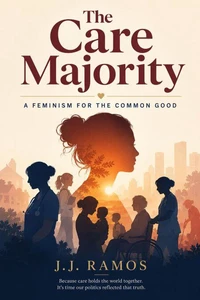
The Care Majority
E-book
8,99 €
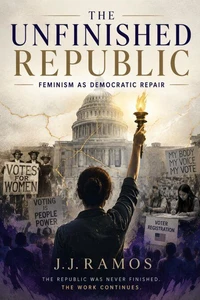
The Unfinished Republic
E-book
8,99 €
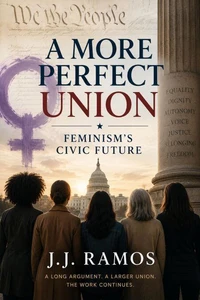
A More Perfect Union
E-book
8,99 €
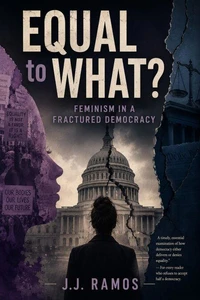
8,99 €
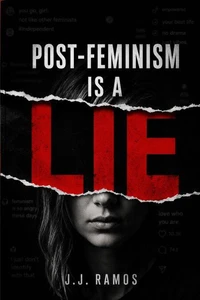
Post-Feminism is a Lie
E-book
8,99 €
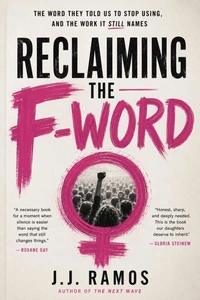
Reclaiming the F-Word
E-book
8,99 €
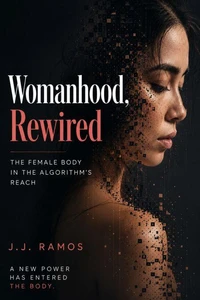
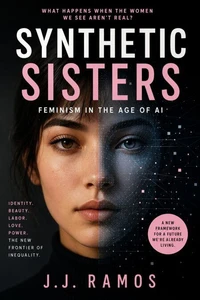
8,99 €
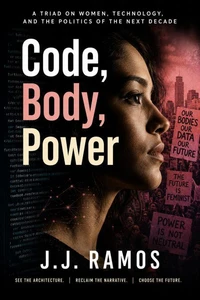
Code, Body, Power
E-book
8,99 €

8,99 €
8,99 €