
Nouveauté
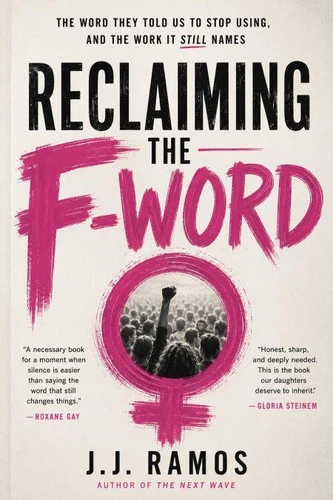
Reclaiming the F-Word
Par :Formats :
Disponible dans votre compte client Decitre ou Furet du Nord dès validation de votre commande. Le format ePub est :
- Compatible avec une lecture sur My Vivlio (smartphone, tablette, ordinateur)
- Compatible avec une lecture sur liseuses Vivlio
- Pour les liseuses autres que Vivlio, vous devez utiliser le logiciel Adobe Digital Edition. Non compatible avec la lecture sur les liseuses Kindle, Remarkable et Sony
 , qui est-ce ?
Notre partenaire de plateforme de lecture numérique où vous retrouverez l'ensemble de vos ebooks gratuitement
Pour en savoir plus sur nos ebooks, consultez notre aide en ligne ici
C'est si simple ! Lisez votre ebook avec l'app Vivlio sur votre tablette, mobile ou ordinateur :

- FormatePub
- ISBN8235311497
- EAN9798235311497
- Date de parution05/06/2026
- Protection num.pas de protection
- Infos supplémentairesepub
- ÉditeurIoakim Ioakim
Résumé
A certain kind of woman, in a certain kind of room, has started doing a small thing. The word feminist comes up. She hesitates. I would not call myself a feminist exactly, but I think people should be treated fairly. Twenty years ago you only heard that sentence from women who were not feminists. Now you hear it from women who are. Reclaiming the F-Word is a slow, plain-spoken defense of a word that was emptied out by branding, mocked into a slur, and quietly retired by the women who needed it most.
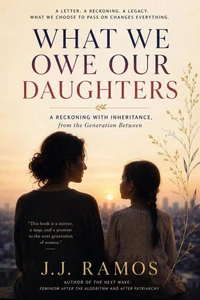
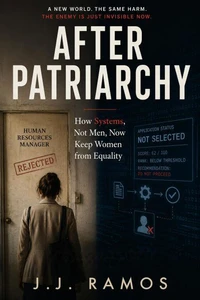
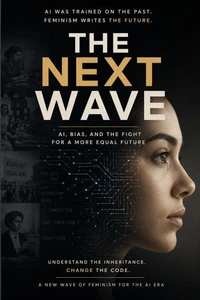
J. J. Ramos's previous books named the algorithmic patriarchy, argued what feminism becomes after patriarchy stops being a law, and handed the reader a triad - code, body, power - for the present decade. This one defends a single word, on the grounds that the word defends the work. Across thirteen essays, Ramos traces the dynamic: the T-shirt that said feminist in glitter and what got hollowed out, the slur economy that made the word a punchline, the body the word defended through the long fight for autonomy, the labor it covers, the speech it makes admissible, and the new architectures - bias in hiring AI, deepfakes, post-Dobbs data - that the word will be defending in ten years.
The book then turns to the soft substitutes (humanist, equality-minded) and asks what they leave unprotected; walks honestly through the social cost of saying the word out loud at a brunch, in an interview, at a family dinner, on a dating app; meets the generation that inherited the word's damage on the algorithmic feed; and draws on the historical work of reclamation - queer, Black, slut, crip - to ask what taking the word back actually requires.
The book is not a manifesto. It is essayistic, scene-driven, sometimes first-person, and built to be portable. It is for the woman who used to use the word, who quietly stopped, who feels a small wince when it comes up, who would like the word back without quite knowing how. For readers of Bad Feminist (Roxane Gay), Feminism is for Everybody (bell hooks), We Should All Be Feminists (Chimamanda Ngozi Adichie), Men Explain Things to Me (Rebecca Solnit), and Why I Am Not a Feminist (Jessa Crispin).
J. J. Ramos's previous books named the algorithmic patriarchy, argued what feminism becomes after patriarchy stops being a law, and handed the reader a triad - code, body, power - for the present decade. This one defends a single word, on the grounds that the word defends the work. Across thirteen essays, Ramos traces the dynamic: the T-shirt that said feminist in glitter and what got hollowed out, the slur economy that made the word a punchline, the body the word defended through the long fight for autonomy, the labor it covers, the speech it makes admissible, and the new architectures - bias in hiring AI, deepfakes, post-Dobbs data - that the word will be defending in ten years.
The book then turns to the soft substitutes (humanist, equality-minded) and asks what they leave unprotected; walks honestly through the social cost of saying the word out loud at a brunch, in an interview, at a family dinner, on a dating app; meets the generation that inherited the word's damage on the algorithmic feed; and draws on the historical work of reclamation - queer, Black, slut, crip - to ask what taking the word back actually requires.
The book is not a manifesto. It is essayistic, scene-driven, sometimes first-person, and built to be portable. It is for the woman who used to use the word, who quietly stopped, who feels a small wince when it comes up, who would like the word back without quite knowing how. For readers of Bad Feminist (Roxane Gay), Feminism is for Everybody (bell hooks), We Should All Be Feminists (Chimamanda Ngozi Adichie), Men Explain Things to Me (Rebecca Solnit), and Why I Am Not a Feminist (Jessa Crispin).
A propos de J.J. Ramos

8,99 €
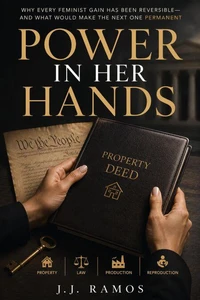
Power in Her Hands
E-book
8,99 €
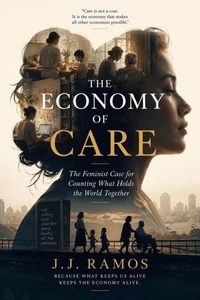
The Economy of Care
E-book
8,99 €
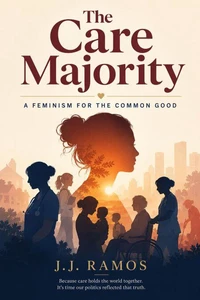
The Care Majority
E-book
8,99 €
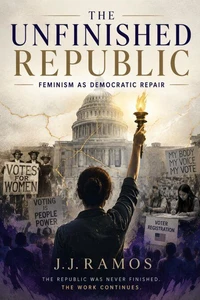
The Unfinished Republic
E-book
8,99 €
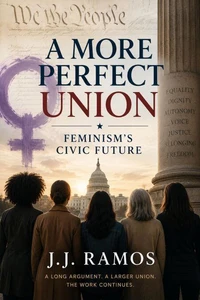
A More Perfect Union
E-book
8,99 €

8,99 €
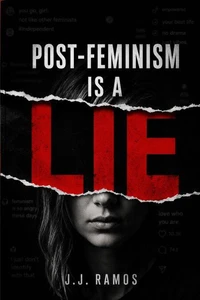
Post-Feminism is a Lie
E-book
8,99 €
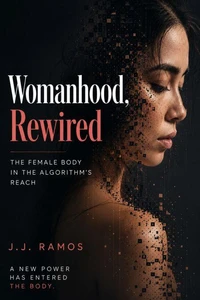
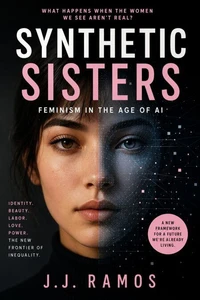
8,99 €
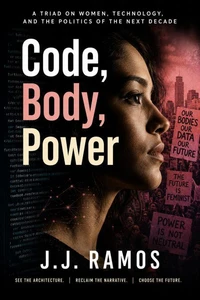
Code, Body, Power
E-book
8,99 €
8,99 €
8,99 €