SOLDES
Jusqu'à -70% sur une sélection d'articles*

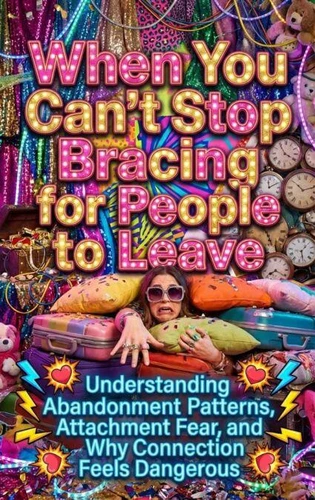
When You Can't Stop Bracing for People to Leave. Understanding Abandonment Patterns, Attachment Fear, and Why Connection Feels Dangerous
Par :Formats :
Disponible dans votre compte client Decitre ou Furet du Nord dès validation de votre commande. Le format ePub est :
- Compatible avec une lecture sur My Vivlio (smartphone, tablette, ordinateur)
- Compatible avec une lecture sur liseuses Vivlio
- Pour les liseuses autres que Vivlio, vous devez utiliser le logiciel Adobe Digital Edition. Non compatible avec la lecture sur les liseuses Kindle, Remarkable et Sony
 , qui est-ce ?
Notre partenaire de plateforme de lecture numérique où vous retrouverez l'ensemble de vos ebooks gratuitement
Pour en savoir plus sur nos ebooks, consultez notre aide en ligne ici
C'est si simple ! Lisez votre ebook avec l'app Vivlio sur votre tablette, mobile ou ordinateur :

- Nombre de pages150
- FormatePub
- ISBN978-3-565-19581-7
- EAN9783565195817
- Date de parution26/01/2026
- Protection num.pas de protection
- Taille2 Mo
- Infos supplémentairesepub
- ÉditeurEmphaloz Publishing House
Résumé
You know logically they're not leaving. But your body doesn't believe it. You monitor their tone, analyze their silences, prepare for the moment they prove you were right to guard yourself. Abandonment wounds don't live in your thoughts-they live in your nervous system, replaying old patterns in every new relationship.
This book explores why early experiences of being left, unseen, or emotionally unavailable create lifelong bracing patterns.
It examines how childhood abandonment shapes adult attachment, why you might push people away to avoid being left first, and how hypervigilance around connection becomes its own prison. It reframes abandonment fear not as irrational clinginess or self-sabotage, but as adaptive protection from a pain your younger self couldn't survive. Rather than offering steps to heal or overcome these wounds, this book helps you understand what abandonment trauma actually does to your relational wiring.
It explores the difference between being left and feeling left, why reassurance never quite sticks, and what it means to stay present in connection when every instinct screams run or hold tighter. It's about making sense of patterns that feel automatic and unchangeable. For anyone who can't stop bracing for loss even in safe relationships, this book offers clarity about where the fear comes from-and compassion for why it persists.
It examines how childhood abandonment shapes adult attachment, why you might push people away to avoid being left first, and how hypervigilance around connection becomes its own prison. It reframes abandonment fear not as irrational clinginess or self-sabotage, but as adaptive protection from a pain your younger self couldn't survive. Rather than offering steps to heal or overcome these wounds, this book helps you understand what abandonment trauma actually does to your relational wiring.
It explores the difference between being left and feeling left, why reassurance never quite sticks, and what it means to stay present in connection when every instinct screams run or hold tighter. It's about making sense of patterns that feel automatic and unchangeable. For anyone who can't stop bracing for loss even in safe relationships, this book offers clarity about where the fear comes from-and compassion for why it persists.
A propos de Thalia Brookstone











8,99 €