
Nouveauté
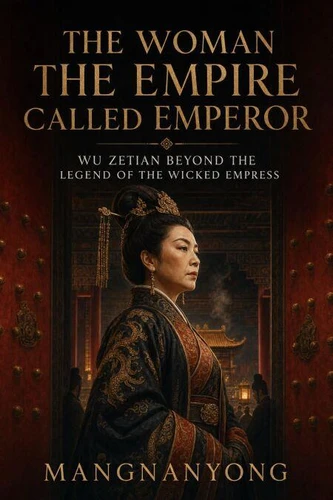
The Woman the Empire Called Emperor
Par :Formats :
Disponible dans votre compte client Decitre ou Furet du Nord dès validation de votre commande. Le format ePub est :
- Compatible avec une lecture sur My Vivlio (smartphone, tablette, ordinateur)
- Compatible avec une lecture sur liseuses Vivlio
- Pour les liseuses autres que Vivlio, vous devez utiliser le logiciel Adobe Digital Edition. Non compatible avec la lecture sur les liseuses Kindle, Remarkable et Sony
 , qui est-ce ?
Notre partenaire de plateforme de lecture numérique où vous retrouverez l'ensemble de vos ebooks gratuitement
Pour en savoir plus sur nos ebooks, consultez notre aide en ligne ici
C'est si simple ! Lisez votre ebook avec l'app Vivlio sur votre tablette, mobile ou ordinateur :

- FormatePub
- ISBN8235481435
- EAN9798235481435
- Date de parution29/07/2026
- Protection num.pas de protection
- Infos supplémentairesepub
- ÉditeurIoakim Ioakim
Résumé
Wu Zetian entered the Tang palace as a teenage concubine and ended her life as the only woman in Chinese history to rule under the title of emperor. Between those two facts lies a life repeatedly buried beneath the legend of a murderous empress. This narrative follows her from the inner palace to Ganye Temple, from empress and regent to the throne of a dynasty she named Zhou. It traces the political skill that widened access to office, the state violence that turned accusation into evidence, the family struggles that made sons into rivals, and the religious symbols that gave a woman the language of sovereignty.
Drawing on court histories, inscriptions, and modern scholarship, The Woman the Empire Called Emperor does not acquit Wu Zetian or reduce her to a monster. It asks how power was acquired, exercised, recorded, and judged-and why the woman who mastered an empire became the villain through whom later generations explained their fear of female rule.
Drawing on court histories, inscriptions, and modern scholarship, The Woman the Empire Called Emperor does not acquit Wu Zetian or reduce her to a monster. It asks how power was acquired, exercised, recorded, and judged-and why the woman who mastered an empire became the villain through whom later generations explained their fear of female rule.
A propos de Mangnanyong

2,99 €
2,99 €
2,99 €
Undeliverable
E-book
2,99 €
Dawn at Xuanwu Gate
E-book
2,99 €
2,99 €
2,99 €
The Map at 12:17
E-book
2,99 €
Finish Without Willpower
E-book
2,99 €
2,99 €
He Won China—and Lost It
E-book
2,99 €
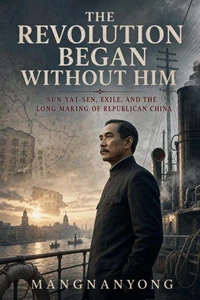
2,99 €

I'm Still Getting Better
E-book
2,99 €
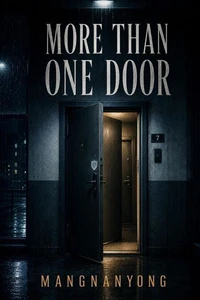
More Than One Door
E-book
2,99 €
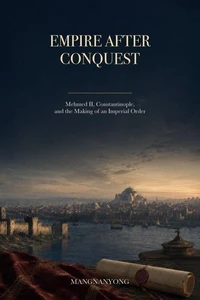
Empire After Conquest
E-book
2,99 €