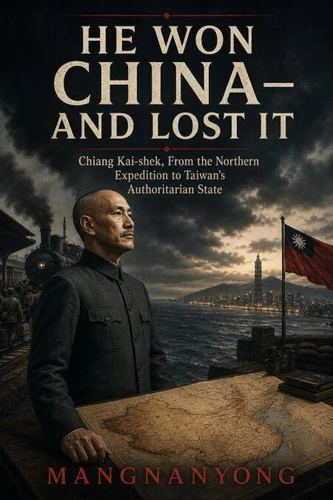
In 1928, Chiang Kai-shek emerged from the Northern Expedition as the leader of a China that was nearly-but never fully-unified. In 1945, he received Japan's surrender as the head of a victorious Allied power. Four years later, he boarded the last flight out of Chengdu and left the mainland to Mao Zedong. How did the political soldier who built an army and defeated the warlords turn his own methods of victory into the conditions of defeat?This narrative follows Chiang through the Shanghai purge, the modernization and repression of the Nanjing government, the long war against Japan, runaway inflation, and the collapse of the Nationalists in the civil war.
It restores the immense burden borne by the Nationalist armies without excusing forced conscription, the breaching of the Yellow River dikes, corruption, or the destruction of political opposition. He Won China-and Lost It does not reduce Chiang to an incompetent loser or crown him a Cold War hero. It traces how the party-state he rebuilt on Taiwan combined land reform, education, and economic development with martial law and the White Terror-and why the Republic of China survived only by changing the authoritarian system he left behind.
In 1928, Chiang Kai-shek emerged from the Northern Expedition as the leader of a China that was nearly-but never fully-unified. In 1945, he received Japan's surrender as the head of a victorious Allied power. Four years later, he boarded the last flight out of Chengdu and left the mainland to Mao Zedong. How did the political soldier who built an army and defeated the warlords turn his own methods of victory into the conditions of defeat?This narrative follows Chiang through the Shanghai purge, the modernization and repression of the Nanjing government, the long war against Japan, runaway inflation, and the collapse of the Nationalists in the civil war.
It restores the immense burden borne by the Nationalist armies without excusing forced conscription, the breaching of the Yellow River dikes, corruption, or the destruction of political opposition. He Won China-and Lost It does not reduce Chiang to an incompetent loser or crown him a Cold War hero. It traces how the party-state he rebuilt on Taiwan combined land reform, education, and economic development with martial law and the White Terror-and why the Republic of China survived only by changing the authoritarian system he left behind.


 , qui est-ce ?