
Nouveauté
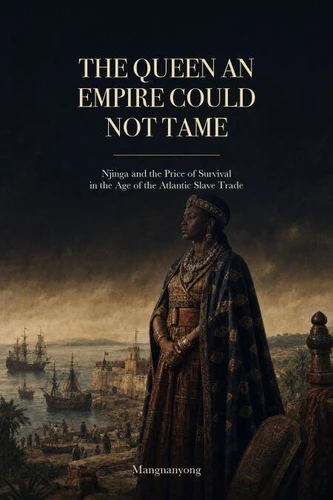
The Queen an Empire Could Not Tame
Par :Formats :
Disponible dans votre compte client Decitre ou Furet du Nord dès validation de votre commande. Le format ePub est :
- Compatible avec une lecture sur My Vivlio (smartphone, tablette, ordinateur)
- Compatible avec une lecture sur liseuses Vivlio
- Pour les liseuses autres que Vivlio, vous devez utiliser le logiciel Adobe Digital Edition. Non compatible avec la lecture sur les liseuses Kindle, Remarkable et Sony
 , qui est-ce ?
Notre partenaire de plateforme de lecture numérique où vous retrouverez l'ensemble de vos ebooks gratuitement
Pour en savoir plus sur nos ebooks, consultez notre aide en ligne ici
C'est si simple ! Lisez votre ebook avec l'app Vivlio sur votre tablette, mobile ou ordinateur :

- FormatePub
- ISBN8235689923
- EAN9798235689923
- Date de parution01/08/2026
- Protection num.pas de protection
- Infos supplémentairesepub
- ÉditeurIoakim Ioakim
Résumé
In 1622, the kingdom of Ndongo sent a woman to Luanda to negotiate with Portugal. Cannons, crosses, and slave ships shared the same harbor. The envoy was Njinga Mbande. She would become a diplomat, a Christian convert, a king, an exile, and the ruler of Matamba-changing names, allies, and strategies as the Atlantic slave trade remade West Central Africa. The Queen an Empire Could Not Tame follows Njinga through war with Portugal, uneasy partnership with Imbangala forces, alliance with the Dutch, conquest, state-building, and a final peace shaped by religion and succession.
It does not turn her into either a flawless resistance hero or the bloodthirsty queen of colonial legend. Instead, it asks what survival cost: captives turned into currency, families divided by war, and a kingdom preserved through compromises that implicated its ruler in the very trade threatening her world. Grounded in modern scholarship and read against Portuguese, missionary, and diplomatic records, this narrative history restores both Njinga's political brilliance and the people made to pay for it.
It does not turn her into either a flawless resistance hero or the bloodthirsty queen of colonial legend. Instead, it asks what survival cost: captives turned into currency, families divided by war, and a kingdom preserved through compromises that implicated its ruler in the very trade threatening her world. Grounded in modern scholarship and read against Portuguese, missionary, and diplomatic records, this narrative history restores both Njinga's political brilliance and the people made to pay for it.
A propos de Mangnanyong

2,99 €
2,99 €

Undeliverable
E-book
2,99 €
Dawn at Xuanwu Gate
E-book
2,99 €
2,99 €
2,99 €
The Map at 12:17
E-book
2,99 €
Finish Without Willpower
E-book
2,99 €
2,99 €
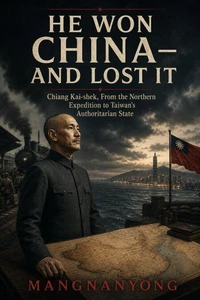
He Won China—and Lost It
E-book
2,99 €
2,99 €
2,99 €

I'm Still Getting Better
E-book
2,99 €

More Than One Door
E-book
2,99 €
Empire After Conquest
E-book
2,99 €