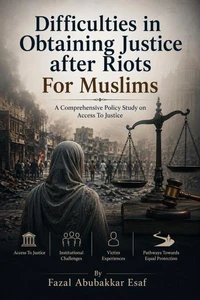
Every nation tells a story about itself. Some nations define their greatness through economic power. Some through military strength. Some through technological advancement. But the deepest measure of a nation is found somewhere else:How does it treat the weakest among its citizens?A state exists because human beings collectively decide that a structured system of authority is necessary to protect security, justice, rights, and social order.
But history has repeatedly shown that the same institutions created to protect citizens can also become instruments of exclusion when power escapes accountability. Democracy is often understood as the right to vote. Yet democracy is much deeper than elections. It is the protection of dignity, equality before law, freedom of thought, fair representation, institutional accountability, and the ability of every citizen to participate without fear.
The question of minorities is therefore not only about minority communities. It is a question about the character of the entire state. When a society protects minorities, it demonstrates that rights belong to individuals-not merely to groups with numerical strength. When a society ignores exclusion, discrimination, or institutional weakness, the consequences eventually affect everyone. The Just State explores the relationship between power and responsibility, citizenship and belonging, identity and inclusion, law and justice, democracy and human dignity.
This book examines: How states gain and use power. Why democracies sometimes become majoritarian. How identities become political tools. How exclusion develops through institutions, economics, education, and social structures. How law can protect citizens when systems fail. How media and technology influence public opinion. What global experiences teach us about inclusion. How communities can move from vulnerability toward empowerment.
How societies can build peace without demanding uniformity. This work is not written to accuse nations or communities. It is written to understand systems. It does not argue that any society is perfect. Instead, it asks a more important question:How can every society become more just?The future belongs to nations that understand diversity not as a weakness but as a source of strength. A truly successful state is not one where everyone is identical.
A truly successful state is one where differences can exist with dignity.
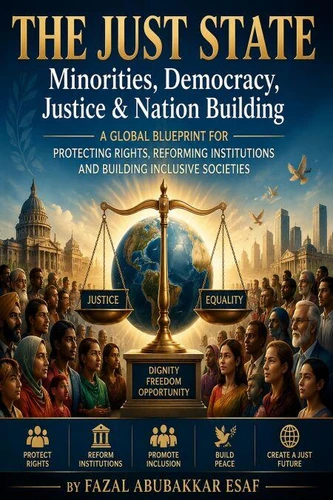
Every nation tells a story about itself. Some nations define their greatness through economic power. Some through military strength. Some through technological advancement. But the deepest measure of a nation is found somewhere else:How does it treat the weakest among its citizens?A state exists because human beings collectively decide that a structured system of authority is necessary to protect security, justice, rights, and social order.
But history has repeatedly shown that the same institutions created to protect citizens can also become instruments of exclusion when power escapes accountability. Democracy is often understood as the right to vote. Yet democracy is much deeper than elections. It is the protection of dignity, equality before law, freedom of thought, fair representation, institutional accountability, and the ability of every citizen to participate without fear.
The question of minorities is therefore not only about minority communities. It is a question about the character of the entire state. When a society protects minorities, it demonstrates that rights belong to individuals-not merely to groups with numerical strength. When a society ignores exclusion, discrimination, or institutional weakness, the consequences eventually affect everyone. The Just State explores the relationship between power and responsibility, citizenship and belonging, identity and inclusion, law and justice, democracy and human dignity.
This book examines: How states gain and use power. Why democracies sometimes become majoritarian. How identities become political tools. How exclusion develops through institutions, economics, education, and social structures. How law can protect citizens when systems fail. How media and technology influence public opinion. What global experiences teach us about inclusion. How communities can move from vulnerability toward empowerment.
How societies can build peace without demanding uniformity. This work is not written to accuse nations or communities. It is written to understand systems. It does not argue that any society is perfect. Instead, it asks a more important question:How can every society become more just?The future belongs to nations that understand diversity not as a weakness but as a source of strength. A truly successful state is not one where everyone is identical.
A truly successful state is one where differences can exist with dignity.


 , qui est-ce ?