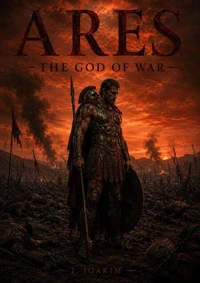
In the fifth year of the Trojan War, Diomedes had a day that no mortal warrior had ever had before him - and none would have again. With Athena at his side, he drove the Trojans back across the plain, wounded Aphrodite when she tried to carry Aeneas to safety, and then drove his spear into Ares himself. Two gods. One day. The tradition called it his aristeia - his moment of peak excellence - and preserved it in the Iliad as the most sustained account of mortal martial achievement in the entire epic canon.
Diomedes is the interior account of the warrior who wounded gods and lived with the consequences. The son of the great Tydeus, king of Argos, Athena's chosen champion - the man who fought alongside Odysseus in the dark of the night raid, who recognized an ancient guest-friendship with an enemy warrior in the middle of battle and exchanged armor with him, who was struck in the foot by Paris's arrow and responded with the pointed contempt of a man who found that particular wound's particular source genuinely offensive.
And then the return. The faithless wife. Aphrodite's long patience finding its expression in the specific vulnerability of a man's domestic life. The exile from Argos. The building of a new kingdom in Italy. He wounded gods. He paid for it. He built something anyway.
In the fifth year of the Trojan War, Diomedes had a day that no mortal warrior had ever had before him - and none would have again. With Athena at his side, he drove the Trojans back across the plain, wounded Aphrodite when she tried to carry Aeneas to safety, and then drove his spear into Ares himself. Two gods. One day. The tradition called it his aristeia - his moment of peak excellence - and preserved it in the Iliad as the most sustained account of mortal martial achievement in the entire epic canon.
Diomedes is the interior account of the warrior who wounded gods and lived with the consequences. The son of the great Tydeus, king of Argos, Athena's chosen champion - the man who fought alongside Odysseus in the dark of the night raid, who recognized an ancient guest-friendship with an enemy warrior in the middle of battle and exchanged armor with him, who was struck in the foot by Paris's arrow and responded with the pointed contempt of a man who found that particular wound's particular source genuinely offensive.
And then the return. The faithless wife. Aphrodite's long patience finding its expression in the specific vulnerability of a man's domestic life. The exile from Argos. The building of a new kingdom in Italy. He wounded gods. He paid for it. He built something anyway.


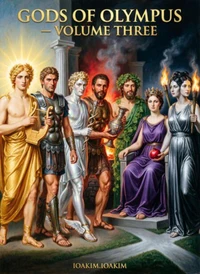
 , qui est-ce ?