
[Ioakim] spent years researching and imagining a world on the brink. When not writing, they can be found exploring forgotten archives, debating current events, or dreaming up the next big story. He live "in a quiet town near the sea with his family
Nouveauté
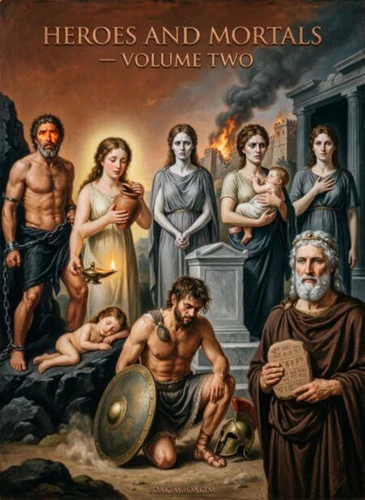
Heroes and Mortals Volume 2
Par :Formats :
Disponible dans votre compte client Decitre ou Furet du Nord dès validation de votre commande. Le format ePub est :
- Compatible avec une lecture sur My Vivlio (smartphone, tablette, ordinateur)
- Compatible avec une lecture sur liseuses Vivlio
- Pour les liseuses autres que Vivlio, vous devez utiliser le logiciel Adobe Digital Edition. Non compatible avec la lecture sur les liseuses Kindle, Remarkable et Sony
 , qui est-ce ?
Notre partenaire de plateforme de lecture numérique où vous retrouverez l'ensemble de vos ebooks gratuitement
Pour en savoir plus sur nos ebooks, consultez notre aide en ligne ici
C'est si simple ! Lisez votre ebook avec l'app Vivlio sur votre tablette, mobile ou ordinateur :

- FormatePub
- ISBN8235436510
- EAN9798235436510
- Date de parution14/08/2026
- Protection num.pas de protection
- Infos supplémentairesepub
- ÉditeurIoakim Ioakim
Résumé
Nine of the most compelling figures in Greek mythology. Nine complete novels. One volume. Prometheus - He stole fire from the gods and gave it to the mortals and was chained to a rock for eternity and an eagle ate his liver every day and it grew back every night. He knew what the punishment would be before he stole the fire. He stole it anyway. The gift was worth the cost. He still believes this. Pandora - She was made by the gods to be a punishment and was given a jar and was told not to open it and opened it.
The tradition blamed her for everything that followed. The tradition missed that she was herself one of the things inside the jar - a being created to suffer and to cause suffering, who had no say in either. Psyche - She was so beautiful that Aphrodite was jealous and so she was sent to marry a monster and the monster turned out to be Eros himself and she loved him and lost him by looking at him and spent the rest of her existence completing the impossible tasks Aphrodite set her.
She completed every one. Love required everything. She gave everything. Electra - She waited at the tomb of her father Agamemnon for the return of Orestes. She waited for years. The waiting was its own specific kind of violence - the specific interior experience of the woman who had watched her mother kill her father and who was waiting for the justice that the world had decided only a son could deliver.
Andromache - She was Hector's wife. She watched Troy fall. She watched her husband die. She watched her son Astyanax be thrown from the walls. She was taken as a slave. She survived everything the tradition threw at her and the surviving was the most heroic act in the entire Iliad. Phaedra - She fell in love with her stepson Hippolytus and he rejected her and she accused him falsely and Theseus killed him and she killed herself.
The tradition organized the story around the transgression. The story was about something more specific and more devastating than that. Ajax - He was the second greatest warrior at Troy, the man who carried Achilles' body from the battlefield, the man who lost the contest for Achilles' armor to Odysseus and who went mad and killed a flock of sheep believing they were his enemies. The madness was not weakness.
It was the specific breaking point of a man who had given everything and been told it was not enough. Diomedes - He wounded Ares and wounded Aphrodite on the same day at Troy. He was the most effective Greek warrior after Achilles - and the most overlooked. He did everything right. He received almost none of the tradition's attention. This is his account. Cadmus - He founded Thebes. He killed a dragon and sowed its teeth and fought the warriors who sprang from them.
He introduced the alphabet to Greece. He was transformed into a serpent at the end of his life. He was the most practically consequential mortal in the Greek mythological world and the tradition barely remembered him. Nine complete works of literary mythology fiction from I. Ioakim's Heroes and Mortals series.
The tradition blamed her for everything that followed. The tradition missed that she was herself one of the things inside the jar - a being created to suffer and to cause suffering, who had no say in either. Psyche - She was so beautiful that Aphrodite was jealous and so she was sent to marry a monster and the monster turned out to be Eros himself and she loved him and lost him by looking at him and spent the rest of her existence completing the impossible tasks Aphrodite set her.
She completed every one. Love required everything. She gave everything. Electra - She waited at the tomb of her father Agamemnon for the return of Orestes. She waited for years. The waiting was its own specific kind of violence - the specific interior experience of the woman who had watched her mother kill her father and who was waiting for the justice that the world had decided only a son could deliver.
Andromache - She was Hector's wife. She watched Troy fall. She watched her husband die. She watched her son Astyanax be thrown from the walls. She was taken as a slave. She survived everything the tradition threw at her and the surviving was the most heroic act in the entire Iliad. Phaedra - She fell in love with her stepson Hippolytus and he rejected her and she accused him falsely and Theseus killed him and she killed herself.
The tradition organized the story around the transgression. The story was about something more specific and more devastating than that. Ajax - He was the second greatest warrior at Troy, the man who carried Achilles' body from the battlefield, the man who lost the contest for Achilles' armor to Odysseus and who went mad and killed a flock of sheep believing they were his enemies. The madness was not weakness.
It was the specific breaking point of a man who had given everything and been told it was not enough. Diomedes - He wounded Ares and wounded Aphrodite on the same day at Troy. He was the most effective Greek warrior after Achilles - and the most overlooked. He did everything right. He received almost none of the tradition's attention. This is his account. Cadmus - He founded Thebes. He killed a dragon and sowed its teeth and fought the warriors who sprang from them.
He introduced the alphabet to Greece. He was transformed into a serpent at the end of his life. He was the most practically consequential mortal in the Greek mythological world and the tradition barely remembered him. Nine complete works of literary mythology fiction from I. Ioakim's Heroes and Mortals series.
A propos de IOAKIM IOAKIM

Gods and Mortals Poems
E-book
6,99 €

Norse Myths Volume 2
E-book
4,49 €
Norse Myths Volume 1
E-book
4,49 €

Marcus and the Shadow
E-book
2,99 €

2,99 €

Sera and Idris
E-book
2,99 €
2,99 €
Asha and the Other Half
E-book
2,99 €
2,99 €
The Lost Worlds
E-book
8,99 €
11,49 €
Gods of Olympus Volume 3
E-book
11,49 €
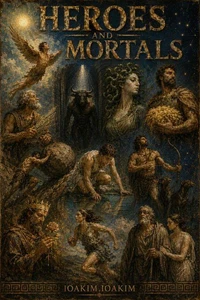
Heroes and Mortals
E-book
11,49 €
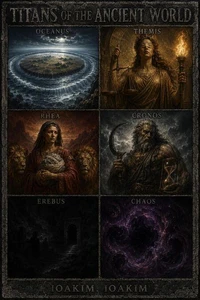
11,49 €
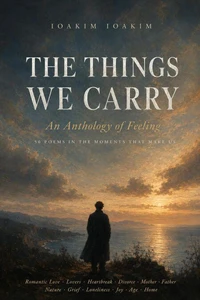
The Things we Carry
E-book
11,49 €
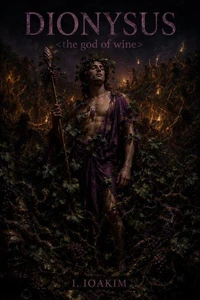
Dionysus
E-book
4,49 €
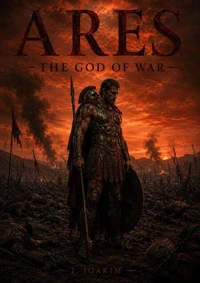
Ares
E-book
3,99 €
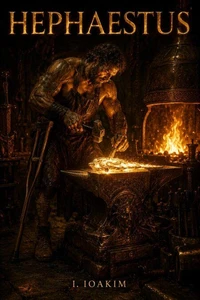
Hephaestus
E-book
3,99 €
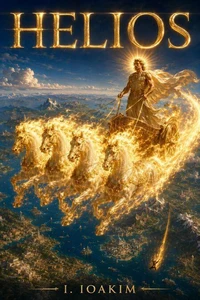
Helios
E-book
3,99 €