SOLDES
Jusqu'à -70% sur une sélection d'articles*

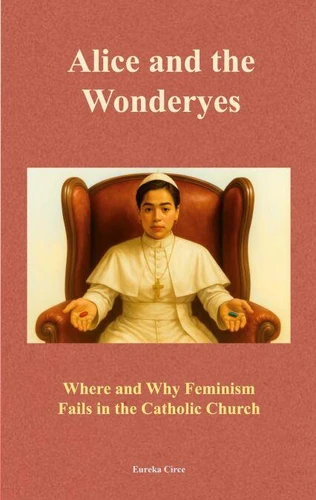
Alice and the Wonderyes. Where and Why Feminism Fails in the Catholic Church
Par :Formats :
Disponible dans votre compte client Decitre ou Furet du Nord dès validation de votre commande. Le format ePub est :
- Compatible avec une lecture sur My Vivlio (smartphone, tablette, ordinateur)
- Compatible avec une lecture sur liseuses Vivlio
- Pour les liseuses autres que Vivlio, vous devez utiliser le logiciel Adobe Digital Edition. Non compatible avec la lecture sur les liseuses Kindle, Remarkable et Sony
 , qui est-ce ?
Notre partenaire de plateforme de lecture numérique où vous retrouverez l'ensemble de vos ebooks gratuitement
Pour en savoir plus sur nos ebooks, consultez notre aide en ligne ici
C'est si simple ! Lisez votre ebook avec l'app Vivlio sur votre tablette, mobile ou ordinateur :

- Nombre de pages222
- FormatePub
- ISBN978-3-6951-2135-9
- EAN9783695121359
- Date de parution12/11/2025
- Protection num.pas de protection
- Taille3 Mo
- Infos supplémentairesepub
- ÉditeurBoD - Books on Demand
Résumé
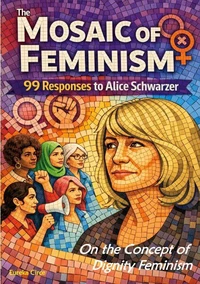
The Catholic Church is the oldest male-dominated institution in the world - and feminism has so far had little impact on it. This book addresses the uncomfortable question: Why? Feminists such as Alice Schwarzer have shaped generations, broken taboos, and sparked debates. But ironically, it is precisely where women around the world are still structurally disenfranchised - in the Catholic Church - that mainstream feminism has remained surprisingly silent.
"Alice and the Wonderyes" exposes the points of rupture: abortion, celibacy, women's ordination, sexual morality.
It shows how reform movements such as Maria 2.0 dare to rebel - and where they are blocked. And it asks the pressing question: What would have to happen for feminism to finally wrest power from the Church, which has for centuries denied women control over their bodies, sexuality, and lives? Reflective, controversial, and enduringly effective - the arguments of (questioning) Critical Feminism are a call for change for all who believe that neither God nor society should be bound by patriarchal structures.
It shows how reform movements such as Maria 2.0 dare to rebel - and where they are blocked. And it asks the pressing question: What would have to happen for feminism to finally wrest power from the Church, which has for centuries denied women control over their bodies, sexuality, and lives? Reflective, controversial, and enduringly effective - the arguments of (questioning) Critical Feminism are a call for change for all who believe that neither God nor society should be bound by patriarchal structures.
A propos de Eureka Circe

9,99 €