SOLDES
Jusqu'à -70% sur une sélection d'articles*

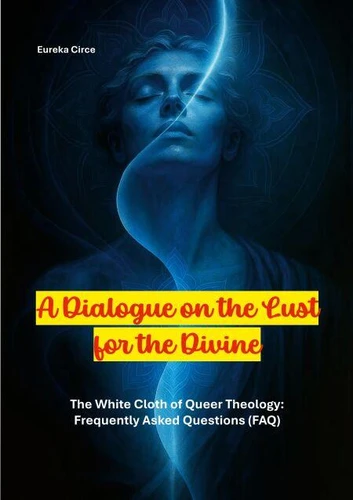
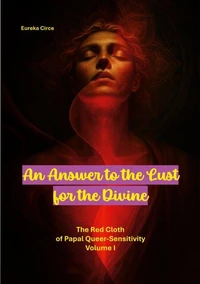
A Dialogue on the Lust for the Divine. The White Cloth of Queer Theology: Frequently Asked Questions (FAQ)
Par :Formats :
Disponible dans votre compte client Decitre ou Furet du Nord dès validation de votre commande. Le format ePub est :
- Compatible avec une lecture sur My Vivlio (smartphone, tablette, ordinateur)
- Compatible avec une lecture sur liseuses Vivlio
- Pour les liseuses autres que Vivlio, vous devez utiliser le logiciel Adobe Digital Edition. Non compatible avec la lecture sur les liseuses Kindle, Remarkable et Sony
 , qui est-ce ?
Notre partenaire de plateforme de lecture numérique où vous retrouverez l'ensemble de vos ebooks gratuitement
Pour en savoir plus sur nos ebooks, consultez notre aide en ligne ici
C'est si simple ! Lisez votre ebook avec l'app Vivlio sur votre tablette, mobile ou ordinateur :

- Nombre de pages224
- FormatePub
- ISBN978-3-6951-5340-4
- EAN9783695153404
- Date de parution17/12/2025
- Protection num.pas de protection
- Taille7 Mo
- Infos supplémentairesepub
- ÉditeurBoD - Books on Demand
Résumé
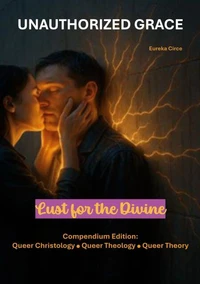
What happens when theology takes lust seriously - not as a danger, but as a source of love, dignity and faith? Lust for the Divine accompanies readers through three times seven days of Christological and sensitive theology and its practical consequences for the church - from a new reading of the Bible to culture and liturgy to exciting topics of discussion such as the ordination of women, marriage for all before the altar and freedom of conscience.
The series bridges the gap between official doctrine and lived reality and advocates for a sexual ethic that remains faithful to the Gospel and respects the reality of life: human-centred, pleasure-friendly and life-affirming. The first part lays the foundations for a delight in the divine; the following parts show how the frame shifts from order of creation to diversity of creation and what consequences this has for sacraments, language, pastoral care and canon law.
The book invites an objective, clear and effective dialogue - with respect for tradition and clear words for a church that understands diversity as a gift and respects incarnation in the physical sense. The FAQ volume brings together the themes and theses of queer theology into a theological compendium of questions about the church's sexual morality. Precise answers systematically address key areas of integration: creation and diversity, lust and grace, power and abuse, office and authority.
The spectrum ranges from the question of whether Jesus or God can be thought of as queer to the shaping of marriage for all before the altar, to celibacy and the ordination of women. Theological, biblical and feminist perspectives are intertwined to open up new avenues for pastoral practice and church reform. The result is a reference work of dialogue - open, analytical and committed to the Gospel, which places freedom and relationship above law and fear.
The series bridges the gap between official doctrine and lived reality and advocates for a sexual ethic that remains faithful to the Gospel and respects the reality of life: human-centred, pleasure-friendly and life-affirming. The first part lays the foundations for a delight in the divine; the following parts show how the frame shifts from order of creation to diversity of creation and what consequences this has for sacraments, language, pastoral care and canon law.
The book invites an objective, clear and effective dialogue - with respect for tradition and clear words for a church that understands diversity as a gift and respects incarnation in the physical sense. The FAQ volume brings together the themes and theses of queer theology into a theological compendium of questions about the church's sexual morality. Precise answers systematically address key areas of integration: creation and diversity, lust and grace, power and abuse, office and authority.
The spectrum ranges from the question of whether Jesus or God can be thought of as queer to the shaping of marriage for all before the altar, to celibacy and the ordination of women. Theological, biblical and feminist perspectives are intertwined to open up new avenues for pastoral practice and church reform. The result is a reference work of dialogue - open, analytical and committed to the Gospel, which places freedom and relationship above law and fear.
A propos de Eureka Circe

9,99 €