SOLDES
Jusqu'à -70% sur une sélection d'articles*

Nouveauté
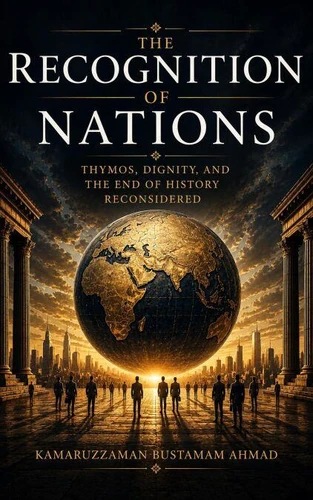
THE RECOGNITION OF NATIONS: Thymos, Dignity, and the End of History Reconsidered
Par :Formats :
Disponible dans votre compte client Decitre ou Furet du Nord dès validation de votre commande. Le format ePub est :
- Compatible avec une lecture sur My Vivlio (smartphone, tablette, ordinateur)
- Compatible avec une lecture sur liseuses Vivlio
- Pour les liseuses autres que Vivlio, vous devez utiliser le logiciel Adobe Digital Edition. Non compatible avec la lecture sur les liseuses Kindle, Remarkable et Sony
 , qui est-ce ?
Notre partenaire de plateforme de lecture numérique où vous retrouverez l'ensemble de vos ebooks gratuitement
Pour en savoir plus sur nos ebooks, consultez notre aide en ligne ici
C'est si simple ! Lisez votre ebook avec l'app Vivlio sur votre tablette, mobile ou ordinateur :

- FormatePub
- ISBN8235455870
- EAN9798235455870
- Date de parution09/06/2026
- Protection num.pas de protection
- Infos supplémentairesepub
- ÉditeurIoakim Ioakim
Résumé
Why do nations continue to struggle for recognition even after the supposed triumph of modernity, democracy, and globalization?At the end of the twentieth century, many believed that ideological conflicts were approaching their final chapter. Yet the twenty-first century has revealed a different reality: rising nationalism, geopolitical rivalry, cultural resistance, identity politics, and a renewed search for dignity among civilizations.
The Recognition of Nations: Thymos, Dignity, and the End of History Reconsidered revisits one of the most important questions in political thought: the human desire for recognition. Drawing on the concept of thymos-the deep human longing for dignity, respect, and acknowledgment-this book explores how the struggle for recognition extends beyond individuals and shapes the destiny of nations, cultures, and civilizations.
It examines why economic progress alone cannot explain global tensions and why questions of identity, historical memory, sovereignty, and civilizational pride remain powerful forces in world affairs. This book explores:. The unfinished debate on the "End of History.". The role of dignity and recognition in global politics. The rise of civilizational consciousness in a changing world order. The relationship between identity, power, and international relations.
The future of humanity beyond ideological triumphalismCombining insights from political philosophy, geopolitics, history, and civilization studies, this work provides a thoughtful reflection on why nations seek not only prosperity and security, but also respect. In an era of shifting global power, the future may not be determined only by technology or economics but by a deeper question:Who receives recognition, whose dignity is acknowledged, and whose story shapes the future of civilization?
The Recognition of Nations: Thymos, Dignity, and the End of History Reconsidered revisits one of the most important questions in political thought: the human desire for recognition. Drawing on the concept of thymos-the deep human longing for dignity, respect, and acknowledgment-this book explores how the struggle for recognition extends beyond individuals and shapes the destiny of nations, cultures, and civilizations.
It examines why economic progress alone cannot explain global tensions and why questions of identity, historical memory, sovereignty, and civilizational pride remain powerful forces in world affairs. This book explores:. The unfinished debate on the "End of History.". The role of dignity and recognition in global politics. The rise of civilizational consciousness in a changing world order. The relationship between identity, power, and international relations.
The future of humanity beyond ideological triumphalismCombining insights from political philosophy, geopolitics, history, and civilization studies, this work provides a thoughtful reflection on why nations seek not only prosperity and security, but also respect. In an era of shifting global power, the future may not be determined only by technology or economics but by a deeper question:Who receives recognition, whose dignity is acknowledged, and whose story shapes the future of civilization?