SOLDES
Jusqu'à -70% sur une sélection d'articles*

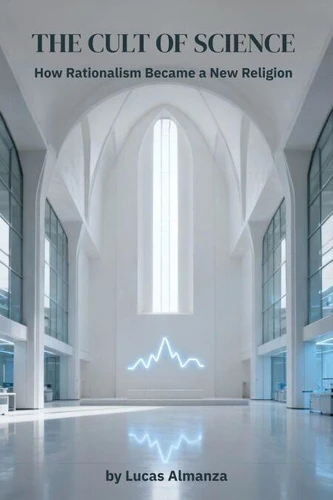
The Cult of Science: How Rationalism Became a New Religion
Par :Formats :
Disponible dans votre compte client Decitre ou Furet du Nord dès validation de votre commande. Le format ePub est :
- Compatible avec une lecture sur My Vivlio (smartphone, tablette, ordinateur)
- Compatible avec une lecture sur liseuses Vivlio
- Pour les liseuses autres que Vivlio, vous devez utiliser le logiciel Adobe Digital Edition. Non compatible avec la lecture sur les liseuses Kindle, Remarkable et Sony
 , qui est-ce ?
Notre partenaire de plateforme de lecture numérique où vous retrouverez l'ensemble de vos ebooks gratuitement
Pour en savoir plus sur nos ebooks, consultez notre aide en ligne ici
C'est si simple ! Lisez votre ebook avec l'app Vivlio sur votre tablette, mobile ou ordinateur :

- FormatePub
- ISBN8233619502
- EAN9798233619502
- Date de parution07/01/2026
- Protection num.pas de protection
- Infos supplémentairesepub
- ÉditeurLinda Balsamo
Résumé
The Cult of Science: How Rationalism Became a New Religion By Lucas AlmanzaEvery age has its clergy. Ours wear lab coats. For centuries, the scientific revolution promised to liberate humanity from the shackles of dogma and superstition. Yet, in our modern era, Lucas Almanza argues that the culture of science has adopted the very traits of the priesthood it once overthrew. In The Cult of Science, Almanza provides a subversive and intellectually rigorous investigation into "scientism"-the transformation of a fallible human method into a rigid, unquestionable worldview characterized by authority, ritual, and a newfound intolerance for dissent.
Moving through the "Priesthood of Expertise" and the deepening "Replication Reformation, " Almanza exposes the internal crises currently shaking the foundations of psychology, medicine, and economics. This is not an anti-science polemic, but a defense of science's original, most noble function: the embrace of doubt. The book examines how "The Science Is Settled" became a moral slogan used to excommunicate heretics, and how data, algorithms, and peer-reviewed consensus have become the holy relics of a new technocratic faith that often prizes conformity over genuine curiosity.
Drawing on the psychology of belief and the sociology of credentialism, The Cult of Science challenges readers to distinguish between the beauty of the scientific method and the institutional movement that seeks to monopolize truth. Almanza calls for a return to humility, urging a post-dogmatic rationality where open inquiry and pluralism replace the Gospel of Progress. This is an essential read for anyone who suspects that the end of traditional religion was never the end of faith-only the beginning of a new, more subtle form of worship.
Moving through the "Priesthood of Expertise" and the deepening "Replication Reformation, " Almanza exposes the internal crises currently shaking the foundations of psychology, medicine, and economics. This is not an anti-science polemic, but a defense of science's original, most noble function: the embrace of doubt. The book examines how "The Science Is Settled" became a moral slogan used to excommunicate heretics, and how data, algorithms, and peer-reviewed consensus have become the holy relics of a new technocratic faith that often prizes conformity over genuine curiosity.
Drawing on the psychology of belief and the sociology of credentialism, The Cult of Science challenges readers to distinguish between the beauty of the scientific method and the institutional movement that seeks to monopolize truth. Almanza calls for a return to humility, urging a post-dogmatic rationality where open inquiry and pluralism replace the Gospel of Progress. This is an essential read for anyone who suspects that the end of traditional religion was never the end of faith-only the beginning of a new, more subtle form of worship.
A propos de Lucas Almanza





3,49 €

4,49 €


4,49 €