SOLDES
Jusqu'à -70% sur une sélection d'articles*

Nouveauté
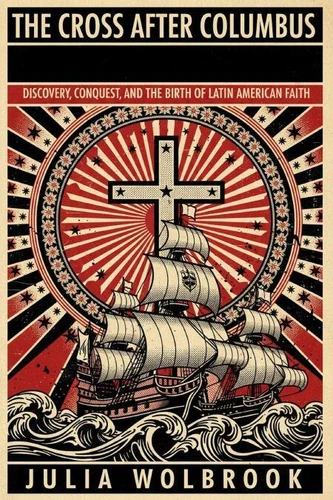
The Cross After Columbus Discovery, Conquest, and the Birth of Latin American Faith
Par :Formats :
Disponible dans votre compte client Decitre ou Furet du Nord dès validation de votre commande. Le format ePub est :
- Compatible avec une lecture sur My Vivlio (smartphone, tablette, ordinateur)
- Compatible avec une lecture sur liseuses Vivlio
- Pour les liseuses autres que Vivlio, vous devez utiliser le logiciel Adobe Digital Edition. Non compatible avec la lecture sur les liseuses Kindle, Remarkable et Sony
 , qui est-ce ?
Notre partenaire de plateforme de lecture numérique où vous retrouverez l'ensemble de vos ebooks gratuitement
Pour en savoir plus sur nos ebooks, consultez notre aide en ligne ici
C'est si simple ! Lisez votre ebook avec l'app Vivlio sur votre tablette, mobile ou ordinateur :

- FormatePub
- ISBN8235660885
- EAN9798235660885
- Date de parution29/05/2026
- Protection num.pas de protection
- Infos supplémentairesepub
- ÉditeurIoakim Ioakim
Résumé
When Christopher Columbus crossed the Atlantic, he carried more than the banners of Spain. He brought a cross. What followed was one of the most dramatic encounters in human history, a collision of empires, gods, languages, and worldviews that would forever transform two continents. The Cross After Columbus takes readers beyond the familiar stories of conquest and gold to explore a deeper and more enduring revolution: the struggle for the soul of the Americas.
From the towering temples of the Aztecs to the sacred mountains of the Andes, Indigenous civilizations possessed rich spiritual traditions that shaped every aspect of life. Yet with the arrival of Spanish conquistadors came missionaries determined to spread Christianity, often alongside armies, political ambition, and imperial power. The result was neither total conversion nor complete resistance.
Instead, a new religious world emerged. Through vivid storytelling and groundbreaking historical insight, this book traces the birth of a uniquely Latin American faith, a faith forged in conflict, adaptation, and survival. Readers will encounter the rise of the Virgin of Guadalupe, the hidden persistence of Indigenous deities beneath Christian symbols, the dramatic campaigns against "idolatry, " and the extraordinary cultural negotiations that gave rise to one of the world's most vibrant religious traditions.
Neither a celebration nor a condemnation, The Cross After Columbus offers a compelling exploration of how faith was transformed when Europe met the Americas. It is a story of missionaries and emperors, saints and shamans, destruction and resilience, conquest and creation. Five centuries later, the legacy of that encounter still lives in the churches, festivals, pilgrimages, and spiritual traditions of Latin America.
This is the story of how a foreign religion became a continental identity, and how the peoples of the Americas reshaped Christianity in their own image.
From the towering temples of the Aztecs to the sacred mountains of the Andes, Indigenous civilizations possessed rich spiritual traditions that shaped every aspect of life. Yet with the arrival of Spanish conquistadors came missionaries determined to spread Christianity, often alongside armies, political ambition, and imperial power. The result was neither total conversion nor complete resistance.
Instead, a new religious world emerged. Through vivid storytelling and groundbreaking historical insight, this book traces the birth of a uniquely Latin American faith, a faith forged in conflict, adaptation, and survival. Readers will encounter the rise of the Virgin of Guadalupe, the hidden persistence of Indigenous deities beneath Christian symbols, the dramatic campaigns against "idolatry, " and the extraordinary cultural negotiations that gave rise to one of the world's most vibrant religious traditions.
Neither a celebration nor a condemnation, The Cross After Columbus offers a compelling exploration of how faith was transformed when Europe met the Americas. It is a story of missionaries and emperors, saints and shamans, destruction and resilience, conquest and creation. Five centuries later, the legacy of that encounter still lives in the churches, festivals, pilgrimages, and spiritual traditions of Latin America.
This is the story of how a foreign religion became a continental identity, and how the peoples of the Americas reshaped Christianity in their own image.
A propos de Julia Wolbrook







2,99 €