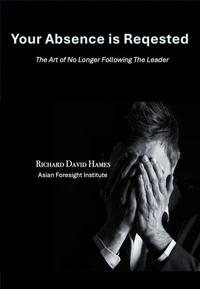
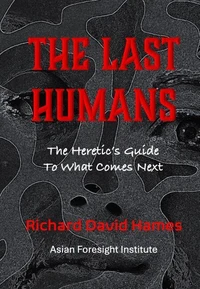
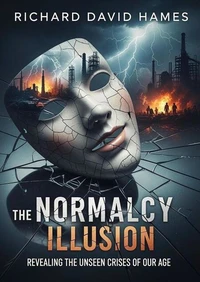
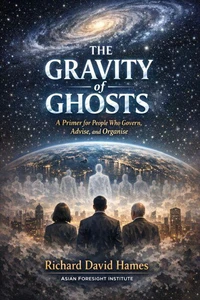
This book begins with a heresy: what if "leadership" as we've been sold it is not our salvation, but part of the machinery driving us toward collapse?Drawing on decades of work with presidents, CEOs, generals, activists and communities across the world, the author argues that modern leadership has become the priestcraft of an industrial religion: endless growth on a finite planet, permanent militarism, ruthless competition, and the worship of heroic (usually male) decision-makers while the real lifegivers of society-nurses, teachers, community organisers, Indigenous custodians, artists-are sidelined.
Instead of offering another upgrade to the leadership canon, this book tries to bury it. It tracks how the "leader" myth was invented to serve corporations, bureaucratic states and mass media, and how it quietly normalises obedience, hierarchy and adolescent fantasies of conquest-precisely when we need maturity, limits and repair. In its place, the book names a different vocation already alive at the margins: stewardship for the greater good.
Through the intertwined practices of stewardship, custodianship and curation, it sketches a way of tending the systems that sustain life, rather than competing to stand on top of them. Readers are invited to see through the industrial spell, to recognise the zombie of leadership for what it is, and to shift their admiration and energy toward those who protect, regenerate and quietly hold the future in trust.
This book begins with a heresy: what if "leadership" as we've been sold it is not our salvation, but part of the machinery driving us toward collapse?Drawing on decades of work with presidents, CEOs, generals, activists and communities across the world, the author argues that modern leadership has become the priestcraft of an industrial religion: endless growth on a finite planet, permanent militarism, ruthless competition, and the worship of heroic (usually male) decision-makers while the real lifegivers of society-nurses, teachers, community organisers, Indigenous custodians, artists-are sidelined.
Instead of offering another upgrade to the leadership canon, this book tries to bury it. It tracks how the "leader" myth was invented to serve corporations, bureaucratic states and mass media, and how it quietly normalises obedience, hierarchy and adolescent fantasies of conquest-precisely when we need maturity, limits and repair. In its place, the book names a different vocation already alive at the margins: stewardship for the greater good.
Through the intertwined practices of stewardship, custodianship and curation, it sketches a way of tending the systems that sustain life, rather than competing to stand on top of them. Readers are invited to see through the industrial spell, to recognise the zombie of leadership for what it is, and to shift their admiration and energy toward those who protect, regenerate and quietly hold the future in trust.

 , qui est-ce ?