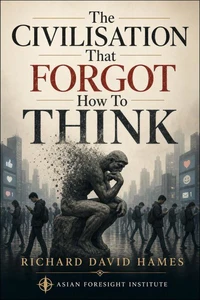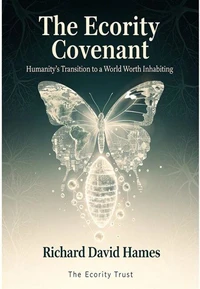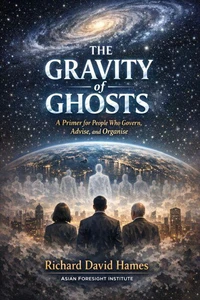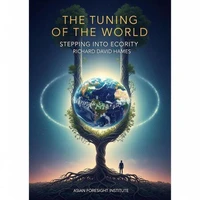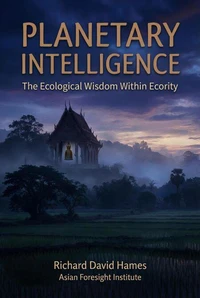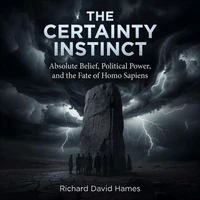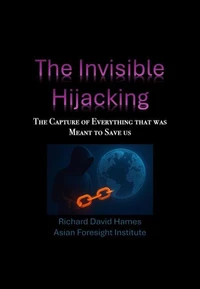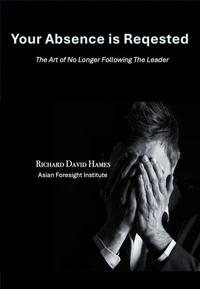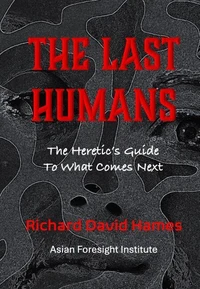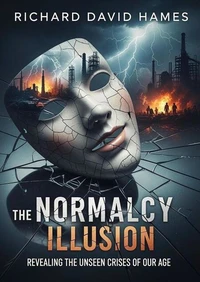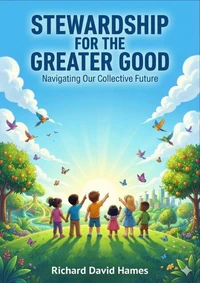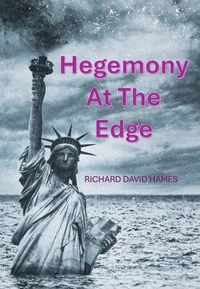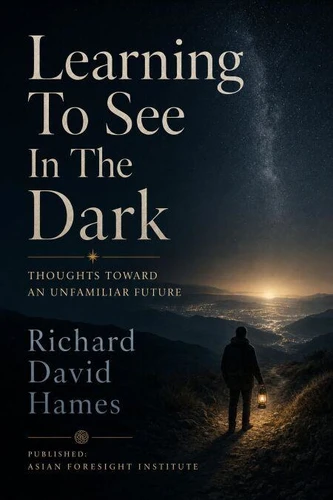



Dr Richard David Hames is an Australian citizen, born and educated in Europe, now resident in Asia. Recently described as one of this century's most insightful philosopher-activists, and by Forbes Asia as one of the smartest people on the planet, Richard is considered to be among the world's most influential intellectuals and strategic knowledge designers. Richard is the Executive Director of the Centre for the Future, Executive Chairman of The Hames Group, and President of the Asian Foresight Institute.
Richard works internationally as an adviser to governments and with many of the world's most innovative and entrepreneurial business corporations. Richard has been a personal mentor to heads of state, government ministers, CEOs, company directors and entrepreneurs across Asia, Africa, the Middle East, Europe and South America and is also acknowledged within the foresight community as one of the world's most accurate futurists.
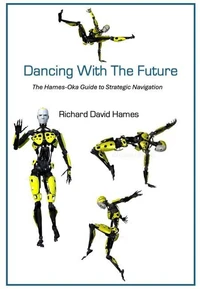
A celebrated speaker and writer, Richard is the author of several best-selling books including The Management Myth; Burying the 20th Century and The Five Literacies of Global Leadership. He is currently working on three new books, Contagion; Dancing with the Future; and Arcs of Intersection & Ascent. All three are concerned with the development of a post-humanitarian cosmology and societal paradigms from advanced levels of collective consciousness.
Richard works internationally as an adviser to governments and with many of the world's most innovative and entrepreneurial business corporations. Richard has been a personal mentor to heads of state, government ministers, CEOs, company directors and entrepreneurs across Asia, Africa, the Middle East, Europe and South America and is also acknowledged within the foresight community as one of the world's most accurate futurists.
A celebrated speaker and writer, Richard is the author of several best-selling books including The Management Myth; Burying the 20th Century and The Five Literacies of Global Leadership. He is currently working on three new books, Contagion; Dancing with the Future; and Arcs of Intersection & Ascent. All three are concerned with the development of a post-humanitarian cosmology and societal paradigms from advanced levels of collective consciousness.