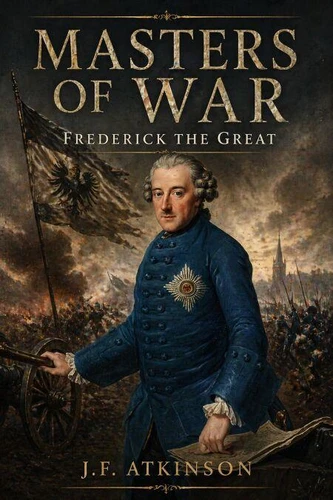
Frederick the Great transformed Prussia from a vulnerable second-tier kingdom into a major European power through military genius, strategic vision, and unwavering determination. Over a forty-six-year reign marked by near-constant warfare, he fought against overwhelming odds, defeated enemies who vastly outnumbered him, and survived a seven-year war that should have destroyed his kingdom. His tactical innovations, particularly the oblique order of battle, became models studied by military professionals for generations.
His campaigns influenced commanders from Napoleon to the architects of modern military doctrine. This volume in the Masters of War series provides a rigorous analysis of Frederick's military career, examining both his remarkable achievements and his significant failures. From the bold seizure of Silesia in 1740 to the desperate struggle for survival during the Seven Years' War, from crushing victories at Rossbach and Leuthen to catastrophic defeat at Kunersdorf, the book presents a complete picture of Frederick as commander, innovator, and strategist.
Frederick's campaigns offer unique insights into military leadership and effectiveness because he operated under severe constraints. Prussia was always outnumbered, always vulnerable, always fighting for survival. Frederick could not win through superior resources or overwhelming force. Instead, he had to achieve victory through superior skill, better training, better tactics, better strategy, and better leadership.
His methods for maximizing limited means through professional excellence remain relevant to any military force facing stronger opponents. The book examines Frederick objectively, neither glorifying his achievements nor ignoring his failures. It analyzes his victories at Rossbach and Leuthen as tactical masterpieces while honestly assessing his defeats at Kolin and Kunersdorf. It acknowledges his brilliance while recognizing his limitations.
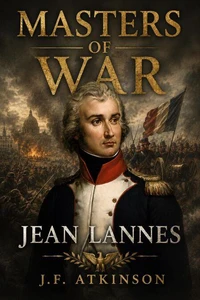
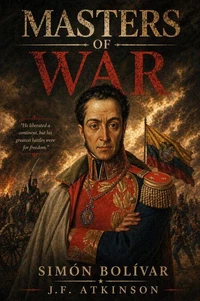
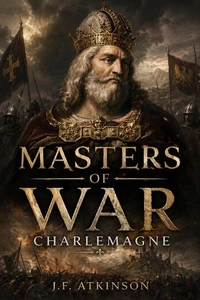
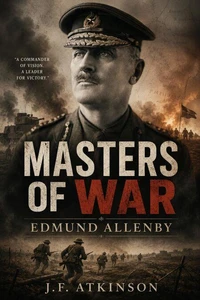
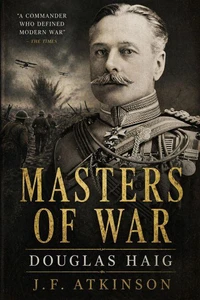
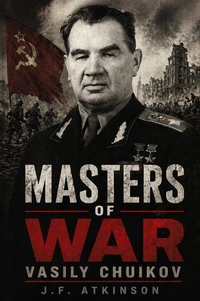
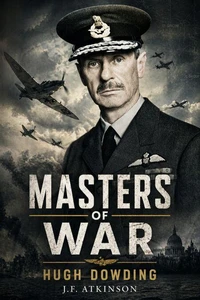
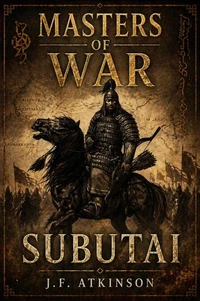
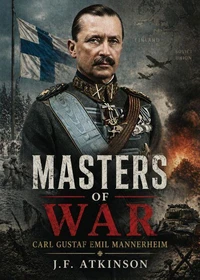
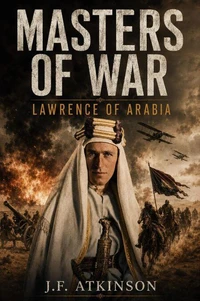
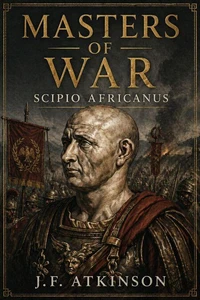
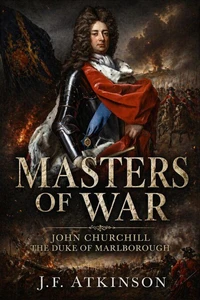
It explores how his strategic vision enabled Prussia's survival while examining how his centralized command style created problems for successors. Part of the Masters of War SeriesThis series examines history's most significant military commanders through objective military analysis, regardless of their political alignment or historical reputation. Each volume combines detailed campaign history with analysis of what made these commanders exceptional and what lessons their careers offer to contemporary military professionals.
The focus is military effectiveness, not moral judgment, understanding how these commanders achieved their results and what principles guided their decisions. Frederick the Great earned his place in this series through tactical brilliance, strategic vision, organizational innovation, and the ability to achieve remarkable results with limited resources. His campaigns have been studied by military professionals for over two centuries because they illuminate fundamental aspects of warfare that transcend specific technological contexts.
This book makes those lessons accessible to modern readers while providing the historical detail necessary to understand Frederick's achievements in their proper context."To study Frederick is to study the art of achieving more with less, a lesson as relevant today as it was in the eighteenth century."
Frederick the Great transformed Prussia from a vulnerable second-tier kingdom into a major European power through military genius, strategic vision, and unwavering determination. Over a forty-six-year reign marked by near-constant warfare, he fought against overwhelming odds, defeated enemies who vastly outnumbered him, and survived a seven-year war that should have destroyed his kingdom. His tactical innovations, particularly the oblique order of battle, became models studied by military professionals for generations.
His campaigns influenced commanders from Napoleon to the architects of modern military doctrine. This volume in the Masters of War series provides a rigorous analysis of Frederick's military career, examining both his remarkable achievements and his significant failures. From the bold seizure of Silesia in 1740 to the desperate struggle for survival during the Seven Years' War, from crushing victories at Rossbach and Leuthen to catastrophic defeat at Kunersdorf, the book presents a complete picture of Frederick as commander, innovator, and strategist.
Frederick's campaigns offer unique insights into military leadership and effectiveness because he operated under severe constraints. Prussia was always outnumbered, always vulnerable, always fighting for survival. Frederick could not win through superior resources or overwhelming force. Instead, he had to achieve victory through superior skill, better training, better tactics, better strategy, and better leadership.
His methods for maximizing limited means through professional excellence remain relevant to any military force facing stronger opponents. The book examines Frederick objectively, neither glorifying his achievements nor ignoring his failures. It analyzes his victories at Rossbach and Leuthen as tactical masterpieces while honestly assessing his defeats at Kolin and Kunersdorf. It acknowledges his brilliance while recognizing his limitations.
It explores how his strategic vision enabled Prussia's survival while examining how his centralized command style created problems for successors. Part of the Masters of War SeriesThis series examines history's most significant military commanders through objective military analysis, regardless of their political alignment or historical reputation. Each volume combines detailed campaign history with analysis of what made these commanders exceptional and what lessons their careers offer to contemporary military professionals.
The focus is military effectiveness, not moral judgment, understanding how these commanders achieved their results and what principles guided their decisions. Frederick the Great earned his place in this series through tactical brilliance, strategic vision, organizational innovation, and the ability to achieve remarkable results with limited resources. His campaigns have been studied by military professionals for over two centuries because they illuminate fundamental aspects of warfare that transcend specific technological contexts.
This book makes those lessons accessible to modern readers while providing the historical detail necessary to understand Frederick's achievements in their proper context."To study Frederick is to study the art of achieving more with less, a lesson as relevant today as it was in the eighteenth century."

 , qui est-ce ?