SOLDES
Jusqu'à -70% sur une sélection d'articles*

Nouveauté
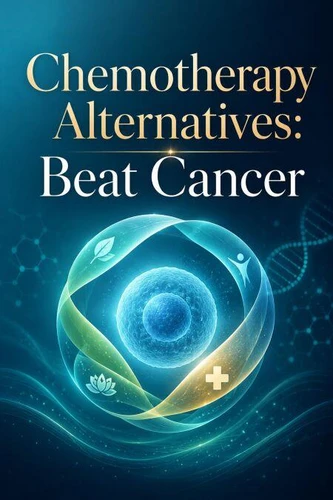
Chemotherapy Alternatives: Beat Cancer
Par :Formats :
Disponible dans votre compte client Decitre ou Furet du Nord dès validation de votre commande. Le format ePub est :
- Compatible avec une lecture sur My Vivlio (smartphone, tablette, ordinateur)
- Compatible avec une lecture sur liseuses Vivlio
- Pour les liseuses autres que Vivlio, vous devez utiliser le logiciel Adobe Digital Edition. Non compatible avec la lecture sur les liseuses Kindle, Remarkable et Sony
 , qui est-ce ?
Notre partenaire de plateforme de lecture numérique où vous retrouverez l'ensemble de vos ebooks gratuitement
Pour en savoir plus sur nos ebooks, consultez notre aide en ligne ici
C'est si simple ! Lisez votre ebook avec l'app Vivlio sur votre tablette, mobile ou ordinateur :

- FormatePub
- ISBN8235086715
- EAN9798235086715
- Date de parution19/05/2026
- Protection num.pas de protection
- Infos supplémentairesepub
- ÉditeurIoakim Ioakim
Résumé
Chemotherapy Alternatives: Beat Cancer is a thoughtful, compassionate, and medically responsible guide for readers who wish to understand the wider world of cancer treatment beyond chemotherapy. Written in clear and bookish language, this book does not reject chemotherapy or modern medicine. Instead, it explains that cancer care is not limited to one method, one medicine, or one path. Every cancer is different, and every patient deserves to understand the treatment choices available according to cancer type, stage, biomarkers, health condition, and medical guidance.
The book begins by helping readers understand what cancer truly is, how it grows, spreads, and behaves, and why accurate diagnosis is the foundation of every treatment decision. It explains the role, power, and limitations of chemotherapy so that readers can approach it with knowledge rather than fear. From there, the book carefully explores the meaning of "alternatives" in cancer care, separating medically valid options from dangerous false promises.
Readers are guided through major non-chemotherapy treatments such as surgery, radiation therapy, immunotherapy, targeted therapy, hormone therapy, and clinical trials. Each chapter explains how these treatments work, when they may be useful, what benefits they may offer, and what limitations or side effects patients should understand. The book emphasizes that true cancer care is personal, evidence-based, and guided by trained oncology professionals.
Beyond medical treatment, Chemotherapy Alternatives: Beat Cancer also focuses on the whole person. It discusses nutrition during cancer, not as a miracle cure, but as a vital support for strength, healing, and treatment tolerance. It explores exercise, movement, and rehabilitation as ways to preserve function, reduce weakness, and rebuild confidence. The book also gives deep attention to emotional strength, mind-body healing, counseling, prayer, meditation, journaling, support groups, and the importance of hope rooted in truth.
Special chapters address pain relief, palliative care, herbs, supplements, and natural claims. The book strongly warns against unproven cancer cures, miracle products, secret formulas, extreme diets, and unsafe supplement use. At the same time, it respects safe complementary care when used responsibly alongside medical treatment. It teaches readers how to ask better questions, identify red flags, and protect themselves from misinformation.
The final chapters guide patients and families in building an integrative cancer care team and creating a personal cancer battle plan. This includes organizing medical records, understanding treatment goals, preparing for side effects, planning nutrition and movement, seeking emotional support, managing finances, and knowing when to ask for second opinions. This book is ideal for cancer patients, caregivers, families, students, and general readers who want a clear, balanced, and hopeful understanding of cancer care beyond chemotherapy.
Its central message is powerful: fight cancer bravely, but fight it wisely. True hope is not found in fear or false promises, but in knowledge, evidence, medical partnership, safe support, and the unbroken dignity of the human spirit.
The book begins by helping readers understand what cancer truly is, how it grows, spreads, and behaves, and why accurate diagnosis is the foundation of every treatment decision. It explains the role, power, and limitations of chemotherapy so that readers can approach it with knowledge rather than fear. From there, the book carefully explores the meaning of "alternatives" in cancer care, separating medically valid options from dangerous false promises.
Readers are guided through major non-chemotherapy treatments such as surgery, radiation therapy, immunotherapy, targeted therapy, hormone therapy, and clinical trials. Each chapter explains how these treatments work, when they may be useful, what benefits they may offer, and what limitations or side effects patients should understand. The book emphasizes that true cancer care is personal, evidence-based, and guided by trained oncology professionals.
Beyond medical treatment, Chemotherapy Alternatives: Beat Cancer also focuses on the whole person. It discusses nutrition during cancer, not as a miracle cure, but as a vital support for strength, healing, and treatment tolerance. It explores exercise, movement, and rehabilitation as ways to preserve function, reduce weakness, and rebuild confidence. The book also gives deep attention to emotional strength, mind-body healing, counseling, prayer, meditation, journaling, support groups, and the importance of hope rooted in truth.
Special chapters address pain relief, palliative care, herbs, supplements, and natural claims. The book strongly warns against unproven cancer cures, miracle products, secret formulas, extreme diets, and unsafe supplement use. At the same time, it respects safe complementary care when used responsibly alongside medical treatment. It teaches readers how to ask better questions, identify red flags, and protect themselves from misinformation.
The final chapters guide patients and families in building an integrative cancer care team and creating a personal cancer battle plan. This includes organizing medical records, understanding treatment goals, preparing for side effects, planning nutrition and movement, seeking emotional support, managing finances, and knowing when to ask for second opinions. This book is ideal for cancer patients, caregivers, families, students, and general readers who want a clear, balanced, and hopeful understanding of cancer care beyond chemotherapy.
Its central message is powerful: fight cancer bravely, but fight it wisely. True hope is not found in fear or false promises, but in knowledge, evidence, medical partnership, safe support, and the unbroken dignity of the human spirit.
A propos de Dilip Kumar Agrawal



2,99 €

2,99 €

2,99 €

2,99 €



2,99 €

2,99 €

2,99 €

2,99 €

2,99 €

2,99 €

2,99 €



2,99 €