SOLDES
Jusqu'à -70% sur une sélection d'articles*

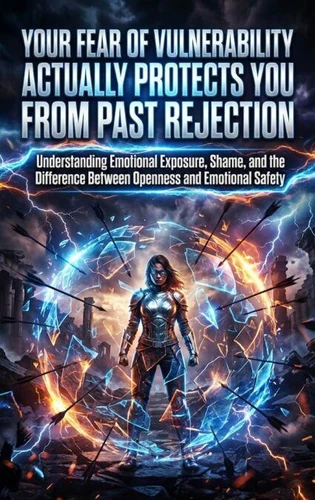
Your Fear of Vulnerability Actually Protects You From Past Rejection. Understanding Emotional Exposure, Shame, and the Difference Between Openness and Emotional Safety
Par :Formats :
Disponible dans votre compte client Decitre ou Furet du Nord dès validation de votre commande. Le format ePub est :
- Compatible avec une lecture sur My Vivlio (smartphone, tablette, ordinateur)
- Compatible avec une lecture sur liseuses Vivlio
- Pour les liseuses autres que Vivlio, vous devez utiliser le logiciel Adobe Digital Edition. Non compatible avec la lecture sur les liseuses Kindle, Remarkable et Sony
 , qui est-ce ?
Notre partenaire de plateforme de lecture numérique où vous retrouverez l'ensemble de vos ebooks gratuitement
Pour en savoir plus sur nos ebooks, consultez notre aide en ligne ici
C'est si simple ! Lisez votre ebook avec l'app Vivlio sur votre tablette, mobile ou ordinateur :

- Nombre de pages197
- FormatePub
- ISBN978-3-565-20821-0
- EAN9783565208210
- Date de parution29/01/2026
- Protection num.pas de protection
- Taille2 Mo
- Infos supplémentairesepub
- ÉditeurEmphaloz Publishing House
Résumé
This book explores vulnerability not as a virtue to cultivate through courage alone, but as a risk your nervous system assesses based on past experiences of being seen and rejected. It examines the patterns beneath emotional guardedness, oversharing, and the fear of authentic self-expression, reframing vulnerability as intelligent discernment about who earns access to your inner world.
Rather than prescribing vulnerability as the path to connection or encouraging blanket openness, this book invites you to understand what your body remembers about past moments of exposure-times when showing your true self led to shame, dismissal, or abandonment.
It explores the difference between vulnerability that deepens mutual trust and vulnerability that recreates old wounds with unsafe people. Through psychological insight into shame, emotional risk assessment, and the nervous system's role in intimacy, this book offers a compassionate alternative to the cultural pressure to be perpetually open. It examines how genuine vulnerability requires first recognizing who has demonstrated the capacity to hold what you share with care, and why sometimes protection isn't defensiveness-it's wisdom learned through experience.
The goal isn't becoming fearlessly vulnerable-it's developing discernment about when emotional exposure serves connection versus when it honors self-protection.
It explores the difference between vulnerability that deepens mutual trust and vulnerability that recreates old wounds with unsafe people. Through psychological insight into shame, emotional risk assessment, and the nervous system's role in intimacy, this book offers a compassionate alternative to the cultural pressure to be perpetually open. It examines how genuine vulnerability requires first recognizing who has demonstrated the capacity to hold what you share with care, and why sometimes protection isn't defensiveness-it's wisdom learned through experience.
The goal isn't becoming fearlessly vulnerable-it's developing discernment about when emotional exposure serves connection versus when it honors self-protection.
A propos de Sofia Lane















8,49 €