SOLDES
Jusqu'à -70% sur une sélection d'articles*

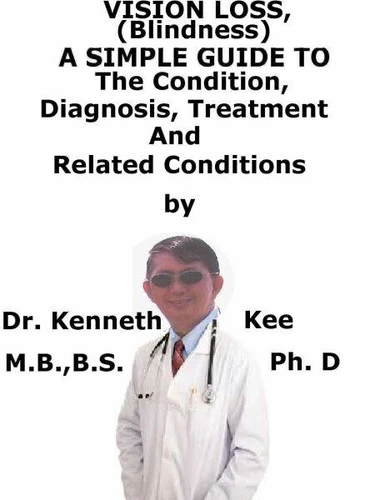
Vision Loss (Blindness), A Simple Guide To The Condition, Diagnosis, Treatment And Related Conditions
Par :Formats :
Disponible dans votre compte client Decitre ou Furet du Nord dès validation de votre commande. Le format ePub est :
- Compatible avec une lecture sur My Vivlio (smartphone, tablette, ordinateur)
- Compatible avec une lecture sur liseuses Vivlio
- Pour les liseuses autres que Vivlio, vous devez utiliser le logiciel Adobe Digital Edition. Non compatible avec la lecture sur les liseuses Kindle, Remarkable et Sony
 , qui est-ce ?
Notre partenaire de plateforme de lecture numérique où vous retrouverez l'ensemble de vos ebooks gratuitement
Pour en savoir plus sur nos ebooks, consultez notre aide en ligne ici
C'est si simple ! Lisez votre ebook avec l'app Vivlio sur votre tablette, mobile ou ordinateur :

- FormatePub
- ISBN978-1-370-94331-9
- EAN9781370943319
- Date de parution22/12/2016
- Protection num.pas de protection
- Infos supplémentairesepub
- ÉditeurEditeurs divers USA
Résumé
Vision Loss (Blindness) is medical disorder that indicates the partial or complete loss of vision. This vision loss may happen spontaneously or over duration of time. Some forms of vision loss never result in complete blindnessComplete Vision Loss (Blindness) is the eyes having lost the ability to see. It may also indicate a loss of vision that cannot be cured with glasses or contact lenses. Partial blindness suggests that the patient has very limited vision.
Complete blindness indicates the patient cannot see anything and do not see light.(Most people who use the term "blindness" indicate complete blindness.)People with vision that is worse than 20/200 with glasses or contact lenses are regarded legally blind in most states in the USA. Vision Loss (Blindness) has many causes:1. Accidents or damages to the surface of the eye (chemical burns or sports injuries)2.
Diabetes3. Glaucoma4. Macular degenerationThe forms of partial vision loss may vary:1. With cataracts, vision may be fuzzy or cloudy, and bright light may produce glare2. With diabetes, vision may be not clear or blurred; there may be missing areas of vision or shadows, and problems seeing at night3. With glaucoma, there may be loss of peripheral areas of vision leading to tunnel vision4. With macular degeneration, the peripheral vision is normal but the central vision is gradually lostVision loss is diagnosed by:1.
Visual acuity test2. Visual field test3. Tonometry testTreatment:When the patient has low vision, the patient may have difficulty driving, reading, or doing small work such as sewing or making crafts.1. Blindness due to some causes such as infection, Vitamin A deficiency or glaucoma can be avoided through early detection and proper treatment.2. Even though vision loss cannot be recovered, but medical and surgical treatment can help the disease from further becoming worseTreatment for Impending Blindness1.
Surgery for removal of cataract (clouded lens) with intra-ocular plastic lens2. Laser surgery for retinopathy3. Injection for Aged Macular Degeneration4. Bionic eye technology5. KAMRA, a thin ring inserted in the cornea, improves the vision of people with aging eyes.6. Osteo-odonto-keratoprosthesis (OOKP) restore vision in the most severe cases of corneal injury. Coping with blindness:BrailleLong white caneGuide dogsTABLE OF CONTENTIntroductionChapter 1 Vision Loss (Blindness)Chapter 2 CauseChapter 3 SymptomsChapter 4 DiagnosisChapter 5 TreatmentChapter 6 PrognosisChapter 7 GlaucomaChapter 8 Macular DegenerationEpilogue
Complete blindness indicates the patient cannot see anything and do not see light.(Most people who use the term "blindness" indicate complete blindness.)People with vision that is worse than 20/200 with glasses or contact lenses are regarded legally blind in most states in the USA. Vision Loss (Blindness) has many causes:1. Accidents or damages to the surface of the eye (chemical burns or sports injuries)2.
Diabetes3. Glaucoma4. Macular degenerationThe forms of partial vision loss may vary:1. With cataracts, vision may be fuzzy or cloudy, and bright light may produce glare2. With diabetes, vision may be not clear or blurred; there may be missing areas of vision or shadows, and problems seeing at night3. With glaucoma, there may be loss of peripheral areas of vision leading to tunnel vision4. With macular degeneration, the peripheral vision is normal but the central vision is gradually lostVision loss is diagnosed by:1.
Visual acuity test2. Visual field test3. Tonometry testTreatment:When the patient has low vision, the patient may have difficulty driving, reading, or doing small work such as sewing or making crafts.1. Blindness due to some causes such as infection, Vitamin A deficiency or glaucoma can be avoided through early detection and proper treatment.2. Even though vision loss cannot be recovered, but medical and surgical treatment can help the disease from further becoming worseTreatment for Impending Blindness1.
Surgery for removal of cataract (clouded lens) with intra-ocular plastic lens2. Laser surgery for retinopathy3. Injection for Aged Macular Degeneration4. Bionic eye technology5. KAMRA, a thin ring inserted in the cornea, improves the vision of people with aging eyes.6. Osteo-odonto-keratoprosthesis (OOKP) restore vision in the most severe cases of corneal injury. Coping with blindness:BrailleLong white caneGuide dogsTABLE OF CONTENTIntroductionChapter 1 Vision Loss (Blindness)Chapter 2 CauseChapter 3 SymptomsChapter 4 DiagnosisChapter 5 TreatmentChapter 6 PrognosisChapter 7 GlaucomaChapter 8 Macular DegenerationEpilogue
A propos de Kenneth Kee
4,49 €