SOLDES
Jusqu'à -70% sur une sélection d'articles*

A Simple Guide to Postural Tachycardia Syndrome, Diagnosis, Treatment and Related Conditions
Par :Formats :
Disponible dans votre compte client Decitre ou Furet du Nord dès validation de votre commande. Le format ePub est :
- Compatible avec une lecture sur My Vivlio (smartphone, tablette, ordinateur)
- Compatible avec une lecture sur liseuses Vivlio
- Pour les liseuses autres que Vivlio, vous devez utiliser le logiciel Adobe Digital Edition. Non compatible avec la lecture sur les liseuses Kindle, Remarkable et Sony
 , qui est-ce ?
Notre partenaire de plateforme de lecture numérique où vous retrouverez l'ensemble de vos ebooks gratuitement
Pour en savoir plus sur nos ebooks, consultez notre aide en ligne ici
C'est si simple ! Lisez votre ebook avec l'app Vivlio sur votre tablette, mobile ou ordinateur :

- FormatePub
- ISBN8215711880
- EAN9798215711880
- Date de parution07/07/2023
- Protection num.pas de protection
- Infos supplémentairesepub
- ÉditeurWMG Publishing
Résumé
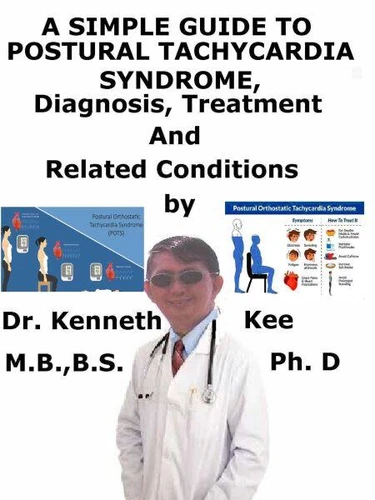
This book describes Postural tachycardia syndrome, Diagnosis and Treatment and Related Diseases which is seen in some of my patients in my Family Clinic."My heart beats very fast when I stand to greet my fair lady so let me sit or lie down before I faint"That sums up what postural tachycardia is about. Postural tachycardia syndrome (POTS) is now recognized to be fairly common disorder which has treatment methods that can result in a considerable improvement in the quality of life.
Postural tachycardia syndrome (POTS) is a common disorder characterized by an abnormal increase in heart rate (tachycardia) upon standing up but often misdiagnosed. Generally when a person stands up, blood vessels in the lower body constrict to prevent blood from pooling in the legs and maintain blood flow to the brain. This disorder also known as postural orthostatic tachycardia syndrome is linked with a wide range of symptoms that can affect a person's quality of life.
In persons with POTS, this autonomic nervous system reaction does not function properly, leading to inadequate blood flow to the brain and compensatory increases in heart rate. This branch of the nervous system controls functions that people do not consciously regulate such as heart rate, blood pressure, body temperature and sweating. Postural tachycardia syndrome symptoms begin from a combination of these:Lower amount of blood in the circulationExcessive drop of blood volume below the level of the heart when uprightElevated levels of certain hormones such as epinephrine and nor-epinephrine.
When a person stands, the force of gravity draws more blood into the lower half of the body. In a healthy person, the body triggers several nervous system reactions to ensure that an adequate quantity of blood reaches the brain. One such reaction is releasing epinephrine and nor-epinephrine that help constrict blood vessels and induce a rise in heart rate resulting in a better blood flow to the heart and brain.
Once the brain has received sufficient blood and oxygen, the nervous system reactions go back to normal. In people with postural tachycardia syndrome, the blood vessels do not react effectively to the signal to constrict for reasons that may differ from person to person. As a result, the longer the person is upright, the more blood drops down the lower half of the body. This stops adequate blood going back to the brain which can be sensed as lightheadedness, brain fog and fatigue.
The epinephrine and nor-epinephrine may produce tremors, forceful or skipped heartbeats and chest pain. Some people with postural tachycardia syndrome can have a drop in blood pressure (hypotension) with extended standing (more than 3 minutes upright). The precise causes of POTS are not fully known, and it can be a complicated and multi-factorial disorderThe head-up tilt table (HUT) with non-invasive hemodynamic monitoring is the gold standard for evaluating orthostatic intolerance in POTS.
POTS patients will normally have an increase in heart rate of >30 beats per minute in response to the tilt testing. Treatment for POTS focuses on symptom management and improving quality of life. Lifestyle modifications:Drinking plenty of fluids, increasing salt intake and gradually increasing physical activity levelsMedicines:Beta-blockers, fludrocortisone, and other medicines may be prescribed to help regulate heart rate and blood pressure.
Psychological support:Counseling or therapy to treat anxiety, depression, and coping with chronic illness. TABLE OF CONTENTIntroductionChapter 1 Postural Tachycardia SyndromeChapter 2 CauseChapter 3 SymptomsChapter 4 DiagnosisChapter 5 TreatmentChapter 6 PrognosisChapter 7 Poor Posture...
Postural tachycardia syndrome (POTS) is a common disorder characterized by an abnormal increase in heart rate (tachycardia) upon standing up but often misdiagnosed. Generally when a person stands up, blood vessels in the lower body constrict to prevent blood from pooling in the legs and maintain blood flow to the brain. This disorder also known as postural orthostatic tachycardia syndrome is linked with a wide range of symptoms that can affect a person's quality of life.
In persons with POTS, this autonomic nervous system reaction does not function properly, leading to inadequate blood flow to the brain and compensatory increases in heart rate. This branch of the nervous system controls functions that people do not consciously regulate such as heart rate, blood pressure, body temperature and sweating. Postural tachycardia syndrome symptoms begin from a combination of these:Lower amount of blood in the circulationExcessive drop of blood volume below the level of the heart when uprightElevated levels of certain hormones such as epinephrine and nor-epinephrine.
When a person stands, the force of gravity draws more blood into the lower half of the body. In a healthy person, the body triggers several nervous system reactions to ensure that an adequate quantity of blood reaches the brain. One such reaction is releasing epinephrine and nor-epinephrine that help constrict blood vessels and induce a rise in heart rate resulting in a better blood flow to the heart and brain.
Once the brain has received sufficient blood and oxygen, the nervous system reactions go back to normal. In people with postural tachycardia syndrome, the blood vessels do not react effectively to the signal to constrict for reasons that may differ from person to person. As a result, the longer the person is upright, the more blood drops down the lower half of the body. This stops adequate blood going back to the brain which can be sensed as lightheadedness, brain fog and fatigue.
The epinephrine and nor-epinephrine may produce tremors, forceful or skipped heartbeats and chest pain. Some people with postural tachycardia syndrome can have a drop in blood pressure (hypotension) with extended standing (more than 3 minutes upright). The precise causes of POTS are not fully known, and it can be a complicated and multi-factorial disorderThe head-up tilt table (HUT) with non-invasive hemodynamic monitoring is the gold standard for evaluating orthostatic intolerance in POTS.
POTS patients will normally have an increase in heart rate of >30 beats per minute in response to the tilt testing. Treatment for POTS focuses on symptom management and improving quality of life. Lifestyle modifications:Drinking plenty of fluids, increasing salt intake and gradually increasing physical activity levelsMedicines:Beta-blockers, fludrocortisone, and other medicines may be prescribed to help regulate heart rate and blood pressure.
Psychological support:Counseling or therapy to treat anxiety, depression, and coping with chronic illness. TABLE OF CONTENTIntroductionChapter 1 Postural Tachycardia SyndromeChapter 2 CauseChapter 3 SymptomsChapter 4 DiagnosisChapter 5 TreatmentChapter 6 PrognosisChapter 7 Poor Posture...
A propos de Kenneth Kee

4,49 €