SOLDES
Jusqu'à -70% sur une sélection d'articles*

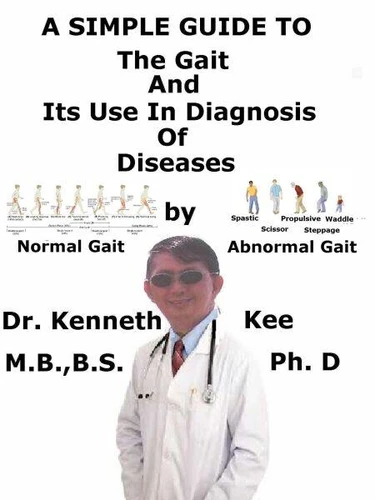
A Simple Guide to the Gait and Its Use in Diagnosis of Diseases
Par :Formats :
Disponible dans votre compte client Decitre ou Furet du Nord dès validation de votre commande. Le format ePub est :
- Compatible avec une lecture sur My Vivlio (smartphone, tablette, ordinateur)
- Compatible avec une lecture sur liseuses Vivlio
- Pour les liseuses autres que Vivlio, vous devez utiliser le logiciel Adobe Digital Edition. Non compatible avec la lecture sur les liseuses Kindle, Remarkable et Sony
 , qui est-ce ?
Notre partenaire de plateforme de lecture numérique où vous retrouverez l'ensemble de vos ebooks gratuitement
Pour en savoir plus sur nos ebooks, consultez notre aide en ligne ici
C'est si simple ! Lisez votre ebook avec l'app Vivlio sur votre tablette, mobile ou ordinateur :

- FormatePub
- ISBN8201454685
- EAN9798201454685
- Date de parution01/12/2023
- Protection num.pas de protection
- Infos supplémentairesepub
- ÉditeurJL
Résumé
This book describes the Gait and the its uses in the diagnosis of diseases such as Stroke, Cerebral Palsy, Parkinsonism, and other Gait Diseases which are seen in some of my patients in my Family Clinic."Elementary, My dear Watson"-Sherlock Holmes on his observation of the gait of suspected villainsSherlock Holmes, the fictional detective created by Sir Arthur Conan Doyle, was known for his keen powers of observation and deduction.
In several of the Sherlock Holmes stories, Holmes demonstrates his ability to deduce information about a person based on their gait, or the way they walk. Holmes believed that a person's gait could reveal a great deal about them such as their occupation, habits and even their emotional state. He would often make detailed observations about a person's stride, posture, and the way they carried themselves.
Holmes could often deduce a person's occupation based on their gait. As an example, a soldier might have a distinct military stride, while a laborer could have a different way of walking that indicated physical labor. Holmes was also able to make inferences about a person's health and habits based on their gait. Holmes believed that a person's emotional state could influence their gait. Stress, fear, or excitement might manifest in subtle changes in the way a person walked.
In some cases, Holmes could deduce a person's background and upbringing based on their gait. He was particularly adept at noticing subtle cues that revealed a person's social class or education. Last week I was resting on a deckchair on a cruise ship observing the people walking past me. Toddlers walk slowly and carefully stumbling from 1 place to another. Young children will walk fast or skip past quickly especially when they are happy.
Female children will walk with smaller steps compared to male children. Taller children will walk faster than shorter due to their longer stride. Arm swinging slows down the speed of their walk. Some adults walked leisurely while others walked fast. An adult person may walk with a limp or with a walking stick due to injury or after a leg operationSome older person may walk past with shuffling steps possibly due to Parkinson diseaseHe or she may walk with a quick shuffle or rapid small stepsThen there is an older person walking past holding the arm to one side and dragging the same side of the leg along in a semicircle.
These people most likely have a previous stroke. Occasionally I also saw a person who lifted their legs with each step as he or she walked past. This can be due to a weak foot or a foot drop. Occasionally a fat person may walk past with excessive up and down movements of the hips resulting in a waddling gaitA blind person may walk with his or her white walking cane tapping the ground in front and around the person before moving forward.
The Gait is how a person walks. Watching a patient walk is one of the most important parts of a medical physical examination. Observation of the gait can give information that may provide clues to diagnosis about the underlying musculoskeletal and neurological disorders that produce the gait. TABLE OF CONTENTIntroductionChapter 1 The GaitChapter 2 Abnormal GaitChapter 3 Causes of Gait DisordersChapter 4 Diagnosis of Gait DisordersChapter 5 Types of Gait DisordersChapter 6 Treatment of Gait DisordersChapter 7 Parkinson's DiseaseChapter 8 Cerebral PalsyEpilogue
In several of the Sherlock Holmes stories, Holmes demonstrates his ability to deduce information about a person based on their gait, or the way they walk. Holmes believed that a person's gait could reveal a great deal about them such as their occupation, habits and even their emotional state. He would often make detailed observations about a person's stride, posture, and the way they carried themselves.
Holmes could often deduce a person's occupation based on their gait. As an example, a soldier might have a distinct military stride, while a laborer could have a different way of walking that indicated physical labor. Holmes was also able to make inferences about a person's health and habits based on their gait. Holmes believed that a person's emotional state could influence their gait. Stress, fear, or excitement might manifest in subtle changes in the way a person walked.
In some cases, Holmes could deduce a person's background and upbringing based on their gait. He was particularly adept at noticing subtle cues that revealed a person's social class or education. Last week I was resting on a deckchair on a cruise ship observing the people walking past me. Toddlers walk slowly and carefully stumbling from 1 place to another. Young children will walk fast or skip past quickly especially when they are happy.
Female children will walk with smaller steps compared to male children. Taller children will walk faster than shorter due to their longer stride. Arm swinging slows down the speed of their walk. Some adults walked leisurely while others walked fast. An adult person may walk with a limp or with a walking stick due to injury or after a leg operationSome older person may walk past with shuffling steps possibly due to Parkinson diseaseHe or she may walk with a quick shuffle or rapid small stepsThen there is an older person walking past holding the arm to one side and dragging the same side of the leg along in a semicircle.
These people most likely have a previous stroke. Occasionally I also saw a person who lifted their legs with each step as he or she walked past. This can be due to a weak foot or a foot drop. Occasionally a fat person may walk past with excessive up and down movements of the hips resulting in a waddling gaitA blind person may walk with his or her white walking cane tapping the ground in front and around the person before moving forward.
The Gait is how a person walks. Watching a patient walk is one of the most important parts of a medical physical examination. Observation of the gait can give information that may provide clues to diagnosis about the underlying musculoskeletal and neurological disorders that produce the gait. TABLE OF CONTENTIntroductionChapter 1 The GaitChapter 2 Abnormal GaitChapter 3 Causes of Gait DisordersChapter 4 Diagnosis of Gait DisordersChapter 5 Types of Gait DisordersChapter 6 Treatment of Gait DisordersChapter 7 Parkinson's DiseaseChapter 8 Cerebral PalsyEpilogue
A propos de Kenneth Kee
4,49 €