SOLDES
Jusqu'à -70% sur une sélection d'articles*

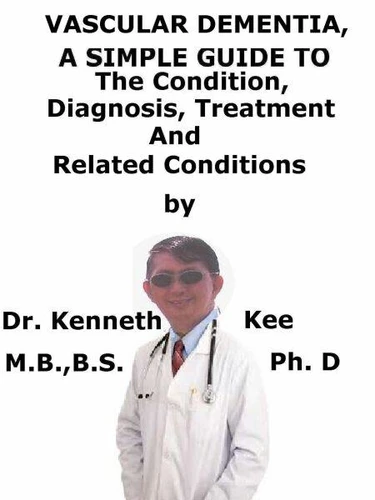
Vascular Dementia, A Simple Guide To The Condition, Diagnosis, Treatment And Related Conditions
Par :Formats :
Disponible dans votre compte client Decitre ou Furet du Nord dès validation de votre commande. Le format ePub est :
- Compatible avec une lecture sur My Vivlio (smartphone, tablette, ordinateur)
- Compatible avec une lecture sur liseuses Vivlio
- Pour les liseuses autres que Vivlio, vous devez utiliser le logiciel Adobe Digital Edition. Non compatible avec la lecture sur les liseuses Kindle, Remarkable et Sony
 , qui est-ce ?
Notre partenaire de plateforme de lecture numérique où vous retrouverez l'ensemble de vos ebooks gratuitement
Pour en savoir plus sur nos ebooks, consultez notre aide en ligne ici
C'est si simple ! Lisez votre ebook avec l'app Vivlio sur votre tablette, mobile ou ordinateur :

- FormatePub
- ISBN978-0-463-30362-7
- EAN9780463303627
- Date de parution06/06/2019
- Protection num.pas de protection
- Infos supplémentairesepub
- ÉditeurBluewater
Résumé
This book describes Vascular Dementia, Diagnosis and Treatment and Related DiseasesVascular dementia is a medical disorder that produces problems with reasoning, planning, judgment, memory and other thought processes caused by brain injury from impaired blood flow to the brain. The patient can develop vascular dementia after a stroke obstructs an artery in the brain, but strokes do not always produce vascular dementia.
Factors that raise the risk of heart disease and stroke such as diabetes, high blood pressure, high cholesterol and smoking also increase the vascular dementia risk. Regulating these factors may help reduce the chances of forming vascular dementia. Frequent disorders that may cause vascular dementia are:1. Stroke (infarction) obstructing a brain artery2. Narrowed or chronically damaged brain blood vesselsThese disorders are the wear and tear linked with aging, high blood pressure, abnormal aging of blood vessels (atherosclerosis), diabetes, and brain hemorrhage.
SymptomsVascular dementia signs and symptoms are:1. Confusion2. Trouble paying attention and concentrating3. Reduced ability to organize thoughts or actions4. Decline in ability to analyze a situation, develop an effective plan and communicate that plan to others5. Difficulty deciding what to do next6. Problems with memoryDiagnosisDoctors can nearly always diagnose that the patient has dementia, but there is no specific test that verifies the patient has vascular dementia.
The doctor will have to make a judgment about whether vascular dementia is the most likely cause of the symptoms based on the information the patient suppliesImages of the brain with CT and MRI scans can pin down visible abnormalities produced by strokes, blood vessel diseases, tumors or trauma that may cause alterations in thinking and reasoningCarotid ultrasound can detect the movement of blood through the arteriesNeuropsychological tests assess:1.
Speak, write and understand language2. Work with numbers3. Learn and remember information4. Develop a plan of attack and solve a problem5. Respond effectively to hypothetical situationsPeople with vascular dementia may have an exceptionally hard time analyzing a problem and forming an effective solutionTreatmentTreatment often directs on treating the health disorders and risk factors that add to vascular dementia.
Regulating disorders that affect the underlying condition of the heart and blood vessels can occasionally decrease the rate at which vascular dementia gets worsePeople with any type of dementia and their caregivers whether it is vascular dementia or Alzheimer's disease have a mixture of emotions, such as confusion, frustration, anger, fear, uncertainty, grief and depressionVascular Dementia is the second most common dementia after Alzheimer Disease.
It is one of the few reversible dementia that may be improved with early diagnosis and treatmentThe risk of Vascular dementia may be reduced by preventing strokes through:Treatment of underlying vascular causes1. Lower the blood pressure2. Reduce the cholesterol level3. Prevent the blood from clotting and keep the arteries clear4. Help control the blood sugar if the patient has diabetesLifestyle and home remediesThough these have not been proved to change the course of vascular dementia, the doctor will likely advise that the patient:1.
Do regular physical activity2. Eat healthy3. Try to maintain a normal weight4. Engage in social activities5. Challenge the brain with games, puzzles and new activities, such as an art class or listening to new music6. Stop smokingSome medicines may help reduce the brain deterioration rateTABLE OF CONTENTIntroductionChapter 1 Vascular DementiaChapter 2 CausesChapter 3 Symptoms...
Factors that raise the risk of heart disease and stroke such as diabetes, high blood pressure, high cholesterol and smoking also increase the vascular dementia risk. Regulating these factors may help reduce the chances of forming vascular dementia. Frequent disorders that may cause vascular dementia are:1. Stroke (infarction) obstructing a brain artery2. Narrowed or chronically damaged brain blood vesselsThese disorders are the wear and tear linked with aging, high blood pressure, abnormal aging of blood vessels (atherosclerosis), diabetes, and brain hemorrhage.
SymptomsVascular dementia signs and symptoms are:1. Confusion2. Trouble paying attention and concentrating3. Reduced ability to organize thoughts or actions4. Decline in ability to analyze a situation, develop an effective plan and communicate that plan to others5. Difficulty deciding what to do next6. Problems with memoryDiagnosisDoctors can nearly always diagnose that the patient has dementia, but there is no specific test that verifies the patient has vascular dementia.
The doctor will have to make a judgment about whether vascular dementia is the most likely cause of the symptoms based on the information the patient suppliesImages of the brain with CT and MRI scans can pin down visible abnormalities produced by strokes, blood vessel diseases, tumors or trauma that may cause alterations in thinking and reasoningCarotid ultrasound can detect the movement of blood through the arteriesNeuropsychological tests assess:1.
Speak, write and understand language2. Work with numbers3. Learn and remember information4. Develop a plan of attack and solve a problem5. Respond effectively to hypothetical situationsPeople with vascular dementia may have an exceptionally hard time analyzing a problem and forming an effective solutionTreatmentTreatment often directs on treating the health disorders and risk factors that add to vascular dementia.
Regulating disorders that affect the underlying condition of the heart and blood vessels can occasionally decrease the rate at which vascular dementia gets worsePeople with any type of dementia and their caregivers whether it is vascular dementia or Alzheimer's disease have a mixture of emotions, such as confusion, frustration, anger, fear, uncertainty, grief and depressionVascular Dementia is the second most common dementia after Alzheimer Disease.
It is one of the few reversible dementia that may be improved with early diagnosis and treatmentThe risk of Vascular dementia may be reduced by preventing strokes through:Treatment of underlying vascular causes1. Lower the blood pressure2. Reduce the cholesterol level3. Prevent the blood from clotting and keep the arteries clear4. Help control the blood sugar if the patient has diabetesLifestyle and home remediesThough these have not been proved to change the course of vascular dementia, the doctor will likely advise that the patient:1.
Do regular physical activity2. Eat healthy3. Try to maintain a normal weight4. Engage in social activities5. Challenge the brain with games, puzzles and new activities, such as an art class or listening to new music6. Stop smokingSome medicines may help reduce the brain deterioration rateTABLE OF CONTENTIntroductionChapter 1 Vascular DementiaChapter 2 CausesChapter 3 Symptoms...
A propos de Kenneth Kee
4,49 €