SOLDES
Jusqu'à -70% sur une sélection d'articles*

Thyroid Gland And Diseases, A Simple Guide To The Condition, Diagnosis, Treatment And Related Conditions
Par :Formats :
Disponible dans votre compte client Decitre ou Furet du Nord dès validation de votre commande. Le format ePub est :
- Compatible avec une lecture sur My Vivlio (smartphone, tablette, ordinateur)
- Compatible avec une lecture sur liseuses Vivlio
- Pour les liseuses autres que Vivlio, vous devez utiliser le logiciel Adobe Digital Edition. Non compatible avec la lecture sur les liseuses Kindle, Remarkable et Sony
 , qui est-ce ?
Notre partenaire de plateforme de lecture numérique où vous retrouverez l'ensemble de vos ebooks gratuitement
Pour en savoir plus sur nos ebooks, consultez notre aide en ligne ici
C'est si simple ! Lisez votre ebook avec l'app Vivlio sur votre tablette, mobile ou ordinateur :

- FormatePub
- ISBN978-0-463-41900-7
- EAN9780463419007
- Date de parution25/12/2018
- Protection num.pas de protection
- Infos supplémentairesepub
- ÉditeurBluewater
Résumé
This book describes Thyroid and Diseases, Diagnosis and Treatment and Related DiseaseThe thyroid is the gland in the center of the neckWhen a person is tired and fat, it is usually thyroid hormones she lackShe will feel cold and has a large protuberant tongueThere will slow movements and thoughts out frontThere may also be enlargement of the thyroid glandThere will dry coarse skin and unusual weight gainThe most common cause is due to autoimmune diseaseIt us more common in women who are of middle ageDiagnosis is by the detection of low thyroxine and antithyroid antibodiesTreatment is with thyroid replacement therapy.
Treatment is usually with synthetic thyroxineTo be taken orally for life. No need for iodine.-An original poem by Kenneth KeeThe thyroid has an important part in regulating the body's metabolism and calcium balance. Abnormal rise in thyroid hormone is termed thyrotoxicosis or hyperthyroidism and reduced thyroid function is termed myxoedema or hypothyroidism. An overactive (hyperthyroidism) or underactive (hypothyroidism) thyroid can cause more allergies, skin disorders, fatigue, nervousness, gastrointestinal disorders, sleeping too much or too little, gaining or losing weight, swelling, and different types of pain.
Knowledge about the thyroid, and the symptoms that happen when something goes wrong with this small gland, can help to defend or regain good health. It is a concern that is frequent, can involve the overall health, and is very important. Women are at the highest risk of forming thyroid disorders (seven times more often than men). A woman faces as high as 20% chance of developing thyroid disorders during her lifetime, a risk that rises with age, and for those with a family history of thyroid disorders.
Thyroid Diseases occur when there is:1. Excessive thyroid hormones or Hyperthyroidism2. Reduced production of thyroid hormones or Hypothyroidism3. Autoimmune disease of the thyroid gland where the body cells react abnormally to the thyroid cells causing a disorder called Hashimoto's Disease4. Benign tumors or cyst of the thyroid gland because of over growth of the thyroid gland tissues. They are called thyroid nodules or cysts5.
Thyroid Cancer - a malignant growth of the thyroid gland because of abnormal thyroid cells mutating in the thyroid glandThere are six often recognized symptoms of hypothyroidism. The subjective indications for primary and secondary thyroid hypo-function can be:1. Morning headaches that wear off as the day progresses, 2. Resting muscle cramps, 3. Frequent infection, 4. Slow healing, 5. Chronic digestive problems, and6.
Excessive sleep requirements. If the thyroid is producing too much, this condition is known as hyperthyroidism. If the thyroid is producing too little, this condition is known as hypothyroidism. When someone has hyperthyroidism which means their thyroid is working overtime and producing hormones a little too much, a lot can go wrong with the body. When someone has hyperthyroidism, he or she can have a range of symptoms, most of them rather unpleasant.
Hyperthyroidism can cause:1. Sudden weight loss and increased appetite, 2. Rapid heartbeat (tachycardia), 3. Irregular heartbeat (arrhythmia)4. A pounding heart (palpitations).5. Develop a goiter;6. Be sweatier than normal;7. Feel nervous, anxious and irritable;8. Have tremors in the hands;9. Be sensitive to heat;10. Experience continual fatigue and muscle weakness;Prevention of Thyroid Disorders1.
Rest2. Avoid stress3. Avoid exercising when tired4. Keep healthy by eating a well-balanced diet5. Eat adequate iodine6. Exercise every day7. Warm up and stretch9. Avoid FluorideTABLE OF CONTENTIntroductionChapter 1 Thyroid Diseases...
Treatment is usually with synthetic thyroxineTo be taken orally for life. No need for iodine.-An original poem by Kenneth KeeThe thyroid has an important part in regulating the body's metabolism and calcium balance. Abnormal rise in thyroid hormone is termed thyrotoxicosis or hyperthyroidism and reduced thyroid function is termed myxoedema or hypothyroidism. An overactive (hyperthyroidism) or underactive (hypothyroidism) thyroid can cause more allergies, skin disorders, fatigue, nervousness, gastrointestinal disorders, sleeping too much or too little, gaining or losing weight, swelling, and different types of pain.
Knowledge about the thyroid, and the symptoms that happen when something goes wrong with this small gland, can help to defend or regain good health. It is a concern that is frequent, can involve the overall health, and is very important. Women are at the highest risk of forming thyroid disorders (seven times more often than men). A woman faces as high as 20% chance of developing thyroid disorders during her lifetime, a risk that rises with age, and for those with a family history of thyroid disorders.
Thyroid Diseases occur when there is:1. Excessive thyroid hormones or Hyperthyroidism2. Reduced production of thyroid hormones or Hypothyroidism3. Autoimmune disease of the thyroid gland where the body cells react abnormally to the thyroid cells causing a disorder called Hashimoto's Disease4. Benign tumors or cyst of the thyroid gland because of over growth of the thyroid gland tissues. They are called thyroid nodules or cysts5.
Thyroid Cancer - a malignant growth of the thyroid gland because of abnormal thyroid cells mutating in the thyroid glandThere are six often recognized symptoms of hypothyroidism. The subjective indications for primary and secondary thyroid hypo-function can be:1. Morning headaches that wear off as the day progresses, 2. Resting muscle cramps, 3. Frequent infection, 4. Slow healing, 5. Chronic digestive problems, and6.
Excessive sleep requirements. If the thyroid is producing too much, this condition is known as hyperthyroidism. If the thyroid is producing too little, this condition is known as hypothyroidism. When someone has hyperthyroidism which means their thyroid is working overtime and producing hormones a little too much, a lot can go wrong with the body. When someone has hyperthyroidism, he or she can have a range of symptoms, most of them rather unpleasant.
Hyperthyroidism can cause:1. Sudden weight loss and increased appetite, 2. Rapid heartbeat (tachycardia), 3. Irregular heartbeat (arrhythmia)4. A pounding heart (palpitations).5. Develop a goiter;6. Be sweatier than normal;7. Feel nervous, anxious and irritable;8. Have tremors in the hands;9. Be sensitive to heat;10. Experience continual fatigue and muscle weakness;Prevention of Thyroid Disorders1.
Rest2. Avoid stress3. Avoid exercising when tired4. Keep healthy by eating a well-balanced diet5. Eat adequate iodine6. Exercise every day7. Warm up and stretch9. Avoid FluorideTABLE OF CONTENTIntroductionChapter 1 Thyroid Diseases...
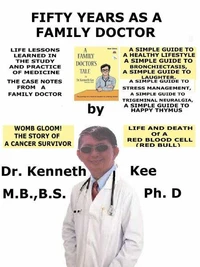
A propos de Kenneth Kee
4,49 €