SOLDES
Jusqu'à -70% sur une sélection d'articles*

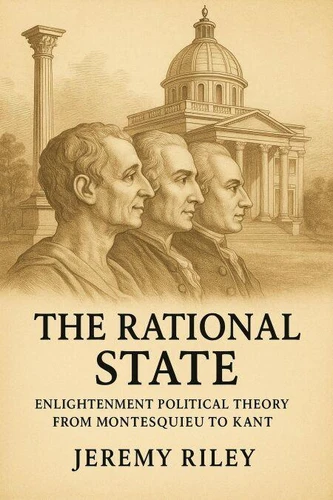
The Rational State: Enlightenment Political Theory from Montesquieu to Kant
Par :Formats :
Disponible dans votre compte client Decitre ou Furet du Nord dès validation de votre commande. Le format ePub est :
- Compatible avec une lecture sur My Vivlio (smartphone, tablette, ordinateur)
- Compatible avec une lecture sur liseuses Vivlio
- Pour les liseuses autres que Vivlio, vous devez utiliser le logiciel Adobe Digital Edition. Non compatible avec la lecture sur les liseuses Kindle, Remarkable et Sony
 , qui est-ce ?
Notre partenaire de plateforme de lecture numérique où vous retrouverez l'ensemble de vos ebooks gratuitement
Pour en savoir plus sur nos ebooks, consultez notre aide en ligne ici
C'est si simple ! Lisez votre ebook avec l'app Vivlio sur votre tablette, mobile ou ordinateur :

- FormatePub
- ISBN8230962090
- EAN9798230962090
- Date de parution20/04/2025
- Protection num.pas de protection
- Infos supplémentairesepub
- ÉditeurIndependently Published
Résumé
The Rational State offers a comprehensive exploration of the evolution of political thought from the height of the Enlightenment, tracing the intellectual journey from Montesquieu's pioneering ideas on political liberty and the separation of powers to Immanuel Kant's philosophical contributions to the principles of democracy and human rights. In this work, Jeremy Riley delves deeply into the political theories that shaped modern democratic governance, examining how each philosopher's insights on liberty, equality, and the nature of the state impacted the political landscape of their time and continue to resonate in the modern world.
Montesquieu's The Spirit of the Laws laid the groundwork for understanding the necessity of balancing power within a state to protect individual freedoms. Rousseau's radical ideas on popular sovereignty and the general will challenged traditional political structures and emphasized the central role of the people in shaping their government. Locke's theories of natural rights and consent of the governed influenced not only the American and French Revolutions but the very development of modern liberalism.
Moving toward Kant, Riley explores how his moral philosophy and the concept of perpetual peace framed the connection between personal freedom and political order, while also addressing the role of reason in government. Kant's contributions offer a culmination of the Enlightenment's ideals, giving rise to a vision of a rational state governed by principles of universal justice and human dignity. Through careful analysis of these foundational texts, The Rational State presents an in-depth examination of how Enlightenment thinkers conceptualized the state as a rational institution, shaped by reason, guided by laws, and constructed to protect the rights and freedoms of the individual.
With a thorough understanding of historical context, Riley's work challenges readers to consider how these Enlightenment theories continue to influence modern political structures and the pursuit of justice in today's globalized world.
Montesquieu's The Spirit of the Laws laid the groundwork for understanding the necessity of balancing power within a state to protect individual freedoms. Rousseau's radical ideas on popular sovereignty and the general will challenged traditional political structures and emphasized the central role of the people in shaping their government. Locke's theories of natural rights and consent of the governed influenced not only the American and French Revolutions but the very development of modern liberalism.
Moving toward Kant, Riley explores how his moral philosophy and the concept of perpetual peace framed the connection between personal freedom and political order, while also addressing the role of reason in government. Kant's contributions offer a culmination of the Enlightenment's ideals, giving rise to a vision of a rational state governed by principles of universal justice and human dignity. Through careful analysis of these foundational texts, The Rational State presents an in-depth examination of how Enlightenment thinkers conceptualized the state as a rational institution, shaped by reason, guided by laws, and constructed to protect the rights and freedoms of the individual.
With a thorough understanding of historical context, Riley's work challenges readers to consider how these Enlightenment theories continue to influence modern political structures and the pursuit of justice in today's globalized world.
A propos de Jeremy Riley

2,99 €