SOLDES
Jusqu'à -70% sur une sélection d'articles*

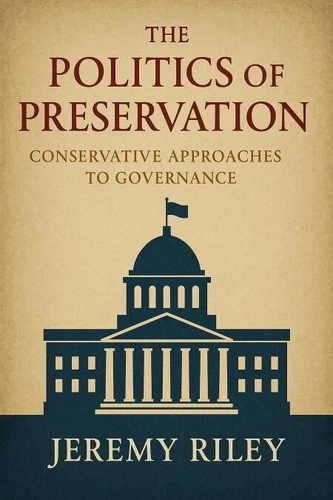
The Politics of Preservation: Conservative Approaches to Governance
Par :Formats :
Disponible dans votre compte client Decitre ou Furet du Nord dès validation de votre commande. Le format ePub est :
- Compatible avec une lecture sur My Vivlio (smartphone, tablette, ordinateur)
- Compatible avec une lecture sur liseuses Vivlio
- Pour les liseuses autres que Vivlio, vous devez utiliser le logiciel Adobe Digital Edition. Non compatible avec la lecture sur les liseuses Kindle, Remarkable et Sony
 , qui est-ce ?
Notre partenaire de plateforme de lecture numérique où vous retrouverez l'ensemble de vos ebooks gratuitement
Pour en savoir plus sur nos ebooks, consultez notre aide en ligne ici
C'est si simple ! Lisez votre ebook avec l'app Vivlio sur votre tablette, mobile ou ordinateur :

- FormatePub
- ISBN8227965578
- EAN9798227965578
- Date de parution21/04/2025
- Protection num.pas de protection
- Infos supplémentairesepub
- ÉditeurBig Dog Books, LLC
Résumé
"The Politics of Preservation: Conservative Approaches to Governance" by Jeremy Riley explores the conservative perspective on governance, focusing on the principles of preservation, stability, and order within society. The book delves into the historical, philosophical, and practical underpinnings of conservative thought, examining how conservatives approach key issues such as national identity, government power, social responsibility, and economic management.
Through a detailed analysis of classical and modern conservative thinkers, from Edmund Burke to contemporary figures, the book outlines how conservative ideas have shaped policies and institutions that seek to preserve tradition, safeguard individual liberties, and maintain social cohesion. It offers a balanced exploration of conservative solutions to the challenges posed by technological change, democracy, and global politics, asserting that conservatism's commitment to gradual reform and respect for established institutions remains crucial to the stability and prosperity of modern societies.
Through a detailed analysis of classical and modern conservative thinkers, from Edmund Burke to contemporary figures, the book outlines how conservative ideas have shaped policies and institutions that seek to preserve tradition, safeguard individual liberties, and maintain social cohesion. It offers a balanced exploration of conservative solutions to the challenges posed by technological change, democracy, and global politics, asserting that conservatism's commitment to gradual reform and respect for established institutions remains crucial to the stability and prosperity of modern societies.
A propos de Jeremy Riley


2,99 €