SOLDES
Jusqu'à -70% sur une sélection d'articles*

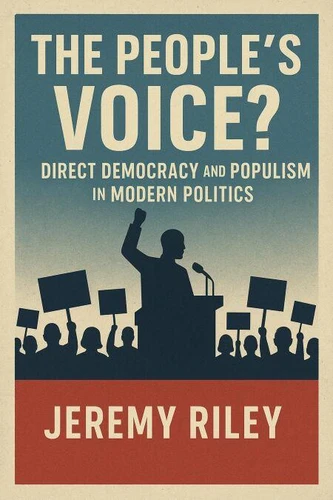
The People’s Voice? Direct Democracy and Populism in Modern Politics
Par :Formats :
Disponible dans votre compte client Decitre ou Furet du Nord dès validation de votre commande. Le format ePub est :
- Compatible avec une lecture sur My Vivlio (smartphone, tablette, ordinateur)
- Compatible avec une lecture sur liseuses Vivlio
- Pour les liseuses autres que Vivlio, vous devez utiliser le logiciel Adobe Digital Edition. Non compatible avec la lecture sur les liseuses Kindle, Remarkable et Sony
 , qui est-ce ?
Notre partenaire de plateforme de lecture numérique où vous retrouverez l'ensemble de vos ebooks gratuitement
Pour en savoir plus sur nos ebooks, consultez notre aide en ligne ici
C'est si simple ! Lisez votre ebook avec l'app Vivlio sur votre tablette, mobile ou ordinateur :

- FormatePub
- ISBN8230236092
- EAN9798230236092
- Date de parution20/04/2025
- Protection num.pas de protection
- Infos supplémentairesepub
- ÉditeurIndependently Published
Résumé
In The People's Voice? Direct Democracy and Populism in Modern Politics, Jeremy Riley explores the complex relationship between the rise of populist movements and the growing demand for direct democracy in the 21st century. The book examines how populist leaders around the world, from Donald Trump in the United States to Viktor Orbán in Hungary, have harnessed populist rhetoric to bypass traditional democratic institutions and present themselves as the true voice of the people.
Through this lens, Riley critically assesses the promises and pitfalls of direct democracy, questioning whether it truly serves the interests of the people or merely empowers charismatic leaders who ultimately undermine democratic norms. Riley traces the historical roots of populism, from its origins in 19th-century agrarian movements to its modern manifestation in reaction to globalization, economic inequality, and the perceived failures of established political systems.
The book delves into how populist leaders utilize direct democracy mechanisms-such as referendums, plebiscites, and initiatives-to consolidate power while framing themselves as defenders of the will of the people. However, it also raises essential questions about the risks of majoritarian rule and the potential for populist movements to erode minority rights, weaken checks and balances, and destabilize democratic institutions.
The People's Voice? offers a thought-provoking analysis of how populism, under the guise of political renewal, can simultaneously pose a threat to liberal democracy. It challenges readers to reconsider the notion of political legitimacy, examining whether populism's call for direct engagement with the people leads to the strengthening or weakening of democratic practices, and whether the "voice of the people" truly reflects the common good or merely the agenda of the populist leader.
Through this lens, Riley critically assesses the promises and pitfalls of direct democracy, questioning whether it truly serves the interests of the people or merely empowers charismatic leaders who ultimately undermine democratic norms. Riley traces the historical roots of populism, from its origins in 19th-century agrarian movements to its modern manifestation in reaction to globalization, economic inequality, and the perceived failures of established political systems.
The book delves into how populist leaders utilize direct democracy mechanisms-such as referendums, plebiscites, and initiatives-to consolidate power while framing themselves as defenders of the will of the people. However, it also raises essential questions about the risks of majoritarian rule and the potential for populist movements to erode minority rights, weaken checks and balances, and destabilize democratic institutions.
The People's Voice? offers a thought-provoking analysis of how populism, under the guise of political renewal, can simultaneously pose a threat to liberal democracy. It challenges readers to reconsider the notion of political legitimacy, examining whether populism's call for direct engagement with the people leads to the strengthening or weakening of democratic practices, and whether the "voice of the people" truly reflects the common good or merely the agenda of the populist leader.
A propos de Jeremy Riley
2,99 €